
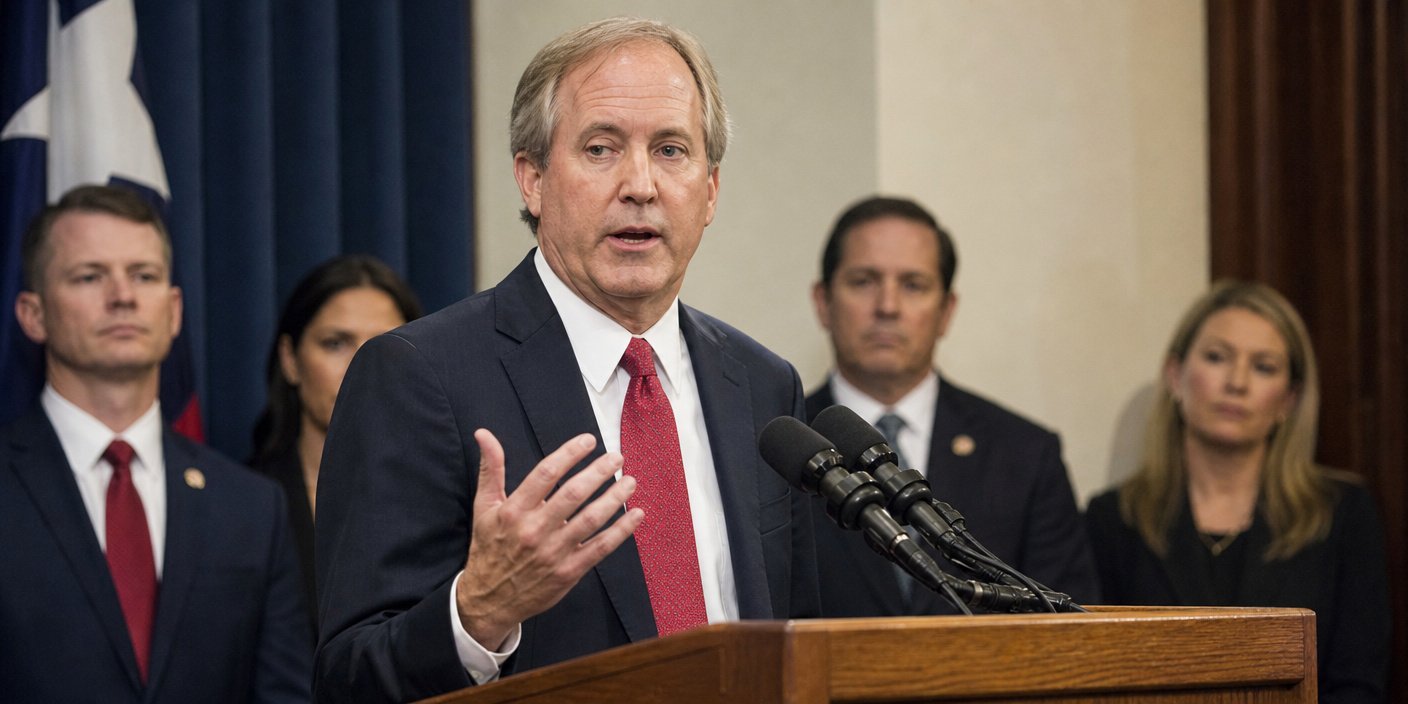
Paxton Clinches $773M Albertsons Opioid Settlement
Texas Attorney General Ken Paxton has successfully finalized a sweeping $773 million multistate settlement with Albertsons Companies, representing a decisive development in the ongoing legal campaign to hold retail pharmacy chains accountable for their role in the national opioid epidemic. This agreement, the result of a rigorous coalition effort led by Texas, serves as a significant infusion of capital into state-led opioid abatement and recovery programs, marking a crucial step toward addressing the systemic health crisis that has devastated communities for over a decade.
Key Highlights
- Landmark Settlement: The $773 million agreement addresses allegations that Albertsons failed to maintain proper controls over the dispensing of prescription opioids, contributing to widespread substance abuse.
- Multistate Coalition: The legal effort was spearheaded by Attorney General Ken Paxton, demonstrating the power of coordinated state-level litigation in holding major corporations responsible.
- Earmarked for Abatement: The funds are strictly designated for national opioid abatement and remediation, specifically targeting treatment programs, educational initiatives, and overdose prevention infrastructure.
- Pharmacy Accountability: The settlement solidifies a precedent where retail pharmacies are held to a ‘gatekeeper’ standard, responsible for ensuring that dispensed controlled substances are used for legitimate medical purposes.
The Legal Architecture of the Albertsons Settlement
The opioid epidemic, often characterized by the aggressive marketing of manufacturers, also relied heavily on the distribution networks of retail pharmacies. In this legal action, the coalition of states led by Texas Attorney General Ken Paxton focused on the responsibility of pharmacies like Albertsons to monitor and report suspicious orders of controlled substances. The $773 million settlement is not merely a financial transaction but a legal acknowledgement of the role that pharmacy dispensing practices played in the acceleration of the opioid crisis.
Dispensing Responsibility and Corporate Oversight
Under the Controlled Substances Act, pharmacies have a legal obligation to ensure that prescription opioids are dispensed only for legitimate medical purposes. For years, critics and state officials argued that retail chains incentivized volume over vigilance. This settlement addresses the failure of these organizations to implement robust compliance programs. By mandating financial accountability, the settlement forces a reevaluation of internal oversight protocols within major retail pharmacy chains. This sets a high-water mark for compliance expectations, signaling to the industry that legal liabilities for negligent dispensing are now a standard feature of the risk landscape.
The Mechanics of the Opioid Abatement Fund
The dispersal of the $773 million is structured to ensure direct utility at the community level. Rather than entering state general funds, these resources are specifically partitioned for opioid abatement. This includes the expansion of Medication-Assisted Treatment (MAT) facilities, the procurement of naloxone, and the bolstering of public health surveillance systems. For local governments, this financial support is critical; many municipalities were forced to divert tax revenue toward emergency responses during the height of the crisis. These funds act as a reimbursement for those past expenditures and a preventive investment for future community health resilience.
Texas Leadership in Multistate Coalitions
Attorney General Ken Paxton’s leadership in this settlement underscores a broader trend in state-level legal strategy: the formation of large-scale multistate coalitions to tackle national corporate malfeasance. By consolidating the legal resources of numerous states, Paxton’s office created a unified front that effectively neutralized the ability of a large entity like Albertsons to leverage fragmented state laws. This ‘united front’ approach has become the blueprint for holding powerful entities liable, providing a playbook for future consumer protection and public health litigation.
Future Implications for Pharmacy Litigation
The Albertsons settlement acts as a bookend to a significant chapter in opioid litigation, yet it also opens a new discussion regarding future regulatory oversight. Experts suggest that this settlement will influence the ‘standard of care’ for pharmacy chains nationwide. As state legislatures look to codify these settlement terms into statutory requirements, the barrier to entry for negligence claims against pharmacists is likely to lower. Consequently, the pharmacy industry is now undergoing a radical transformation in its compliance culture, shifting from a reactive stance to a proactive, technologically-enabled monitoring system designed to flag prescription abuse in real-time.
FAQ: People Also Ask
1. How is the $773 million settlement amount calculated?
The settlement figure represents a negotiated resolution between the multistate coalition and Albertsons. It considers the projected cost of opioid abatement efforts, the number of prescriptions dispensed, and the litigation risk assumed by the company. It functions as a global settlement to avoid prolonged, costly trial proceedings.
2. Who is eligible to receive these funds?
The funds are directed primarily to state and local governments. These entities are responsible for managing and allocating the money into qualified opioid abatement programs, such as treatment centers, addiction education, and emergency services.
3. Does this settlement admit wrongdoing by Albertsons?
Settlement agreements in high-stakes civil litigation often contain clauses where the defendant denies liability. Albertsons has entered this agreement to resolve the claims without a formal admission of wrongdoing, though the financial scale of the settlement serves as a functional admission of the risks and potential liability the company faced in court.


Related Posts


