
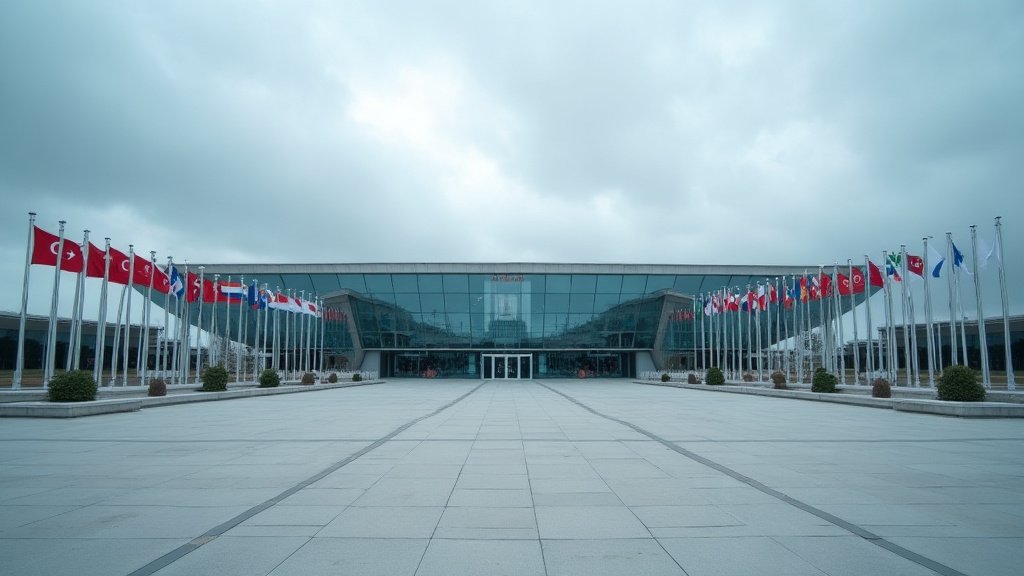
COP31 Stalls: Global Climate Talks Fail on Fossil Fuels
The COP31 U.N. Climate Summit in Antalya, Turkey, has concluded in a profound diplomatic deadlock, with negotiators failing to reach a consensus on the critical language regarding the future of fossil fuels. The summit, which ran two days past its scheduled conclusion, ended without a definitive agreement on how to address the primary driver of global temperature increases. This failure marks a significant setback for international climate policy, leaving major questions about the world’s collective commitment to limiting warming to 1.5 degrees Celsius as the process hits a new, unprecedented wall.
Key Highlights
- Deadlock on Language: Nations remained unable to bridge the divide between proposals to ‘phase out’ fossil fuels versus ‘phase down’ consumption, effectively neutralizing the final outcome document.
- Antalya Summit Overrun: The proceedings concluded 48 hours behind schedule, reflecting the intense and often acrimonious nature of the late-night sessions.
- Global North vs. South: Tensions persisted regarding the responsibility of historic emitters versus the energy needs of developing nations, resulting in a total impasse.
- Market Uncertainty: The lack of clear regulatory language has sparked immediate volatility in global energy sector projections and long-term investment strategies.
The Anatomy of a Diplomatic Failure
The Lingering ‘Phase-Out’ Paradox
At the heart of the COP31 collapse was the semantic battle over the definition of energy transition. For the past decade, climate summits have functioned as a slow-moving evolution of terminology, shifting from ‘reducing emissions’ to ‘phase down’ and, finally, to the contentious ‘phase out.’ In Antalya, the attempt to solidify a binding commitment to a ‘phase out’ of coal, oil, and gas met a hard wall of resistance from petrostates and emerging economies alike. The failure to secure this language isn’t merely bureaucratic; it represents a fundamental fracture in the global consensus that has been carefully constructed since the 2015 Paris Agreement.
The proponents of immediate, drastic action argued that without specific language binding nations to the elimination of fossil fuel dependence, the summit would lose its mandate. Conversely, the opposition—led by a coalition of energy-exporting nations—insisted that such language failed to account for the ‘just transition’ needs of the Global South, where rapid industrialization remains a critical pathway to poverty alleviation. This binary opposition proved impossible to reconcile, even with an extra 48 hours of emergency mediation sessions that stretched deep into the final weekend in Antalya.
The Antalya Stalemate and Geopolitical Fissures
The choice of Antalya, Turkey, as the host city carried symbolic weight, intended to bridge the divide between European interests and the surging energy needs of the Middle East and Central Asia. However, the venue ultimately highlighted the very fractures it was meant to mend. Observers on the ground noted a palpable shift in the atmosphere midway through the second week; the usual constructive tension that drives compromise at U.N. summits gave way to open frustration.
Delegations from the European Union pushed aggressively for a strict timetable for the cessation of new fossil fuel exploration, a move that was immediately rebuffed by a bloc of nations currently heavily invested in natural gas infrastructure projects. This deadlock prevented any substantive progress on the subsidiary issues that were dependent on the ‘fossil fuel language’ clause, such as the climate finance replenishment funds and the implementation of national carbon pricing frameworks. Consequently, the COP31 ‘final declaration’ was watered down to a procedural document, lacking the binding ambition that scientists and activists had labeled essential.
Economic Repercussions and Future Predictions
The immediate aftermath of the COP31 failure is already rippling through global financial markets. Institutional investors, who had been looking to the Antalya summit for a clear signal on the regulatory future of the energy sector, are now facing increased uncertainty. When global policy lacks a consensus-driven ‘end date’ for fossil fuel reliance, capital markets tend to default to the status quo, potentially extending the lifespan of carbon-intensive assets by years.
Analysts predict that this failure will force individual nations to pursue unilateral or regional climate policies rather than relying on a global U.N. framework. We are likely to see the emergence of ‘climate clubs’—smaller, more cohesive groups of nations that adopt higher standards for emissions regardless of the U.N. deadlock. While this may accelerate progress in specific regions, it risks fragmenting the global response, making it increasingly difficult to enforce accountability on a planetary scale.
Looking toward COP32, the pressure on the presidency will be immense. The failure at Antalya has effectively reset the clock on ‘fossil fuel language,’ forcing the next summit to address the same fundamental question that has now derailed two of the last three annual climate gatherings. Whether the international community can recover its momentum will depend on whether key influencers—specifically the G20 nations—can reach a pre-negotiated settlement on energy before arriving at the next host city.
FAQ: People Also Ask
Q: Why was the ‘fossil fuel language’ the primary sticking point at COP31?
A: The language used in the final agreement sets the precedent for national energy policies. A ‘phase-out’ mandate would force countries to stop issuing new oil and gas exploration licenses, while ‘phase-down’ is seen by critics as a loophole that allows fossil fuel consumption to continue indefinitely.
Q: How does a two-day delay in a U.N. summit affect the outcome?
A: While summits often run late, a two-day extension usually indicates a ‘make or break’ situation. In the case of COP31, the extra time was used to attempt a final compromise; the fact that it failed despite the additional 48 hours signals a deep, structural divide that could not be overcome by additional debate.
Q: What is the significance of the failure for the 1.5-degree target?
A: The 1.5-degree target requires a rapid, systemic shift away from fossil fuels. By failing to agree on even the terminology for this shift, the U.N. process has left a gap in the roadmap required to meet that target, increasing the likelihood that global temperatures will exceed 1.5 degrees Celsius sooner than expected.
Q: Will this collapse affect global energy prices?
A: In the short term, the market remains volatile. The lack of a clear, aggressive transition plan keeps oil and gas in high demand for longer periods, which can prevent the expected price drops associated with a massive shift to renewables, while also creating uncertainty for long-term investors in green energy.

Related Posts