Kuwait Drone Attack Kills Two Italians: A Diplomatic Powderkeg
The regional stability of the Persian Gulf faces a severe test following a precision drone strike in Kuwait that resulted in the deaths of two Italian defense technicians. The individuals, who were reportedly engaged in the maintenance and calibration of advanced air defense systems, were killed in what is being described as a targeted tactical operation. This incident has rapidly escalated, placing the Italian government, the Kuwaiti state, and the Iranian leadership into a high-stakes diplomatic confrontation that threatens to reshape security alliances in the Middle East.
Key Highlights
- Fatalities: Two Italian national defense technicians were killed while operating in a secure facility in Kuwait.
- The Strike: The attack was carried out by an unidentified drone, raising questions about security protocols for critical infrastructure in the region.
- Diplomatic Stance: The Italian government has publicly blamed Iran for the strike, citing intelligence evidence linking the drone’s origin to Iranian-backed networks.
- Tehran’s Denial: The Iranian Foreign Ministry has categorically denied involvement, labeling the incident a “false flag” operation designed to sabotage diplomatic relations.
- Security Implications: The event has prompted an immediate review of foreign technician safety protocols across Gulf Cooperation Council (GCC) states.
The Kuwait Incident: Escalating Geopolitical Tensions
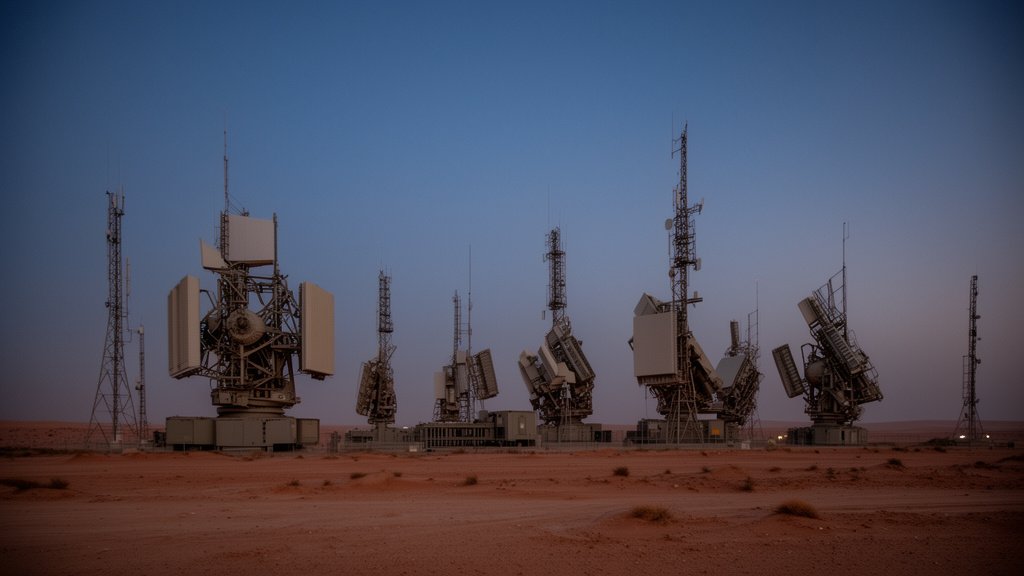
The fatal attack, which occurred in the early hours at a fortified facility in Kuwait, has sent shockwaves through the international intelligence community. The two victims, whose identities are being withheld pending notification of family, were part of a specialized technical team contracted to service integrated air defense systems. These systems are critical for the regional defense architecture, designed to detect and neutralize incoming aerial threats. The fact that the attack successfully bypassed these very defenses—or targeted the technicians while they were in the process of upgrading them—suggests a high degree of operational intelligence and intent.
Italy, a key NATO member with significant strategic interests in the Gulf, has moved swiftly. Within hours of the incident, officials in Rome signaled that they possess forensic evidence suggesting the drone was of Iranian design and that the flight path originated from contested territorial waters. For the Italian government, this represents not just a loss of personnel, but a direct affront to its sovereign interests and its role as a strategic partner in regional security.
The Anatomy of the Accusation
Rome’s assertion of Iranian responsibility is based on sophisticated telemetry data. Defense analysts suggest that the drone utilized in the attack possessed specific flight-signature characteristics consistent with advanced loitering munitions known to be in the possession of the Islamic Revolutionary Guard Corps (IRGC) and its proxy groups. This attribution has added a layer of volatility to an already fraught relationship between Rome and Tehran. The Italian Ministry of Foreign Affairs has summoned the Iranian ambassador, signaling a severe downgrade in diplomatic relations that could have downstream effects on trade and energy agreements.
Conversely, Tehran’s response has been one of practiced defiance. By labeling the strike a “false flag” operation, Iran is attempting to shift the narrative, suggesting that third-party actors seeking to provoke a conflict between Italy and Iran orchestrated the incident. This strategy of deflection is a hallmark of regional proxy warfare, where ambiguity is often used to maintain plausible deniability while advancing strategic objectives.
Analyzing the “False Flag” Allegation
In the context of modern asymmetrical warfare, the term “false flag” is frequently deployed to obfuscate culpability. However, the technical nature of the attack complicates this narrative. To mount a drone strike of this precision in a high-security zone requires significant logistical capability—intelligence gathering, launch site security, and command-and-control infrastructure. Security analysts are currently debating whether such an operation could be executed by a non-state actor or if it necessitates state-level resources. If the incident is indeed a false flag, it suggests an entity with deep knowledge of Italian technical movements within Kuwait, pointing toward a sophisticated intelligence breach or an inside job.
Regional Security and Energy Markets
The ripple effects of this incident extend far beyond the bilateral dispute between Italy and Iran. Kuwait, a pivotal player in global energy markets, relies on international partnerships to maintain its infrastructure. The vulnerability exposed by the drone attack has caused nervousness among other GCC states, who are currently reassessing the security of their own foreign technical consultants. If the Gulf region becomes perceived as an environment where foreign technicians are targeted as proxy casualties, the cost of defense cooperation will skyrocket. Insurance premiums for technical personnel, the withdrawal of specialized teams, and the potential delay of critical defense upgrades could collectively undermine the regional defense umbrella at a time when tensions in the Gulf are already near a breaking point.
Furthermore, this incident underscores the changing nature of drone warfare. The democratization of advanced drone technology means that non-state actors and smaller regional powers can inflict strategic damage once reserved for superpowers. Italy’s response will likely involve a push for enhanced EU-led maritime and aerial security frameworks to monitor the Persian Gulf, a move that could be met with resistance from regional actors wary of increased Western military presence.
FAQ: People Also Ask
1. Why were Italian technicians in Kuwait during a period of high tension?
Italy and Kuwait maintain long-standing defense cooperation agreements. Italian technicians are frequently contracted to provide maintenance, training, and upgrades for complex air defense systems, which are essential for Kuwait’s national security against regional aerial threats.
2. What evidence supports the claim of Iranian involvement?
According to Italian government sources, the evidence includes drone wreckage recovery, flight path telemetry data, and technical specifications of the munition found at the site. These indicators have been matched by intelligence analysts to systems previously identified as Iranian-made or used by IRGC-affiliated proxies.
3. What is a ‘false flag’ operation in this context?
Tehran is using the term to imply that the attack was staged by an adversary of Iran to damage its international standing and incite hostility between Tehran and Rome. It is a strategic denial tactic used to shift blame away from the alleged perpetrator.
4. Will this impact Italian-Iranian trade relations?
It is highly probable. The severity of the incident—the loss of life of state-affiliated personnel—usually results in economic sanctions, the suspension of diplomatic cooperation, and a significant cooling of trade relations. Italy is likely to align its response with broader EU and NATO directives, further isolating Iranian diplomatic and economic channels.

Related Posts