Trump Reinstates ‘Department of War’ Title, Aiming to Project Strength and Readiness
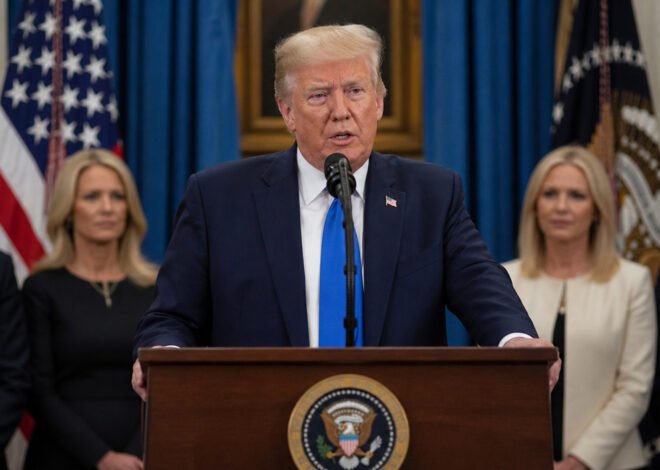
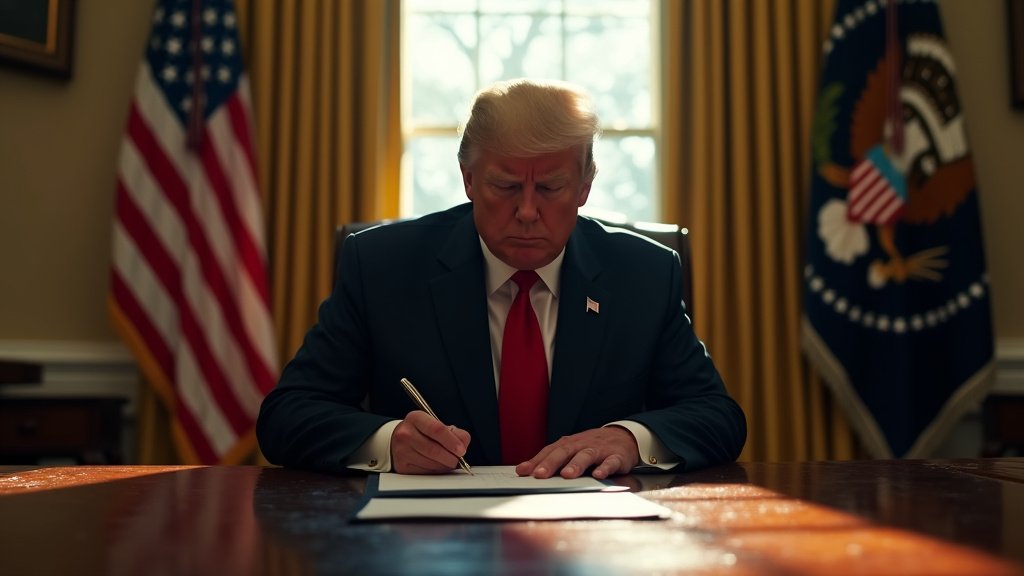
In a significant move that evokes historical precedent, President Donald J. Trump has signed an executive order establishing the “Department of War” as a secondary title for the United States Department of Defense. This recent directive, signed on September 5, 2025, authorizes Defense Secretary Pete Hegseth and other departmental officials to adopt titles such as “Secretary of War” and “Department of War” in public communications, official documents, and ceremonial contexts. The White House has stated that restoring this historic nomenclature is intended to sharpen the department’s focus on national interests and signal America’s readiness to engage in conflict.
A Return to Historical Roots
The name “War Department” was the official designation for the U.S. military’s executive branch for over 150 years, from its establishment in 1789 until it was reorganized following World War II. This original War Department oversaw the nation’s military through pivotal conflicts, including the War of 1812, World War I, and World War II. The transition to the “Department of Defense” occurred in 1947 as part of broader post-war reforms aimed at unifying the military services under a single Cabinet-level department, which was then officially named the National Military Establishment before being renamed the Department of Defense in 1949.
President Trump has previously expressed dissatisfaction with the current name, suggesting it is “too defensive” and has contributed to prolonged conflicts, contrasting it with what he views as a more decisive and victorious history under the “Department of War” moniker. In remarks following the signing, Trump asserted that “we won the first world war, we won the second world war, we won everything before that and in between,” attributing these successes partly to the historical name. Defense Secretary Pete Hegseth echoed this sentiment, suggesting that the name “Department of War” conveys a stronger message of readiness and resolve compared to “Department of Defense,” which he stated emphasizes only defensive capabilities. Hegseth further commented that the name change is “not just about renaming, it’s about restoring; words matter,” aiming to instill a “warrior ethos” and a focus on decisive victory.
Implications of the Secondary Title
The executive order mandates that all executive agencies and departments recognize and accommodate these new secondary titles in their internal and external communications. Furthermore, it directs Secretary Hegseth to recommend necessary executive and legislative actions to permanently rename the department. While the executive order allows for the immediate use of the “Department of War” and “Secretary of War” titles, the legal and formal renaming of the agency would ultimately require an act of Congress, as executive orders cannot unilaterally override federal law. This move has already resulted in symbolic changes, such as the Pentagon’s main website, defense.gov, redirecting visitors to war.gov.
National and International Reactions
The news has generated varied reactions. Supporters argue that the name “Department of War” more accurately reflects the military’s mission to project strength and prepare for potential conflicts, aligning with a “peace through strength” foreign policy. They believe it signals a clear intent to achieve victory and avoid protracted engagements. Conversely, critics, including some lawmakers and historians, have voiced concerns. Senator Jack Reed, a veteran and ranking Democrat on the Senate Armed Services Committee, characterized the move as a “superficial attempt to get some attention” and a “multi-million dollar gesture without meaning,” questioning its impact on the military’s effectiveness or the nation’s foreign policy messaging. Some observers suggest the rebranding could be interpreted by adversaries as a more aggressive stance, potentially escalating international tensions, while proponents maintain it is a necessary signal of resolve.
This national news story highlights a deliberate effort to redefine the public perception and internal ethos of the U.S. military by re-emphasizing historical nomenclature, a move intended to project a formidable image on the global stage. The process for a permanent legislative change is now underway, with the implications of this symbolic and administrative shift expected to unfold in the coming months and years.


Related Posts