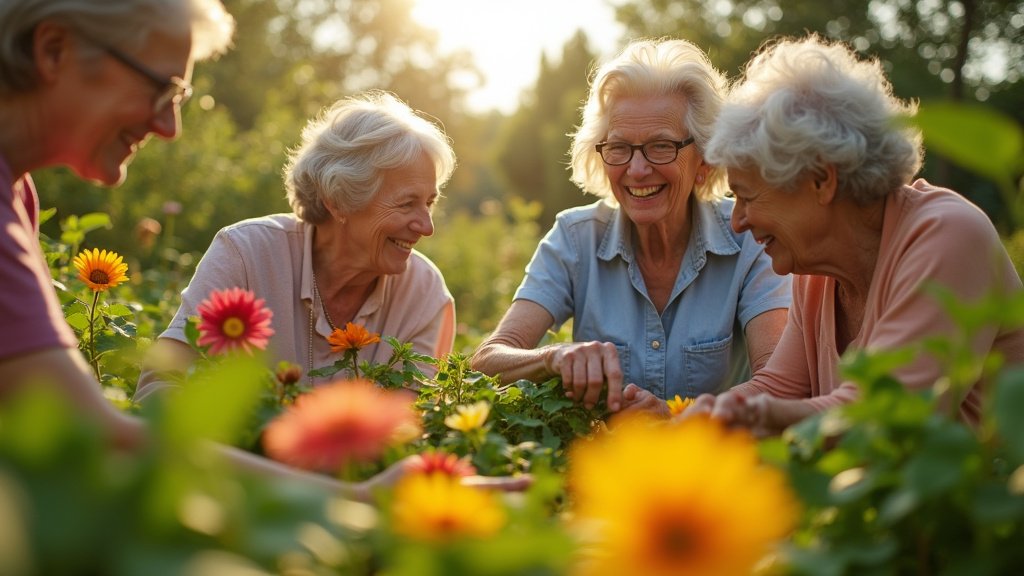
The Power to Thrive: Recent Findings Reveal Older Adults’ Remarkable Capacity for Health and Emotional Recovery
The Power to Thrive: Recent Findings Reveal Older Adults’ Remarkable Capacity for Health and Emotional Recovery
A significant body of recent research is challenging long-held notions about aging, suggesting that older adults possess a profound and often underestimated capacity to rebound from health and emotional challenges. Far from being a period of inevitable decline, later life can be a time of renewed vitality and well-being, with many individuals demonstrating a remarkable ability to bounce back from adversity. This hopeful news comes from various studies, including groundbreaking work from the University of Toronto, which highlights that recovery is not only possible but common.
The Science of Resilience: Bouncing Back from Poor Well-being
A pivotal Canadian study conducted by researchers at the University of Toronto, utilizing data from the Canadian Longitudinal Study on Aging, revealed that nearly one in four older adults (aged 60 and over) who reported poor well-being at the outset of the study managed to regain optimal well-being within three years. This optimal state was defined not merely by the absence of severe conditions interfering with daily life, but also by high self-reported levels of physical health, mental well-being, happiness, and overall life satisfaction.
The study identified several key factors that significantly predicted this recovery. Individuals who started with strong psychological and emotional wellness were over five times more likely to achieve optimal well-being. Beyond these internal strengths, lifestyle choices also played a critical role. Maintaining a healthy body weight, engaging in regular physical activity, avoiding insomnia, not smoking, and actively participating in social activities were all strongly associated with a greater likelihood of recovery.
Beyond Survival: The Multifaceted Nature of Positive Aging
The concept of “positive aging” or “successful aging” is gaining traction, moving beyond a simple absence of disease to encompass adaptation, growth, and continued engagement with life. Research from institutions like Harvard University suggests that a positive attitude towards aging itself can lead to longer and healthier lives. Adults over 50 who reported higher satisfaction with their aging process experienced a 43% lower risk of dying from any cause over a four-year period compared to those with less positive views.
This positive outlook is linked to a cascade of benefits, including a lower risk of chronic conditions such as diabetes, stroke, cancer, and heart disease, as well as better cognitive functioning. People with positive perceptions of aging are more likely to engage in healthy behaviors like physical activity, experience less loneliness and depression, and maintain a greater sense of purpose. This suggests that one’s mindset about aging is not merely a passive observation but an active contributor to health outcomes.
Pillars of Recovery and Well-being
The research consistently points to several interconnected pillars that support older adults in recovering from challenges and maintaining high levels of wellness. These pillars include psychological strength, healthy lifestyle choices, and robust social connections.
The Mind-Body Connection: Lifestyle as a Foundation
Psychological and emotional well-being are increasingly recognized not just as indicators of mental health but as crucial determinants of physical health. Positive affect, happiness, and life satisfaction are predictive of lower morbidity and increased longevity. Conversely, mental health challenges such as depression and anxiety are common among older adults and can be exacerbated by chronic pain, functional limitations, and sensory impairments. Addressing these issues is vital, as they are often underrecognized and undertreated due to stigma or being mistaken for normal aging.
Lifestyle factors act as the foundation upon which this well-being is built. Beyond the factors identified in the Toronto study—healthy weight, physical activity, good sleep, and avoiding smoking—a balanced diet is also crucial. The proactive management of chronic conditions and engagement in mentally stimulating activities further bolster resilience.
The Social Fabric: Combating Isolation Through Connection
Social connection stands out as a critical element for both mental and physical wellness in older age. Social isolation and loneliness are significant risk factors, increasing the likelihood of dementia, heart disease, stroke, depression, and even mortality. The loss of peers and shifts in social roles can contribute to these feelings, but research highlights that the quality of relationships can increase with age.
Engaging in meaningful social activities, maintaining relationships with family and friends, and participating in community groups provide emotional support, foster a sense of belonging, and reduce feelings of isolation. These connections act as a buffer against stress and contribute to a more fulfilling life, reinforcing resilience and aiding in recovery from setbacks.
Navigating Challenges with Enhanced Capacity
While challenges such as chronic illness, pain, reduced mobility, and cognitive decline are realities for many older adults, the emerging understanding is that these are not insurmountable barriers to well-being. Factors like ageism, which can negatively impact health and lifespan, can be countered by cultivating positive views of aging. Furthermore, supportive physical and social environments play a role in enabling older adults to do what is important to them, reinforcing their capacity for adaptation and growth.
A New Perspective on Aging
This wealth of recent news and research paints an optimistic picture of aging. It underscores that the capacity for recovery, resilience, and thriving is not limited by chronological age. By fostering psychological and emotional strengths, embracing healthy lifestyles, and nurturing social connections, older adults can indeed bounce back from health and emotional challenges, living more satisfying, happy, and meaningful lives. The potential for positive transformation and continued well-being in later years is a powerful message for individuals, families, and society as a whole.


Related Posts