Trump-Brokered Gaza Ceasefire Takes Hold: Hostage Release Underway Amid Tenuous Peace Efforts
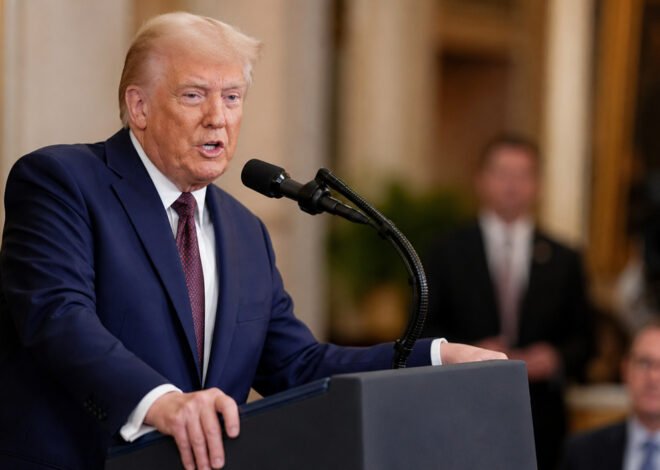
A significant Gaza ceasefire has officially taken effect, marking a critical juncture in the long-standing conflict. The agreement, brokered through extensive diplomatic efforts led by U.S. President Donald Trump, facilitates the release of Israeli hostages held in Gaza in exchange for Palestinian prisoners. This landmark deal, the culmination of months of negotiations, aims to usher in a period of de-escalation, humanitarian aid, and the eventual reconstruction of the war-torn enclave.
The Framework of the Ceasefire and Exchange
The comprehensive peace plan, announced by President Trump on September 29, 2025, and signed on October 9, 2025, commenced on October 10, 2025. The initial phase of this agreement centers on a phased exchange of hostages for prisoners. Under this stage, approximately 20 living Israeli hostages are to be released by Hamas, with the bodies of deceased hostages also to be returned. In return, Israel is releasing around 2,000 Palestinian prisoners, including 250 serving life sentences, and an additional 1,700 detainees held since the October 7, 2023, attacks. The deal also mandates a temporary cessation of all military operations, a withdrawal of Israeli forces from populated areas within Gaza, and a halt to reconnaissance air activity.
Key Mediators and Their Crucial Roles
This breakthrough would not have been possible without the dedicated mediation of several key international players. The United States, under President Trump’s direct leadership and the tireless work of his envoys Steve Witkoff and Jared Kushner, played a pivotal role in applying pressure and facilitating consensus between the parties. Egypt and Qatar, long-standing mediators in the region, were instrumental in bridging remaining differences and ensuring the practicalities of the exchanges and humanitarian aid flow. Turkey also emerged as a significant voice, advocating for comprehensive solutions and exerting pressure that contributed to the deal’s signing. These nations are also poised to play a role in monitoring compliance and post-war stabilization.
Background and Context to the Agreement
The current ceasefire follows a period of intense conflict that escalated dramatically after the Hamas attacks on Israel on October 7, 2023. Previous attempts at a lasting truce in late 2023 and early 2025 had collapsed, underscoring the difficulty in achieving a stable resolution. The Trump administration’s 20-point plan, which forms the basis of the current agreement, outlines not only an immediate ceasefire and hostage release but also a pathway towards demilitarization of Hamas, reconstruction of Gaza, and potentially Palestinian self-determination. The agreement represents a significant attempt to address the broader Middle Eastern crisis and move beyond the immediate conflict.
Challenges, Violations, and Fragile Truce
Despite the initial progress, the ceasefire remains precarious and has been tested by mutual accusations of violations from both Hamas and Israel. Incidents involving alleged Hamas attacks on Israeli forces and disputed claims regarding the return of hostage remains have led to renewed Israeli strikes and heightened tensions. Israel’s government, under Prime Minister Benjamin Netanyahu, has stated its intent to respond forcefully to breaches, while Hamas has denied responsibility for certain incidents and accused Israel of violating the truce. The International Committee of the Red Cross has voiced concerns over the integrity of the process, particularly regarding the handling of deceased hostages. The adherence to the truce, especially concerning the return of all hostages and the cessation of hostilities, remains a significant concern.
Humanitarian Aid and Reconstruction Efforts
A crucial component of the agreement is the significant influx of humanitarian aid into Gaza. The deal mandates the unimpeded entry of supplies, with the Rafah crossing identified as a vital artery for relief efforts. The plan includes provisions for rehabilitating infrastructure, removing rubble, and ensuring aid distribution, with the UN and other agencies playing a supervisory role. However, access and distribution have faced challenges, and the dire humanitarian situation persists, exacerbated by the prolonged conflict. The agreement also lays the groundwork for a large-scale reconstruction process, with international partners expected to contribute.
Future Outlook and Broader Implications
The Gaza peace plan aims for more than just a temporary halt to fighting. It envisions a demilitarized Gaza, a withdrawal of Israeli forces, and a framework for transitional governance by Palestinian technocrats under international supervision, potentially paving the way for Palestinian self-determination. However, significant hurdles remain, including disagreements over post-war governance, the fate of Hamas, and the full disarmament of militant groups. The success of this ambitious plan hinges on the sustained commitment of all parties, the effective oversight of international guarantors, and the resolution of ongoing disputes that threaten to derail the fragile progress. As the ceasefire holds, albeit tenuously, the international community watches closely, hoping this recent news signifies a lasting step towards peace in the region.


Related Posts