Gaza Ceasefire Takes Effect: Trump Leads Diplomatic Push Amidst Historic Regional Truce
A landmark ceasefire agreement between Israel and Hamas has taken effect in Gaza on October 10, 2025, marking a significant de-escalation after more than two years of intense conflict. This development, brokered by the United States and supported by international mediators including Qatar, Egypt, and Turkey, aims to halt the devastating war and secure the release of remaining hostages. In parallel, United States President Donald Trump is embarking on a crucial diplomatic mission to the Middle East, underscoring the intensified efforts towards regional peace.
A Fragile Peace Dawns in Gaza
The ceasefire, officially ratified by Israel’s cabinet on October 10, 2025, after a long period of negotiations, signifies the first phase of a comprehensive peace plan put forth by President Trump. The accord mandates an immediate cessation of hostilities and a partial withdrawal of Israeli forces from Gaza. Crucially, the agreement also facilitates the immediate entry of substantial humanitarian aid into the besieged enclave, a vital step towards addressing the catastrophic food insecurity and famine conditions reported in recent months.
Hostage and Prisoner Exchange: The Human Element of the Deal
A central component of the agreement involves a complex exchange of hostages and prisoners. Under the terms of the deal, Hamas has committed to releasing all remaining Israeli hostages, both living and deceased, within 72 hours of Israel’s withdrawal. In return, Israel has agreed to release approximately 250 life-sentence Palestinian prisoners and an additional 1,700 Gazans detained since the conflict began on October 7, 2023. The initial release of the final living hostages was reported by October 13, 2025. This exchange addresses the deeply human toll of the prolonged conflict.
Trump’s Diplomatic Offensive: A Summit for Peace
President Donald Trump is scheduled to arrive in the region on Sunday, October 12, 2025, to formally acknowledge the progress and engage further with regional leaders. His itinerary includes a visit to Egypt for a “official signing” ceremony related to the ceasefire agreement and a planned address to the Knesset, Israel’s parliament, a significant diplomatic engagement. The visit culminates in the Sharm El Sheikh Peace Summit on October 13, 2025, co-chaired by President Trump and Egyptian President Abdel Fattah el-Sisi, aiming to chart the path forward for lasting stability. This diplomatic push is part of a broader strategy by the Trump administration to reshape the Middle East, building on prior initiatives such as the Abraham Accords.
Background: Two Years of Devastation and Diplomatic Urgency
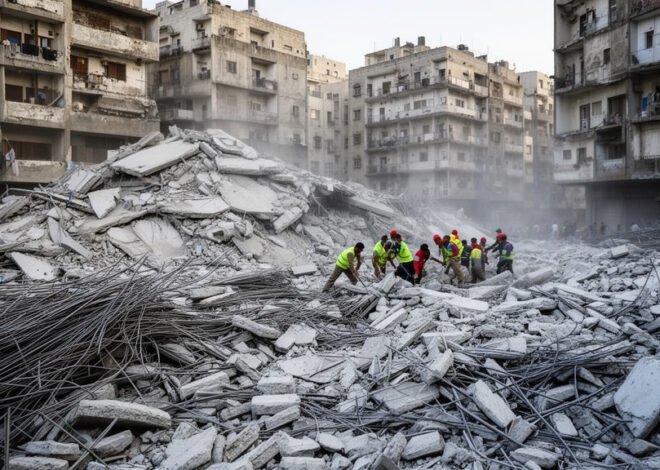
The Gaza war, which erupted on October 7, 2023, with Hamas-led attacks on Israel, has resulted in widespread destruction and a severe humanitarian crisis within Gaza. The immense pressure from international condemnation, coupled with growing domestic calls within Israel for an end to the war and the return of hostages, has propelled this diplomatic breakthrough. The current agreement is the first phase of a more extensive 20-point peace plan developed over months of intricate negotiations, involving numerous international actors.
Global Implications and the Road Ahead
This recent news from the Middle East is a significant development in global affairs, offering a glimmer of hope for de-escalation in a persistently volatile region. The successful implementation of the ceasefire and subsequent phases of the peace plan will be critical in determining the future stability of the Middle East. The broader diplomatic landscape is also marked by other recent global news, including escalating trade tensions between the US and China, highlighting a complex and dynamic international environment. The world watches to see if this hard-won truce can pave the way for lasting peace and reconstruction in Gaza.


Related Posts