Global Leaders Convene at Sharm el-Sheikh Summit to Cement Gaza Ceasefire, Chart Path to Mideast Peace
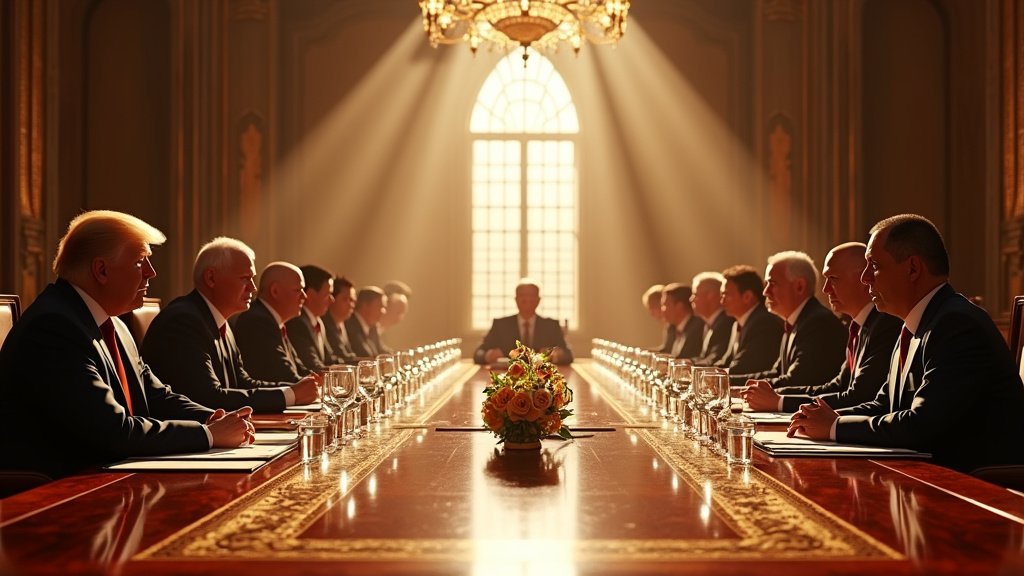
The Sharm el-Sheikh Peace Summit, a high-stakes diplomatic gathering co-chaired by U.S. President Donald Trump and Egyptian President Abdel Fattah el-Sisi, convened on October 13, 2025, in Sharm el-Sheikh, Egypt. This crucial summit served as a pivotal moment to consolidate the hard-won ceasefire in the Gaza Strip and advance a broader agenda for peace and stability across the Middle East. Bringing together leaders and representatives from over 30 nations, the summit aimed to cement the progress made towards ending the conflict that has ravaged the region.
Genesis of the Summit: A Ceasefire Accord
The Sharm el-Sheikh Summit emerged directly from an agreement signed between Israel and Hamas on October 9, 2025. This landmark accord, the result of extensive indirect negotiations mediated by Egypt, Qatar, and Turkey with significant U.S. backing, laid the groundwork for a phased peace plan. The plan, largely shaped by a 20-point proposal from President Trump, initiated a ceasefire and included a critical exchange of hostages for prisoners. The conflict itself had escalated dramatically following Hamas attacks on October 7, 2023. The initial ceasefire, implemented on October 10, 2025, facilitated the much-needed flow of humanitarian aid into Gaza and created the necessary conditions for this high-level summit.
Summit’s Mandate: Peace, Security, and Stability
The core objectives of the Sharm el-Sheikh gathering were clear: to reinforce the existing ceasefire, ensure the diligent implementation of the peace plan’s key provisions, and foster an environment of enduring regional security and stability. Discussions centered on critical issues such as the future governance of the Gaza Strip, comprehensive security arrangements, and the urgent delivery of humanitarian assistance to its beleaguered population. Participants at the summit universally lauded the instrumental role played by U.S. President Trump in brokering the ceasefire. They also recognized and applauded Egypt’s extensive mediation efforts and its pivotal role in hosting the intense negotiations that preceded the summit. The summit’s proceedings culminated in the signing of a comprehensive declaration by President Trump, President el-Sisi, Turkish President Erdoğan, and Qatar’s Emir Sheikh Tamim. This document, endorsed by numerous other attending leaders, signaled the beginning of what was heralded as a “new era of regional security and stability”.
Global Assembly and Strategic Absences
The summit’s impressive attendance featured leaders and high-ranking representatives from approximately 30 countries. Notable participants included heads of state and government from nations such as Germany, France, the United Kingdom, Italy, Spain, Jordan, Saudi Arabia, Turkey, Qatar, the United Arab Emirates, Pakistan, and Indonesia. UN Secretary-General António Guterres and European Council President Antonio Costa were also present, underscoring the international significance of the event. Significantly, neither Israel nor Hamas was invited to attend the summit itself. This strategic decision aimed to focus the gathering on solidifying international backing for the agreement and its guarantors, rather than involving the principal parties in direct discussions at this stage.
Humanitarian Efforts and Ceasefire Monitoring
A cornerstone of the pre-summit agreement was the immediate and unimpeded delivery of humanitarian aid to Gaza. Following the implementation of the ceasefire, significant efforts were made to ramp up aid operations, with various organizations distributing food parcels, essential meals, and critical medical supplies throughout the Strip. In conjunction with these humanitarian efforts, the United States deployed approximately 200 military personnel to Israel. Their mission was to establish a joint coordination center tasked with monitoring the ceasefire’s implementation. These troops would operate from within Israel, without entering Gaza, thereby providing an independent U.S. perspective on the ground situation and aiding in the verification of developments.
Prospects for Lasting Peace
The declaration signed at the Sharm el-Sheikh summit expressed a strong commitment to fostering peace, security, and prosperity for all inhabitants of the region, emphasizing the protection of human rights, security guarantees, and individual dignity. The successful implementation of the peace plan, particularly its second phase which addresses governance in Gaza, the disarmament of Hamas, and the reconstruction of the territory, will necessitate sustained international cooperation and meticulous negotiation. While this recent summit marks a significant stride towards resolving one of the Middle East’s most intractable conflicts, challenges persist. These include potential resistance from hardline factions and the immense practical undertaking of rebuilding Gaza. Nevertheless, the Sharm el-Sheikh summit stands as a historic turning point, offering a tangible framework for peace and the potential for a new, more hopeful chapter in the region’s narrative.


Related Posts