Generations Unite and Diverge in the Evolving Global Health and Wellness Market
The global health and wellness market is undergoing a profound transformation, driven by a multi-generational quest for healthier, more fulfilling lives. As consumers increasingly prioritize holistic well-being, the market, valued at an estimated $6.3 trillion at the end of 2023 and projected to reach $9 trillion by 2028, is experiencing rapid growth, expanding at an annual rate of 7.3%. This expansive sector now encompasses far more than traditional fitness and nutrition, extending into mental, emotional, and longevity aspects, reflecting a deep societal shift in how individuals approach health.
Generational Divides and Converging Priorities
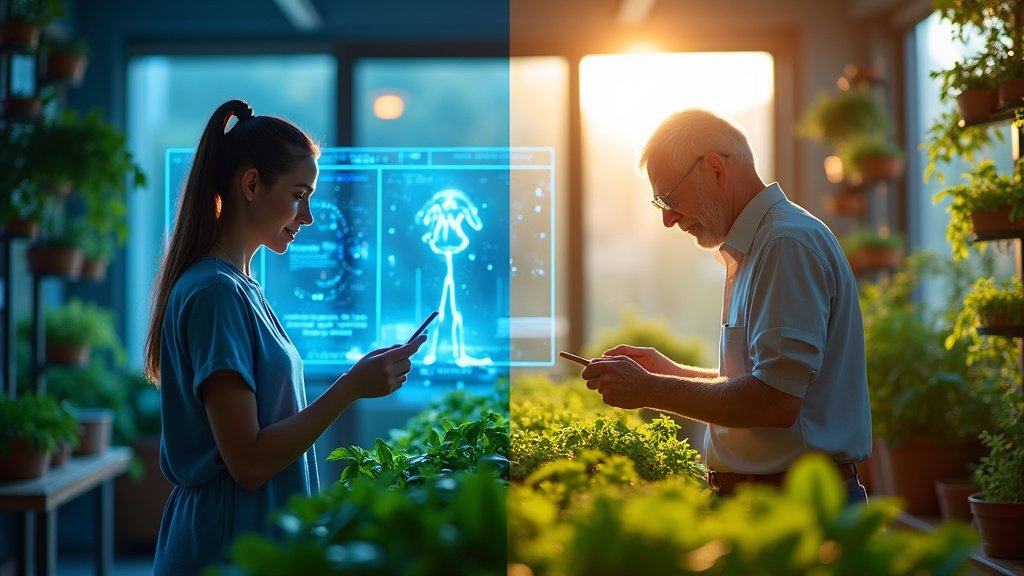
Distinct generational approaches are shaping the landscape of health and wellness. Younger demographics, particularly Gen Z and Millennials, are digital natives who view wellness as an integrated, daily practice. They prioritize personalization, digital integration, and often seek solutions that align with their values, including mental health support, appearance, and sexual health. These generations are also more attuned to mental well-being, actively seeking out solutions like therapy, mindfulness apps, and even skincare routines as part of their self-care rituals. They are also driving trends in “clean crafted” products, demanding transparency and natural ingredients.
Conversely, older generations, such as Baby Boomers, tend to focus on autonomy, preventive care, and the “Art of Aging Well”. Their priorities include maintaining mood, memory, and skin health, with a strong emphasis on longevity and preserving independence. While Baby Boomers often seek wellness as a form of escapism and stress reduction, they are increasingly adopting technology and showing interest in health-monitoring devices. However, a recent analysis indicates that Baby Boomers, despite living longer, are often facing more chronic illnesses than previous generations at the same age, highlighting a critical need for a greater focus on prevention.
Key Pillars of Modern Wellness
The modern health and wellness market is built upon several interconnected pillars. Mental well-being has surged to the forefront, with the mental wellness sector growing by 11.5% annually from 2019-2022, reaching $181 billion globally in 2022 and projected to hit $330 billion by 2027. This growth is fueled by increased awareness of stress, anxiety, and burnout, making mental health a critical component of overall wellness.
Physical well-being is being redefined through nutrition optimization, including a focus on gut health and the integration of innovative solutions like GLP-1 medications which have spurred demand for complementary products. There’s also a growing emphasis on oral health and its impact on systemic well-being. The demand for “clean crafted” products, free from artificial additives and transparently labeled, is a significant consumer expectation across all demographics.
Longevity and healthy aging are also major growth areas. With aging populations worldwide, consumers are increasingly seeking products and services that support extended healthspans, cognitive function, and continued independence. This trend is not limited to older adults, as younger generations are also adopting a proactive approach to healthy aging.
Technology and Personalization Drive the Future
Technology is an indispensable catalyst in the evolving wellness sector. Wearable devices, AI-driven health apps, telehealth services, and at-home diagnostics are becoming integral to how consumers track their health metrics and access personalized advice. The market for AI wearables alone is projected for substantial growth, driven by their ability to offer hyper-personalized solutions. Artificial intelligence and machine learning are enabling customized health insights, from nutrition plans to mental health guidance, moving beyond generic advice to tailored protocols based on individual data.
Transparency and trust are paramount as brands strive for authentic, benefit-led experiences. Consumers are scrutinizing ingredients and manufacturing processes, leading to a strong preference for recognizable, natural components and sustainable practices.
As the global health and wellness market continues its dynamic evolution, the convergence of generational needs, technological innovation, and a holistic understanding of well-being paints a picture of a future where personalized, preventive, and mindful living are paramount. This recent news highlights an ongoing, deeply personal quest for healthier lives across all ages.


Related Posts