
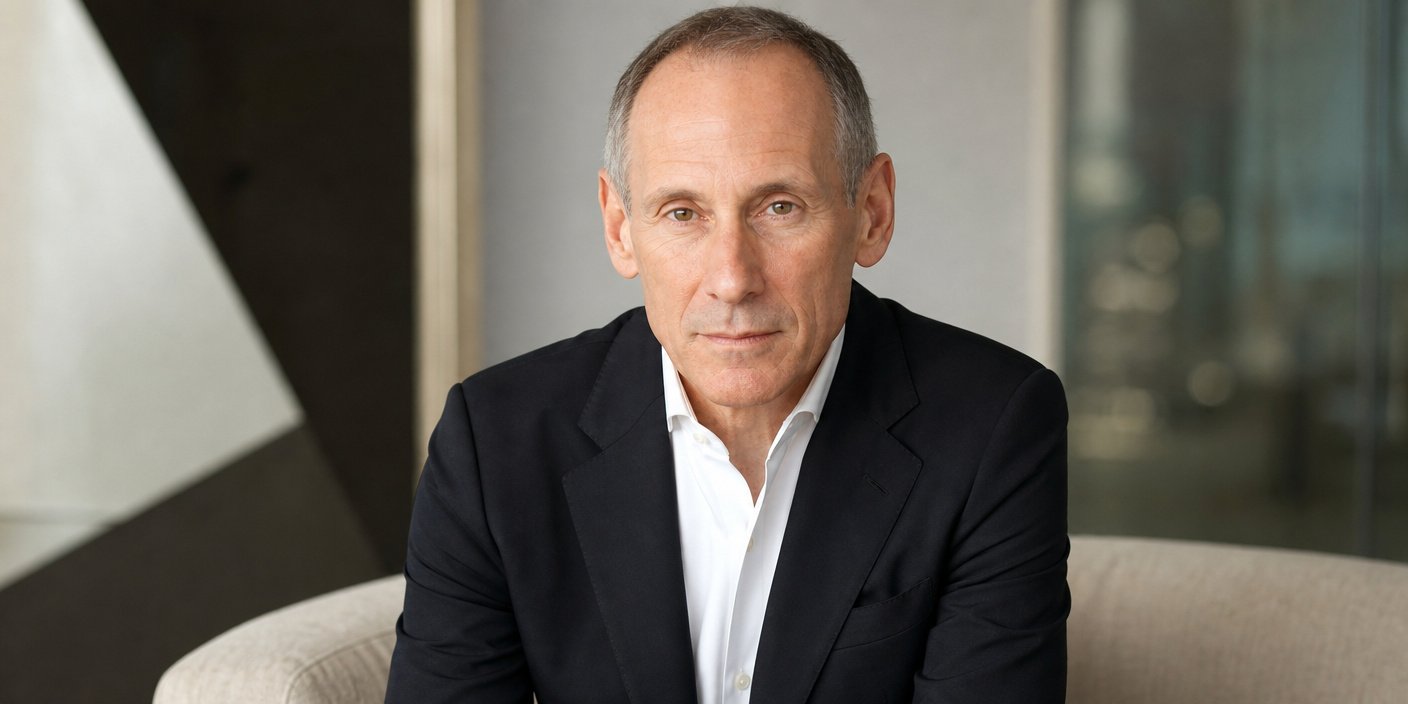
PETA Shifts Strategy: Meeting Planned with CFDA’s Steven Kolb
PETA and CFDA CEO Steven Kolb in Dialogue Following Runway Clash
The landscape of New York Fashion Week (NYFW) was upended this season not just by couture, but by a volatile physical confrontation involving Steven Kolb, the CEO of the Council of Fashion Designers of America (CFDA). Following an incident where Kolb was captured on video physically restraining a PETA protester during the Coach runway show, the activist organization has announced a strategic shift. Initially threatening to pursue a police report against the fashion executive, PETA has instead pivoted toward a formal meeting to address the industry’s stance on animal welfare. Simultaneously, Kolb has confirmed he is stepping away from his operational duties at the CFDA for a temporary period of reflection.
Key Highlights
- The Incident: Steven Kolb physically intervened to remove a PETA protester who had breached the runway during the Coach show at NYFW.
- The Strategic Pivot: PETA has officially suspended plans to file a police complaint, opting instead to request a sit-down meeting with Kolb to discuss ethical fashion mandates.
- Leadership Transition: Steven Kolb has announced a temporary leave of absence from his role as CEO of the Council of Fashion Designers of America.
- Industry Impact: This confrontation highlights the intensifying friction between high-fashion houses, their governing bodies, and animal rights organizations.
From Confrontation to Collaboration: The CFDA-PETA Nexus
The incident at the Coach runway show serves as a high-visibility flashpoint in the ongoing tug-of-war between legacy fashion institutions and aggressive animal rights activism. The CFDA, which represents the interests of American designers, is now at a critical juncture. The organization, long seen as the gatekeeper of American fashion, is being forced to confront the public relations and ethical consequences of how its leadership manages dissent.
The Anatomy of the Runway Disruption
During the Coach Spring/Summer showcase, the atmosphere of luxury was shattered when a PETA protester managed to bypass security, infiltrating the runway. Steven Kolb, acting in a capacity typically reserved for security personnel or brand management, engaged with the protester, physically restraining them to facilitate their removal. The raw footage of the struggle circulated rapidly across social media platforms, creating a PR crisis for the CFDA. While many within the industry initially framed the incident as a breach of security protocol, the focus quickly shifted to the physical conduct of the CFDA CEO.
The Strategic Pivot: Legal vs. Diplomatic
PETA’s decision to move away from police involvement is a classic demonstration of ‘leverage-based advocacy.’ By holding a potential police report over the organization, PETA secures a seat at the table. This is not merely an act of de-escalation; it is a calculated effort to force the CFDA to revisit its policies on fur, exotic skins, and animal testing.
“We do not seek to punish individual executives through the legal system if we can achieve systemic change through negotiation,” a PETA representative implied, framing the meeting as an opportunity for the CFDA to ‘evolve with the times.’ Whether the CFDA will move toward banning certain materials—a move already adopted by major luxury conglomerates like Kering and Prada—remains the central question of these upcoming discussions.
Secondary Angles: Understanding the Wider Context
1. The Historical Evolution of Fashion Activism
Fashion has long been a target for animal rights groups, but the methods have evolved. In the 1990s and 2000s, the focus was on ‘shock’—paint-throwing and red-carpet disruption. Today, the strategy has moved into the boardroom. By targeting leaders like Kolb, organizations like PETA are moving beyond brand-specific boycotts and aiming to influence the institutional ‘rule-makers’ of the fashion world. The goal is to make the use of animal products a liability that no executive can afford to defend.
2. Economic Risk and the ‘Values Economy’
Modern luxury consumers are increasingly sensitive to supply chain ethics. For a powerhouse like the CFDA, the economic risk of being perceived as ‘out of touch’ is substantial. Data suggests that Gen Z and Millennial demographics—who make up the bulk of luxury fashion growth—prioritize sustainable and cruelty-free materials. This incident forces the CFDA to balance its traditionalist roots with the demands of an increasingly ethical consumer base, proving that animal welfare is no longer a niche issue but a core economic driver.
3. The Future of Ethical Fashion Supply Chains
The upcoming dialogue between PETA and Kolb is expected to focus on formalizing ‘cruelty-free’ standards across CFDA-affiliated brands. This could lead to a monumental shift in American fashion, potentially culminating in a unified industry pledge against specific animal products. If the CFDA adopts formal guidelines, it could effectively render the use of fur or exotic skins a ‘non-compliant’ practice within the industry’s most influential body, setting a new standard for luxury design.
FAQ: People Also Ask
1. Why did Steven Kolb step back from his role?
Steven Kolb’s decision to take a temporary leave follows the intense media scrutiny and backlash regarding his physical reaction to the PETA protester. The move is intended to allow for a cooling-off period while the organization evaluates its internal policies and external relations.
2. Is PETA still going to file a police report against Kolb?
No. PETA has publicly stated that they are prioritizing a meeting with Kolb to discuss animal welfare in fashion, effectively putting their legal strategy on hold in favor of collaborative negotiation.
3. What does the CFDA actually do for the fashion industry?
The Council of Fashion Designers of America (CFDA) is a not-for-profit trade association that supports American fashion designers. They provide resources, business development opportunities, and govern industry standards, including the official NYFW schedule.
4. Will this incident change the way NYFW handles security?
It is highly probable. The breach at the Coach show exposed gaps in security protocols, and industry insiders expect a tighter, more restrictive environment for future NYFW events, with greater emphasis on both professional security and risk management regarding activist infiltration.


Related Posts


