Maher on Trump, Comedy, and His Twain Prize
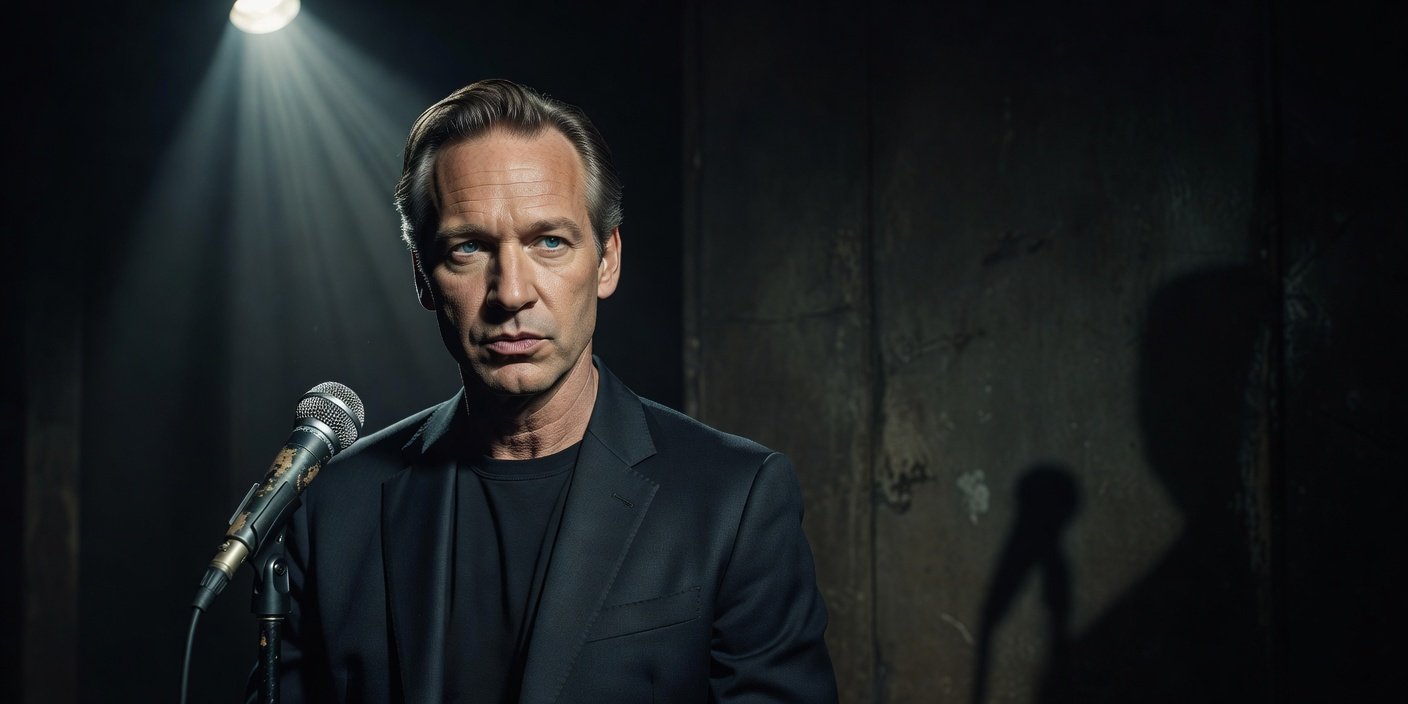
NPR’s Steve Inskeep recently sat down with comedian and television host Bill Maher to delve into a range of topics, including his perspectives on modern comedy, his well-known atheism, and an unexpected anecdote about dining with former President Donald Trump. The conversation followed Maher’s distinguished achievement of winning the Mark Twain Prize for American Humor, a recognition that underscores his significant impact on the comedic landscape.
Key Highlights:
- Bill Maher received the Mark Twain Prize for American Humor.
- The interview explored Maher’s outspoken views on atheism.
- He shared insights into his experiences dining with Donald Trump.
- Discussions touched upon the current state and challenges of comedy.
Navigating Comedy’s Shifting Sands and Atheist Stances
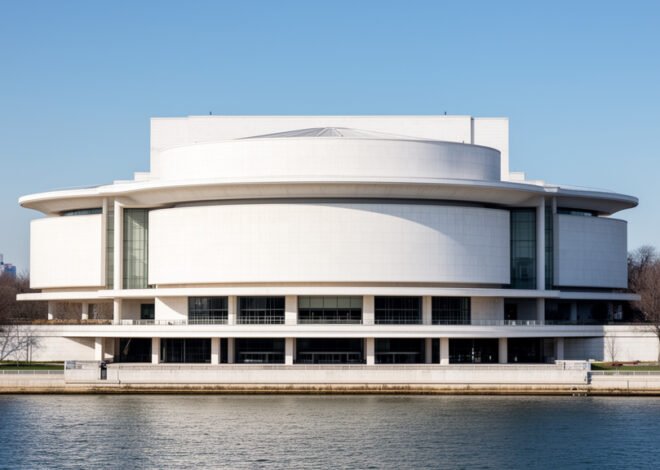
Bill Maher, a figure known for his sharp wit and often controversial commentary, used his conversation with Steve Inskeep to reflect on the intricate dynamics of contemporary comedy. The interview, stemming from his award of the Mark Twain Prize for American Humor, provided a platform for Maher to articulate his views on how humor is perceived and produced in today’s often-sensitive cultural climate. The prize itself, named after one of America’s most cherished humorists, highlights Maher’s long-standing career and his distinctive voice in public discourse. He has consistently engaged with significant societal issues, often through a lens of skepticism and secularism, which has cemented his reputation as a prominent atheist voice in popular media. His public persona often challenges conventional norms, making him a subject of both admiration and debate. This willingness to tackle complex subjects, from politics to religion, has been a hallmark of his career and a key factor in his enduring relevance. The Mark Twain Prize, awarded by the John F. Kennedy Center for the Performing Arts, recognizes individuals who have had a significant impact on American society in the vein of humor and social commentary, much like the celebrated author himself. Previous recipients include such luminaries as Tina Fey, Eddie Murphy, and Dave Chappelle, placing Maher in esteemed company.
The Evolving Nature of Stand-Up
Maher has often spoken about the pressures faced by comedians, particularly concerning what he perceives as an increasing tendency towards self-censorship or an over-sensitivity within audiences and on college campuses. He has voiced concerns that the boundaries of acceptable humor are constantly shifting, making it more challenging for comedians to explore provocative or taboo subjects without facing backlash. This perspective often places him at odds with critics who argue that comedy should be held to a higher ethical standard, especially when dealing with marginalized groups. The nuances of free speech versus hate speech, and where the line is drawn in comedic expression, remain a persistent point of discussion in the entertainment industry. Maher’s approach, often characterized by a direct and unapologetic style, reflects a broader debate about the role of satire and its potential impact in shaping public opinion and challenging societal norms. His show, “Real Time with Bill Maher,” has frequently featured guests from across the political spectrum, underscoring his commitment to open dialogue, even if his own viewpoints are often clearly articulated and defended.
Confronting Faith: Maher’s Atheist Convictions
Central to Maher’s public identity is his staunch atheism and his willingness to critically examine religious beliefs. He has consistently argued for the importance of secularism and rationalism, often critiquing organized religion for what he sees as its historical and ongoing contributions to societal problems. This, too, has been a recurring theme throughout his career, from his early stand-up routines to his work on television. His book, “When You Ride Alone,” published in 2003, delved into some of these philosophical and secular viewpoints. The interview with Inskeep provided an opportunity for Maher to reiterate these deeply held convictions and to perhaps offer a more nuanced perspective on his critiques of faith-based institutions. His advocacy for a science-driven worldview often engages with contemporary debates about education, public policy, and the separation of church and state, making his voice a significant one in secular circles.
An Unexpected Table Guest: Dining with Donald Trump
One of the more intriguing revelations from the interview was Maher’s account of dining with Donald Trump. While Maher is a prominent critic of Trump’s policies and rhetoric, he shared a surprising anecdote about a past meal. This particular anecdote highlights the complex and often paradoxical nature of public figures and their interactions. Maher has been a vocal critic of Trump’s presidency and political career, often featuring him as a subject of satire on his show. However, the specific details of this dining experience, as shared with Inskeep, offered a glimpse into a less publicized aspect of their occasional encounters. It suggests a level of personal interaction that might contrast with their public political stances. This experience, though not elaborating on the substance of their conversation, adds a layer of personal history to the public adversarial relationship between Maher and Trump, illustrating that personal relationships can sometimes transcend public political divides, or at least coexist in a more complex manner than typically presented.
FAQ: People Also Ask
Who awarded Bill Maher the Mark Twain Prize for American Humor?
The Mark Twain Prize for American Humor was awarded to Bill Maher by the John F. Kennedy Center for the Performing Arts.
What are Bill Maher’s views on religion?
Bill Maher is a well-known atheist and has frequently voiced critiques of organized religion, advocating for secularism and rationalism.
Has Bill Maher ever met Donald Trump?
Yes, Bill Maher has mentioned dining with Donald Trump, sharing an anecdote about the experience during his interview with NPR’s Steve Inskeep.
What is Bill Maher most famous for?
Bill Maher is most famous for his HBO television show “Real Time with Bill Maher,” his stand-up comedy, and his outspoken views on politics, religion, and social issues. He is also recognized for his role as a prominent atheist voice.
When did Bill Maher receive the Mark Twain Prize?
While the specific date of the award ceremony for Bill Maher’s Mark Twain Prize for American Humor is not detailed in the provided summary, the prize is typically awarded annually by the Kennedy Center.


Related Posts