Met Museum Scraps ‘John Galliano: Horizons’ Following Public Outcry
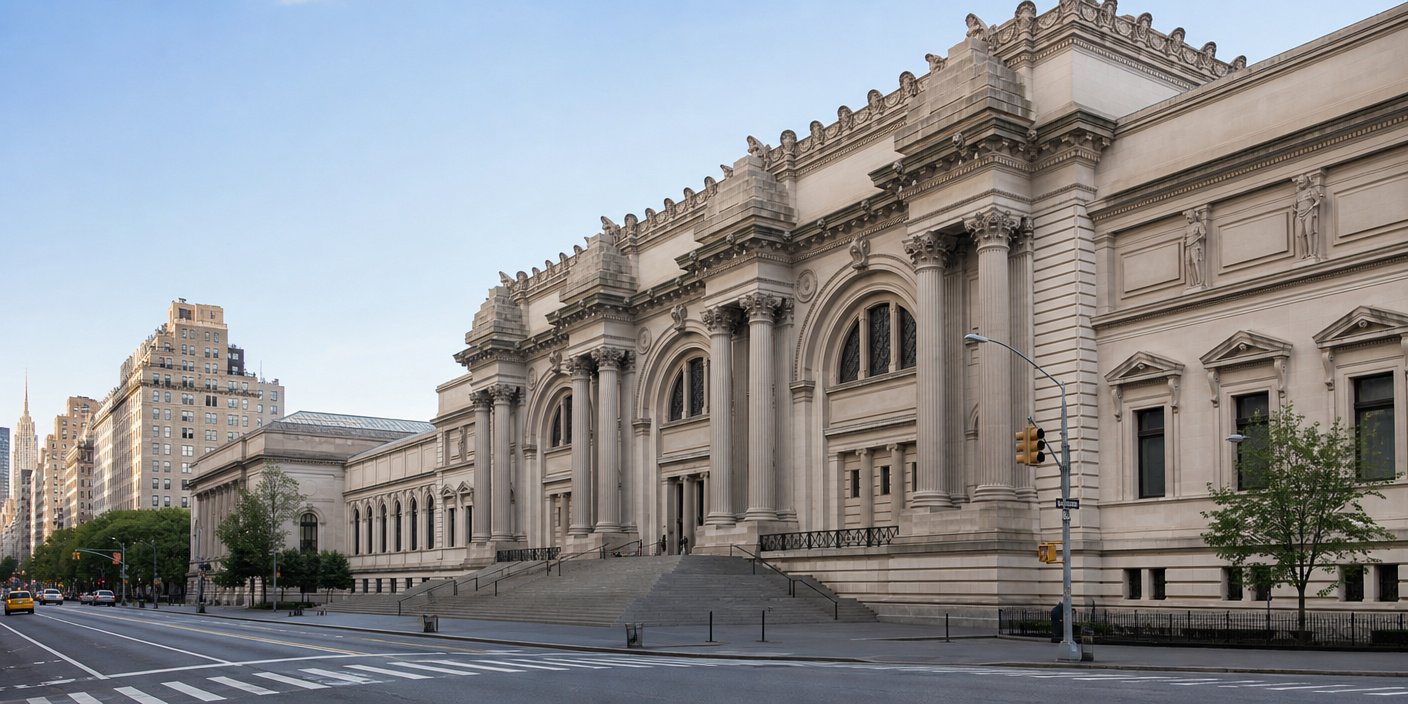
The Metropolitan Museum of Art has officially canceled its plans for the 2027 Costume Institute exhibition, tentatively titled ‘John Galliano: Horizons,’ and the accompanying Met Gala theme. The decision, which has sent shockwaves through the fashion and art world, comes in direct response to intense, sustained public pressure and internal discourse regarding the designer’s past conduct. While the Met typically operates on a three-to-five-year planning cycle for its Costume Institute shows, this sudden pivot marks a rare and high-profile reversal for the world’s most prestigious fashion museum.
Key Highlights
- Exhibition Cancellation: The Met Museum has formally scrubbed the 2027 calendar of the John Galliano retrospective, ending months of speculation and internal planning.
- Public Backlash: The decision was driven by significant opposition from donor circles, cultural critics, and the general public, who cited Galliano’s 2011 public conduct as a reason to disqualify him from the museum’s honor.
- Gala Status: The 2027 Met Gala, which traditionally sets the cultural tone for the year, is now entering a crisis planning phase to determine a new theme or subject matter.
- Institutional Reputation: This move highlights the growing tension between historical fashion curation and modern expectations of moral accountability for public figures.
The Anatomy of a Cancellation: Why the Met Withdrew
The Metropolitan Museum of Art has long been viewed as the pinnacle of fashion curation, providing a hallowed space where the lines between garment design and fine art are effectively blurred. However, the decision to cancel ‘John Galliano: Horizons’ reveals a distinct shift in how cultural institutions are forced to navigate the legacy of their subjects in the 21st century. The ‘Horizons’ exhibition was intended to be a deep-dive analysis of Galliano’s work—a career that remains one of the most creatively influential of the late 20th and early 21st centuries. Yet, the museum faced an impossible hurdle: reconciling the artistic genius of his tenure at Dior and his eponymous label with the toxicity of his 2011 personal conduct, which remains a permanent stain on his public record.
The Institutional Tightrope
For the Met’s Costume Institute, the stakes could not be higher. When an exhibition is announced, it is not merely a show; it is an endorsement. By dedicating the museum’s prime real estate and the world’s most watched red carpet event to a specific designer, the institution implicitly bestows a ‘legacy honor.’ The criticism leveled at the Met in recent months centered on whether such an honor is reconcilable with the designer’s past. Critics argued that in an era of heightened social awareness, celebrating a figure who once made disparaging, antisemitic remarks—despite his subsequent apologies and attempts at rehabilitation—is an act of institutional indifference.
Ultimately, the board likely concluded that the potential for protest, the alienation of key donors, and the risk of overshadowing the actual garments with political noise outweighed the benefits of the exhibition. The museum, acting as a steward of cultural memory, chose to prioritize a ‘clean’ narrative, opting to avoid the potential of a deeply fractured reception.
The Economic and Cultural Fallout
Canceling a show three years out is an administrative and logistical nightmare. Exhibitions of this scale involve years of negotiation with private lenders, international museums, and luxury conglomerates, specifically LVMH, which owns the rights to much of the archive. The Met must now pivot, likely looking for a theme that is safer, more academic, or perhaps one that focuses on a collective movement rather than a singular, controversial personality. This cancellation may also signal a trend where the Costume Institute leans away from ‘designer retrospectives’ and back toward broader ‘thematic’ or ‘historical’ explorations, which provide more insulation against the volatility of personal reputations.
Furthermore, the Met Gala is the museum’s primary fundraiser. A theme that sparks controversy before the red carpet is even rolled out is a financial risk. The gala is a revenue engine; sponsors want a night of celebration, not a night of protest. By pulling the plug early, the Met has saved itself from an expensive and reputationally damaging PR cycle in 2027.
The Shifting Landscape of Legacy
This incident serves as a bellwether for the broader fashion industry. We are seeing a contraction of ‘forgiveness culture’ in high-stakes environments. While Galliano has been welcomed back into the fold of the industry—evidenced by his acclaimed work at Maison Margiela—the Metropolitan Museum is a different beast entirely. It answers to a global public. The question this event raises for the future is clear: Can we separate the art from the artist when the artist’s history conflicts with the values of the institution? For the Met, at this moment in time, the answer is a resounding ‘no.’
FAQ: People Also Ask
1. Will the Met replace ‘John Galliano: Horizons’ with another designer exhibition?
It is highly probable, though not yet confirmed, that the Met will pivot to a thematic exhibition rather than a single-designer retrospective. Thematic shows allow the museum to explore trends, textiles, or historical periods without tying the prestige of the Costume Institute to the personal history of a living, controversial individual.
2. How does this affect John Galliano’s current standing in fashion?
Galliano remains a respected creative force within the industry, particularly for his continued work at Maison Margiela. His status among designers and creative directors remains largely intact, though this cancellation demonstrates that high-culture institutions and the commercial fashion industry operate under very different sets of moral and reputational pressures.
3. Is there a precedent for the Met cancelling an exhibition of this size?
While the Met has adjusted exhibition schedules due to logistical or funding issues in the past, a public cancellation of a high-profile retrospective due to the subject’s controversial nature is an unprecedented move for the modern Costume Institute. It signifies a major change in how the institution manages its ‘honoree’ selections.
4. What will happen to the 2027 Met Gala?
While the date for the 2027 gala remains, the theme is currently in limbo. The Met’s event team will likely scramble to either replace the exhibition subject entirely or re-conceptualize the theme to be more abstract, likely shifting toward a broader survey of fashion history or a specific cultural movement that lacks the baggage of the Galliano proposal.


Related Posts