August 2026 Retail Shakeup: Frasers Acquires Harvey Nichols
The UK retail landscape underwent a fundamental transformation in August 2026, marked by the strategic consolidation of iconic luxury entities and a aggressive resurgence of physical store footprints. This month’s activity signals a decisive move away from purely digital-first growth strategies, highlighting a return to experiential, bricks-and-mortar supremacy as the primary driver of market share. From the high-stakes boardroom deals in Knightsbridge to the logistical expansion of value-conscious retail giants across the high street, the retail sector is entering a period of concentrated power and spatial investment.
Key Highlights
- Frasers Group Acquisition: The retail conglomerate has finalized the acquisition of Harvey Nichols, integrating the luxury department store into its premium portfolio.
- NEXT Physical Expansion: Continuing its strategy of dominant UK presence, NEXT has expanded its footprint into key regional hubs, prioritizing flagship experiences.
- Lefties’ Growth Trajectory: The Inditex-owned value brand has accelerated its physical retail rollout across the UK, challenging traditional discount retailers.
- Strategic Pivot: Retailers are increasingly focusing on ‘destination shopping,’ utilizing physical presence to offset rising digital customer acquisition costs.
The Consolidation of Luxury: Frasers and the Harvey Nichols Acquisition
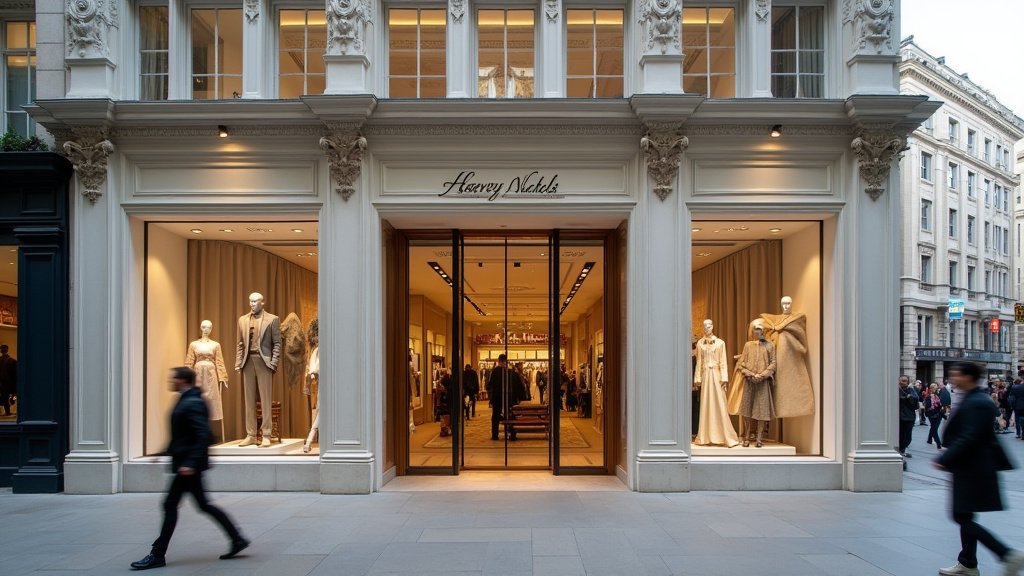
The most significant development of August 2026 is undoubtedly the acquisition of Harvey Nichols by the Frasers Group. This move serves as a cornerstone event in the year’s retail calendar, fundamentally altering the luxury hierarchy in the United Kingdom. Frasers Group, led by its aggressive portfolio management strategy, has long sought to bridge the gap between aspirational high-street shopping and ultra-luxury.
By absorbing Harvey Nichols, Frasers is not merely acquiring a department store; they are securing a heritage brand with a distinct, high-net-worth customer base that complements their existing stable, which includes the likes of Flannels and House of Fraser. Analysts point to the synergy between Frasers’ logistical infrastructure and Harvey Nichols’ established supply chain for high-end fashion as a masterclass in market consolidation. This acquisition suggests a broader strategy: creating an unassailable luxury cluster that can navigate economic fluctuations by leveraging the collective purchasing power of multiple banners under a single corporate umbrella.
The ‘Destination’ Retail Model
Unlike the defensive closures seen in previous years, this acquisition focuses on prime real estate assets. The integration of Harvey Nichols into the Frasers model indicates a shift towards maximizing the utility of existing high-value physical locations. By streamlining back-office operations while maintaining the distinct, elevated in-store experience that Harvey Nichols is known for, Frasers is betting on the resilience of physical, high-touch luxury retail in a digital-saturated world.
High Street Evolution: NEXT and Lefties Leading the Charge
While the luxury sector consolidates at the top, the mid-market and value segments are witnessing a brutal, fast-paced race for physical dominance. NEXT continues to be the outlier in retail logic. While many competitors have retracted their physical presence to bolster online profit margins, NEXT has doubled down, treating its stores as logistical hubs and brand showrooms. In August 2026, their expansion efforts have targeted specific regional growth corridors, ensuring they remain the dominant physical presence in mid-tier UK malls and retail parks.
Simultaneously, the entry and expansion of Lefties, the value-focused arm of the Inditex conglomerate, is creating significant pressure on traditional UK high-street staples. By applying the fast-fashion operational rigour synonymous with Zara, but positioned at a more aggressive price point, Lefties is effectively capturing the foot traffic that other mid-market retailers have been losing to e-commerce.
Why Physical Matters Now
The expansion strategies adopted by NEXT and Lefties share a common denominator: the recognition that customer acquisition costs (CAC) online have reached a saturation point. Physical retail, once seen as a cost center, is being repurposed as a low-CAC environment. For NEXT, the store acts as a return hub and a collection point, while for Lefties, the physical shop provides the immediate gratification and ‘treasure hunt’ experience that their demographic demands.
Russell & Bromley and the Mid-Luxury Squeeze
Beyond the massive corporate movements, the performance of heritage brands like Russell & Bromley remains a critical indicator of market health. August has seen the brand navigate the volatility by emphasizing the ‘accessible luxury’ category. As consumers become more discerning, the preference for long-lasting, high-quality leather goods has provided a cushion against the broader economic headwinds affecting discretionary spending. The brand’s ability to maintain its physical presence in prime locations, while resisting the race-to-the-bottom pricing models seen in other segments, continues to be a case study in brand resilience.
Future Outlook: Preparing for Q4
The movements observed in August 2026 are not reactionary; they are preparatory. The acquisitions and footprint expansions initiated this month are designed to solidify market positions ahead of the crucial Q4 holiday season. Retailers are hedging their bets on a consumer base that, while cautious, is showing a clear preference for brands that can offer a tangible, reliable, and premium shopping experience. As we look toward the end of the year, the winners will be those who have successfully balanced the efficiency of digital operations with the emotional resonance of the physical store.
FAQ: People Also Ask
Q: What does the Frasers Group acquisition of Harvey Nichols mean for shoppers?
A: Primarily, it signals an integration of logistical and loyalty systems. Shoppers can expect a more seamless experience between Frasers’ broader portfolio and Harvey Nichols, potentially including unified loyalty rewards and shared stock availability.
Q: Why is NEXT expanding physical stores while others are closing them?
A: NEXT utilizes a ‘Total Platform’ strategy where physical stores function as essential nodes for click-and-collect, returns, and brand showrooms, effectively reducing the overall cost of e-commerce delivery and returns while driving foot traffic.
Q: How does the entry of Lefties impact the UK high street?
A: Lefties brings intense price competition and high-frequency inventory turnover, forcing domestic high-street retailers to either differentiate their value proposition or risk losing market share to the Inditex-backed discount model.
Q: Is physical retail making a comeback?
A: In 2026, the industry is seeing a ‘correction’ rather than a pure comeback. Retailers are moving away from ‘closing at all costs’ toward a selective, high-value footprint strategy where physical locations serve as key logistical and marketing assets rather than just sales floors.


Related Posts