
Global Flashpoints: Kyiv Drone Strike & Bolivian Blast
In a flurry of international security developments on September 5, 2026, the global landscape faces heightened uncertainty following an early-morning drone strike on the Security Service of Ukraine (SBU) headquarters in Kyiv and a catastrophic double detonation at a military barrack in Bolivia. These kinetic events coincide with a high-profile diplomatic statement from former President Donald Trump regarding the North Atlantic Treaty Organization (NATO) and the intentions of Russian President Vladimir Putin.
Key Highlights
- A precision Russian drone strike targeted the SBU headquarters in Kyiv, raising concerns about the escalation of aerial warfare tactics in the capital.
- A deadly double detonation occurred at a military barrack in Bolivia, with authorities still scrambling to secure the perimeter and investigate the source of the blasts.
- Former President Donald Trump officially stated his belief that Vladimir Putin harbors no current intention to launch an offensive against NATO territory, diverging from traditional Western intelligence assessments.
- The confluence of these events signals a multifaceted challenge for international diplomatic and defense agencies navigating a rapidly shifting geopolitical chessboard.
Global Security Crisis: Escalating Conflicts and Diplomatic Shifts
The events of September 5, 2026, serve as a stark reminder of the fragility of current global stability. From the frontlines of Eastern Europe to the heart of the Andes, security apparatuses are reeling from attacks that defy easy categorization, while political leaders continue to reshape the narratives governing international alliances. The following analysis breaks down these critical developments and their broader implications for global security.
The Kyiv Strike: SBU Headquarters Targeted
Early reports indicate that a low-altitude Russian drone successfully penetrated Kyiv’s air defense perimeter, striking the headquarters of the Security Service of Ukraine (SBU). The precision of the strike suggests a sophisticated evolution in drone technology, likely utilizing advanced electronic counter-measure avoidance. While casualty figures are still being verified, the symbolic and tactical impact of an assault on the SBU—the primary domestic intelligence agency responsible for counter-espionage—cannot be overstated. Military analysts have noted that this strike indicates a shift from broad infrastructure attacks to targeted, high-value intelligence centers, potentially complicating Ukraine’s defensive strategies as the conflict enters its next phase of attrition.
Tragedy in Bolivia: Military Barracks Under Fire
The situation in South America has taken a dark turn following a deadly double detonation at a military barrack in Bolivia. The dual nature of the blasts—occurring in quick succession—suggests a coordinated sabotage or an asymmetric strike rather than an isolated accident. While local military leadership has cordoned off the facility, the explosion has sent shockwaves through the region, sparking immediate concerns regarding the potential for further destabilization. The lack of an immediate claim of responsibility has left a dangerous vacuum of information, which security experts warn could be exploited by domestic factions to incite further unrest within the nation’s fragile political environment.
The NATO Question: Trump’s Assessment on Putin
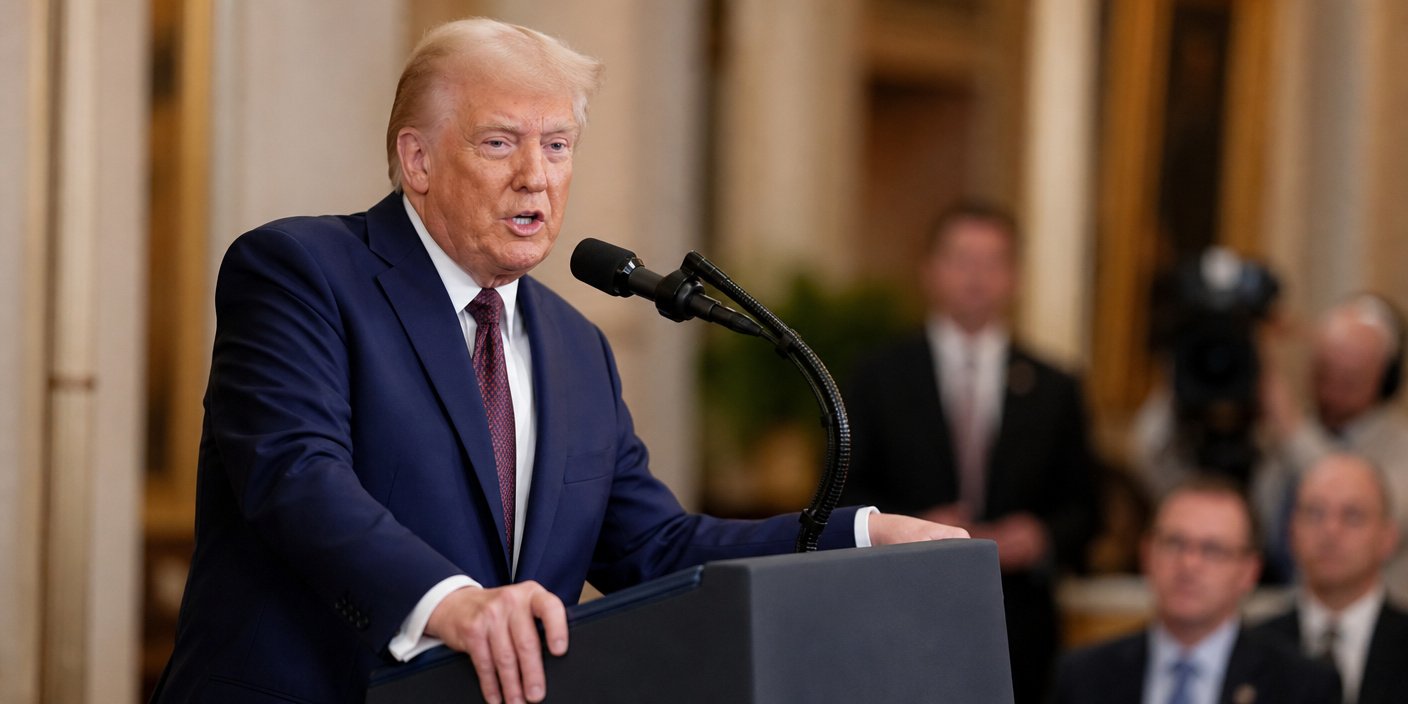
Amidst the chaos of the day’s violence, the political sphere has been dominated by a bold diplomatic assertion. Former President Donald Trump, speaking earlier today, reaffirmed his skepticism regarding the conventional wisdom surrounding the Kremlin’s expansionist ambitions. Trump stated that he does not believe Vladimir Putin has any intention to attack NATO territory. This statement directly challenges the prevailing consensus among European leaders and high-ranking officials within the Biden-era defense establishment, who have consistently characterized Russia as an existential threat to the integrity of the NATO alliance. This diplomatic divergence adds another layer of complexity to the 2026 political landscape, suggesting that if return-to-office scenarios manifest for certain candidates, a radical pivot in transatlantic security policy may be imminent.
Secondary Angles of Analysis
1. The Evolution of Asymmetric Drone Warfare
The strike on the SBU is not merely a tactical victory; it represents a technological maturation. As drones become faster, quieter, and more autonomous, the defense of high-value urban centers becomes exponentially more difficult and expensive. This incident necessitates a global re-evaluation of current anti-air defense architectures, which are increasingly ill-equipped to handle the swarm-based, precision-strike capabilities of modern unmanned aerial systems.
2. Regional Instability in Latin America
The Bolivian incident highlights the broader, often overlooked risks of instability in South America. As geopolitical attention is heavily focused on the Euro-Asian theaters, countries with internal vulnerabilities, such as Bolivia, may face increased threats from non-state actors who recognize that global surveillance and military focus are elsewhere. This raises the question of whether international security pacts need to expand their scope to address threats in the Western Hemisphere more aggressively.
3. Diplomatic Realignment and Transatlantic Trust
Trump’s commentary on NATO and Putin is likely to cause significant diplomatic friction. Even in the lead-up to election cycles, such statements impact market stability and long-term defense spending commitments. European nations, particularly those on the Eastern flank of NATO, may view such rhetoric as a signal to accelerate their own sovereign defense capabilities, potentially leading to a more fractured, rather than unified, defense bloc in the coming years.
FAQ: People Also Ask
Q: What confirmed damage was reported at the SBU headquarters in Kyiv?
A: While structural damage assessments are ongoing, reports confirm a direct impact by a drone. The SBU has secured the area, but the incident has significantly hampered administrative operations within the agency today.
Q: Has any group claimed responsibility for the Bolivian military barrack explosion?
A: As of the time of reporting, no formal claims of responsibility have been issued. The dual-detonation nature of the incident suggests a high degree of planning, and local authorities are treating it as a top-priority criminal and national security investigation.
Q: How does Trump’s statement differ from current NATO policy?
A: The current NATO policy remains rooted in the belief that Russia poses a direct, imminent threat to Article 5 territory. Trump’s stated belief that Putin has ‘no intention’ to attack NATO territory creates a public rift in the narrative, suggesting that if he were to return to office, the policy of containment might be replaced by a policy of bilateral negotiation and de-escalation.
Q: What is the significance of the September 5, 2026 date?
A: This date serves as a turning point in the fiscal quarter and political calendar, coinciding with heightened global tensions that are now influencing both stock market volatility and international emergency response protocols.


Related Posts


