Russia, Ukraine Envoys Meet in UAE Amid Escalating Attacks and Nuclear Pact Fears
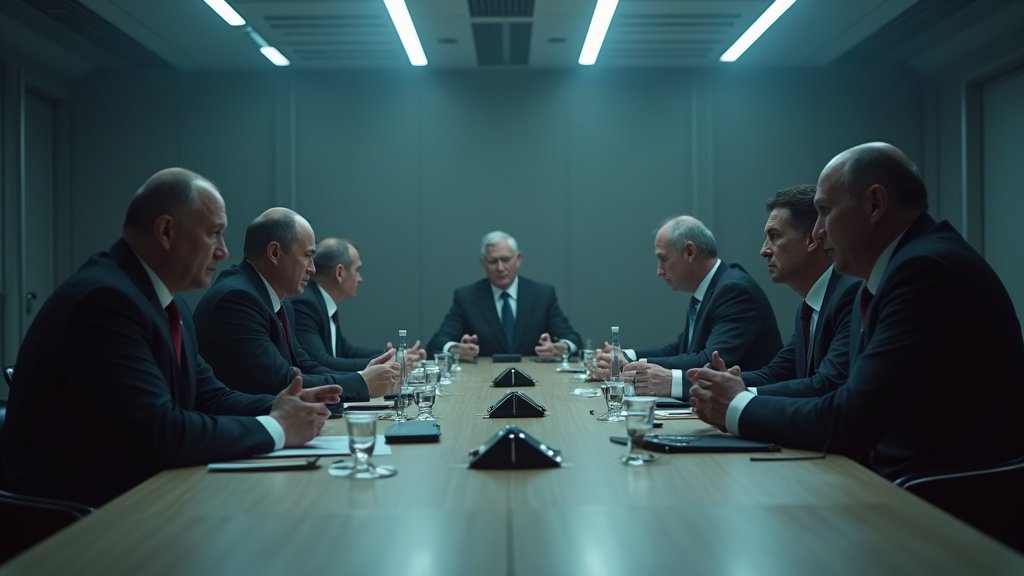
Envoys from Russia and Ukraine met in Abu Dhabi. This meeting occurred on Wednesday, February 4, 2026. It was part of US-brokered talks. The goal was to end the ongoing war. The conflict has lasted nearly four years. Russian forces occupy about 20% of Ukraine. The delegations from Moscow and Kyiv were joined by US officials. Special envoy Steve Witkoff represented the United States. Jared Kushner also attended. This marked a significant diplomatic effort. The talks proceeded in a trilateral format. All three delegations were present. Then, they moved to topic-specific breakout groups. A final plenary meeting was also planned. The negotiations occurred under a dark cloud. Russia continued its severe attacks. Its targets were Ukraine’s energy infrastructure. These strikes happened throughout the harsh winter. Millions of Ukrainians endured cold and darkness. Russia stated its attacks served military purposes. Ukrainian President Volodymyr Zelenskyy accused Russia of duplicity. He noted a brief energy truce was exploited. Russia attacked with a record number of missiles on Tuesday. This recent attack killed seven people. It happened in Druzhkivka. Cluster munitions hit a market there. This act underscored the war’s brutality. It dampened hopes for peace. The talks also coincided with a critical global development. The last nuclear arms pact between Russia and the US was set to expire. This was the New START treaty. It was due to end on February 5, 2026. Its expiration raised alarms. It marked the first time since the 1970s without limits on nuclear forces. Concerns grew about a new arms race. The United Arab Emirates hosted these vital discussions. The UAE has become a key mediator. It played a role in previous prisoner exchanges. This featured news highlights the complex geopolitical landscape.
The Abu Dhabi Peace Talks
Ukrainian negotiators included Rustem Umerov. He is Ukraine’s top negotiator. He also heads the National Security and Defense Council. Kyrylo Budanov and Andrii Hnatov were also part of the team. The Russian delegation was led by Igor Kostyukov. He is the head of GRU military intelligence. Senior intelligence officials also joined him. Kirill Dmitriev, the Kremlin’s investment envoy, was present. US officials Steve Witkoff and Jared Kushner joined them. They have been fixtures in US diplomacy. However, they have faced criticism. This stemmed from their lack of formal diplomatic experience.
The talks aimed to break a diplomatic stalemate. The war began in February 2022. Russia’s invasion triggered the conflict. It has become Europe’s deadliest since World War Two. Hundreds of thousands have died. Millions have fled their homes. Large parts of eastern and southern Ukraine are devastated. Previous negotiations yielded little progress. Deep divisions persist.
Persistent Roadblocks to Peace
Key sticking points remain. Russia demands Ukraine accept its conditions. This includes recognizing annexed territories. Russia also wants Ukraine to withdraw troops. This withdrawal would apply to the eastern Donetsk region. Ukraine rejects unilateral troop pullbacks. Kyiv seeks the restoration of its territorial integrity. It demands a full withdrawal of Russian forces. Security guarantees against future aggression are also critical. President Zelenskyy stated territorial decisions belong to the Ukrainian people. He suggested referendums could decide these issues. The fate of the Zaporizhzhia nuclear power plant is another sensitive issue. It is Europe’s largest. It sits in a Russian-occupied area.
Shadow of Violence and Cold
Russia’s attacks on Ukraine’s energy system intensified. By early 2026, these strikes caused severe degradation. Critical infrastructure suffered immensely. This threatened essential services. Civilian lives were at risk. Sub-zero temperatures exacerbated the crisis. Attacks aimed to undermine morale. They pressured Ukraine to divert resources to repairs. Such damage increased displacement risks. Western European systems could face strain. US President Donald Trump announced a one-week moratorium. This was on strikes against energy infrastructure. The Kremlin did not confirm this. Kremlin spokesman Dmitry Peskov remained non-committal. Russian Foreign Minister Sergei Lavrov called long ceasefires unacceptable. This stance cast doubt on Russia’s commitment to peace.
The Nuclear Shadow
The expiration of the New START treaty loomed large. It was the final arms control agreement between Russia and the US. The treaty limited deployed strategic nuclear warheads and launchers. Its lapse meant no legally binding limits on nuclear forces. This raised fears of a dangerous and costly arms race. The United States and Russia hold 90% of the world’s nuclear weapons. The treaty’s expiry marked a significant break. It signaled a move away from nuclear restraint. This made the world a more dangerous place.
Hopes Dim Amidst Challenges
The UAE facilitated face-to-face engagement. This was rare given the nearly four-year war. Negotiators tackled outstanding elements of a US peace framework. Statements after the talks offered little indication of breakthroughs. Moscow and Kyiv both expressed openness to future dialogue. However, Russia’s unchanged position was clear. Kremlin spokesman Dmitry Peskov reiterated this. He stated Russia’s stance was well understood. Hopes for a quick resolution remained dim. The war’s ongoing violence and geopolitical tensions created a difficult environment.
A Featured News Item
This recent diplomatic effort in Abu Dhabi was a featured news item. It highlighted persistent challenges in ending the war. The concurrent nuclear pact expiration added global gravity. The UAE’s role underscored its growing importance. These talks represent ongoing attempts to find a path forward. They seek to achieve a dignified and lasting peace. The world watched for any signs of de-escalation. However, the immediate outlook remained grim. The conflict’s human cost continued to rise. The geopolitical risks amplified significantly. Future negotiations remain uncertain.


Related Posts