
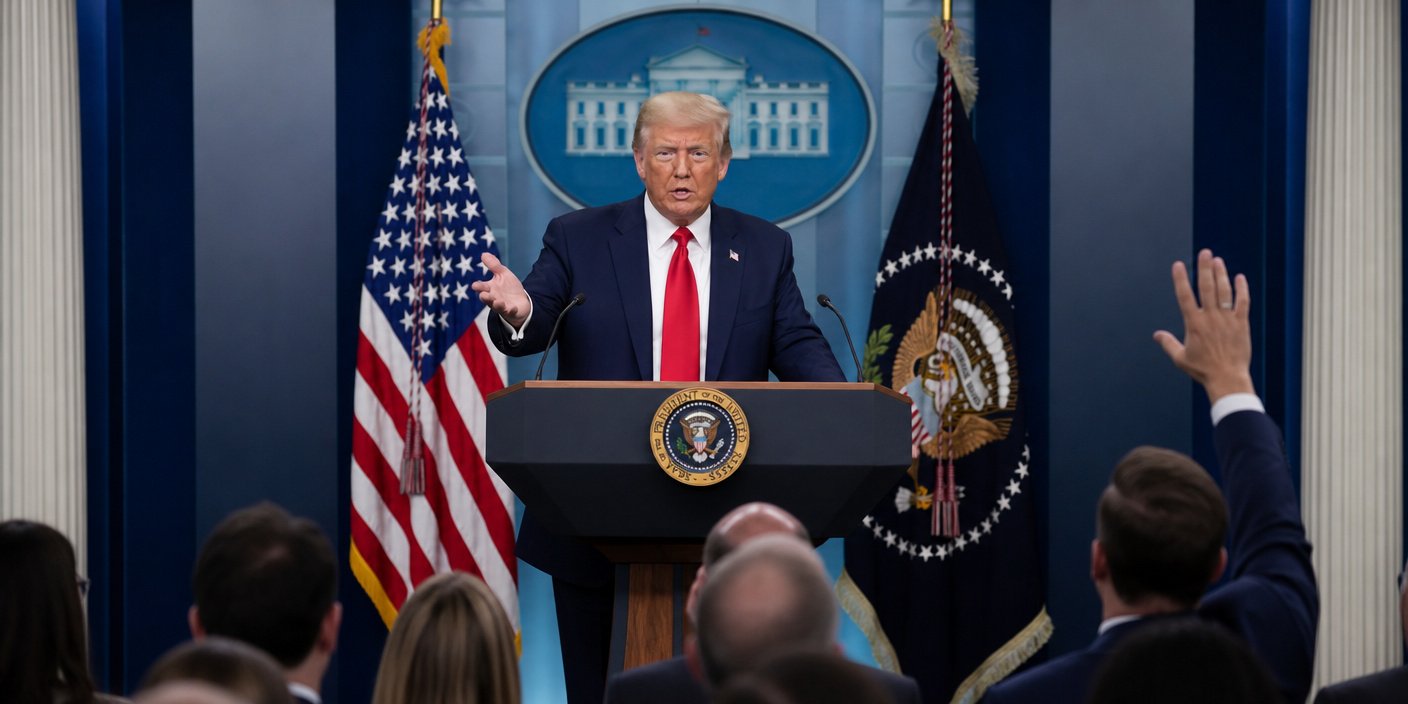
Trump Announces Medicare Improvement Fund Payments for Seniors
On October 2, 2026, President Trump officially announced the activation of new Medicare Improvement Fund (MIF) payments, a strategic administrative initiative designed to reinforce the operational stability of senior healthcare programs across the nation. The announcement, released as part of a broader series of administration updates, outlines a targeted approach to bolstering the fiscal and service-level architecture that supports America’s Medicare beneficiaries. By deploying resources through the Medicare Improvement Fund, the administration aims to mitigate administrative bottlenecks and ensure that healthcare providers have the necessary liquidity to maintain high standards of care for elderly patients.
- Immediate Funding Activation: The administration has authorized the distribution of Medicare Improvement Fund payments effective immediately, focusing on strengthening the backend systems that manage senior healthcare delivery.
- Service-Level Optimization: The initiative aims to reduce administrative friction for hospitals and clinics that serve high volumes of Medicare beneficiaries.
- Budgetary Precision: These funds are allocated from the pre-existing statutory Medicare Improvement Fund, ensuring that the intervention remains within established federal guidelines.
- Senior Care Focus: The primary objective is to enhance the overall quality and accessibility of preventative services and specialized treatments for senior populations.
Modernizing Senior Healthcare: The Medicare Improvement Fund Strategy
The activation of the Medicare Improvement Fund (MIF) represents a targeted effort to fortify the healthcare ecosystem supporting American seniors. By utilizing the MIF, a statutory vehicle originally established to provide flexibility in Medicare administration, the Trump administration is addressing critical infrastructure needs that often go overlooked in broader budgetary discussions. This initiative is not merely a subsidy but a calculated allocation of resources aimed at streamlining the delivery of essential services to millions of beneficiaries.
The Mechanics of Targeted Healthcare Investment
At its core, the Medicare Improvement Fund operates as a mechanism for addressing systemic inefficiencies within the Centers for Medicare & Medicaid Services (CMS). Unlike broad-based legislative spending, which can be subject to lengthy appropriations cycles, MIF payments allow for more agile responses to administrative needs. By injecting liquidity into this specific channel, the administration provides healthcare providers—particularly those operating in high-demand, low-margin environments—with the necessary financial stability to continue essential operations. The October 2, 2026, announcement signifies a commitment to maintaining continuity for patients who rely on the federal government for comprehensive coverage.
Economic Implications for the Healthcare Sector
The economic impact of these payments extends beyond the initial disbursement. For many rural and community-based hospitals, Medicare reimbursements constitute the majority of their revenue. By optimizing the flow of funds through the Medicare Improvement Fund, the administration effectively creates a buffer against the inflationary pressures currently impacting medical equipment, staffing costs, and facility maintenance. This liquidity allows institutions to prioritize patient-facing activities rather than administrative maneuvering, thereby stabilizing the healthcare workforce and ensuring that quality of care remains high even during periods of economic volatility.
Historical Context: The Role of the Medicare Improvement Fund
Understanding the importance of this announcement requires a look back at the legislative history of the Medicare Improvement Fund. Established as a statutory response to the need for flexibility in the Medicare program, the fund has traditionally been used to manage one-time administrative fixes or to address specific gaps in coverage that arise as healthcare technology evolves. By leveraging this tool in 2026, the administration is utilizing an established mechanism to address contemporary challenges, demonstrating a preference for working within existing federal frameworks rather than pursuing expansive, overhaul-style legislation. This approach provides a measure of predictability for stakeholders and beneficiaries alike.
Addressing Future Fiscal Sustainability
A secondary but critical angle of this announcement is the long-term sustainability of Medicare. As the demographic shift towards an older population continues, the strain on federal health programs is projected to increase. The strategic use of the Medicare Improvement Fund serves as a testing ground for how administrative funding can be directed to maximize long-term savings. By investing in preventative measures and administrative efficiencies today, the administration is positioning the Medicare program to better handle the fiscal demands of the coming decade. This proactive strategy is designed to prevent larger, more costly gaps in service down the road.
Technology and Modernization Efforts
Part of the funding initiative includes support for the technological infrastructure that enables Medicare claims processing. In an era of digital health records and telehealth services, the administrative systems managing these transactions must remain robust. The 2026 payments are structured to support the integration of advanced digital tools that reduce errors and speed up payment processing for providers. By upgrading these backend systems, the administration is creating a more resilient and efficient healthcare environment that benefits both the provider and the patient. This modernization effort is a key component of the administration’s broader vision for a digitized, responsive, and efficient federal healthcare apparatus.
FAQ: People Also Ask
Q: What is the Medicare Improvement Fund (MIF)?
A: The Medicare Improvement Fund is a statutory fund established by Congress to provide the Secretary of Health and Human Services with a flexible mechanism for making one-time payments or implementing administrative improvements within the Medicare program.
Q: How do these payments affect Medicare beneficiaries directly?
A: While the payments are primarily directed at the administrative and structural systems supporting healthcare providers, the ultimate goal is to ensure continuous access to high-quality care, reduce service disruptions, and facilitate more efficient treatment workflows for patients.
Q: Is this funding part of a larger legislative package?
A: No, the October 2, 2026, announcement is an administrative action utilizing the existing statutory authority of the Medicare Improvement Fund, rather than a new congressional spending bill.
Q: How does this impact healthcare providers?
A: Healthcare providers benefit from increased financial stability and streamlined administrative processes, which can help offset rising operational costs and allow for a stronger focus on clinical care delivery.


Related Posts


