
Trump Warns Israel, Iran: “Don’t Blow It”
Donald Trump has issued a stern warning to both Israel and Iran, urging them “not to blow it” as escalating tensions threaten to derail fragile peace efforts.
Key Highlights:
- Former President Trump advised Israel and Iran against further escalation.
- The warning comes amid fears of a wider regional conflict.
- Emerging ceasefire deals are reportedly at risk.
Emerging Ceasefire Deal Under Threat
The delicate diplomatic efforts to de-escalate tensions between Israel and Iran are facing unprecedented challenges, with former President Donald Trump issuing a direct plea to both nations to exercise restraint. Trump’s warning, delivered in a manner characteristic of his direct communication style, highlights the precariousness of the current geopolitical situation in the Middle East. The specter of a wider regional conflict looms large, with analysts expressing concerns that any misstep could ignite a conflagration with far-reaching consequences.
Trump’s Direct Intervention
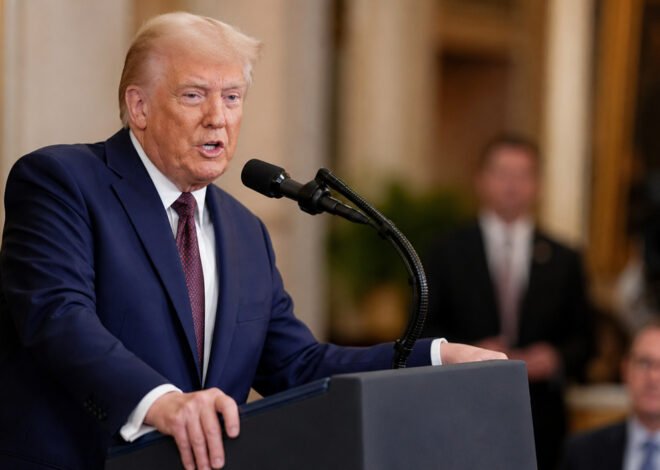
Donald Trump, a figure whose presidency saw significant shifts in Middle East policy, has re-emerged as a vocal commentator on the region’s volatile dynamics. His admonition to Israel and Iran, “don’t blow it,” carries significant weight, given his past role in brokering agreements and his continued influence within certain political circles. The former President’s statement suggests a concern that the current trajectory of actions by either nation could irrevocably damage nascent efforts towards a ceasefire or a broader de-escalation, potentially undoing months or even years of painstaking diplomatic work.
The Stakes of Escalation
The potential consequences of a full-blown conflict between Israel and Iran are dire. Such a war would not only destabilize the immediate region, impacting countries like Lebanon, Syria, and Iraq, but could also severely disrupt global energy markets, given the Middle East’s crucial role in oil production. The humanitarian cost would undoubtedly be catastrophic, with civilian populations bearing the brunt of the violence. International bodies and global powers are watching with bated breath, hoping that cooler heads will prevail and that Trump’s warning will be heeded by the leaders in Jerusalem and Tehran.
Emerging Ceasefire Dynamics
While specific details of the “emerging ceasefire deal” remain largely undisclosed to the public, reports indicate that diplomatic channels have been working to contain the immediate crisis. These efforts likely involve a complex web of negotiations, potentially including back-channel communications facilitated by third-party nations. The success of such initiatives hinges on the willingness of both Israel and Iran to de-escalate, to pull back from the brink, and to engage in meaningful dialogue. Trump’s intervention, whether intended to bolster or disrupt these efforts, underscores the high-stakes nature of the current standoff.
Global Implications
The ripple effects of an intensified Israeli-Iranian conflict would extend far beyond the Middle East. Global economies, already grappling with inflation and supply chain issues, could face further shocks. The international community’s response would also be a critical factor, potentially leading to increased geopolitical realignments and a renewed focus on non-proliferation efforts. The warning from Trump serves as a stark reminder of the interconnectedness of global security and the profound impact that regional conflicts can have on the wider world.
FAQ: People Also Ask
What did Donald Trump warn Israel and Iran about?
Donald Trump warned Israel and Iran “not to blow it,” urging them to exercise restraint amid escalating tensions that threaten emerging ceasefire deals.
Why is the situation between Israel and Iran significant?
The situation is significant due to the potential for a wider regional conflict, which could have severe humanitarian, economic, and geopolitical consequences, including disruption of global energy markets.
What is meant by an “emerging ceasefire deal?”
An emerging ceasefire deal refers to ongoing diplomatic efforts, potentially involving negotiations and back-channel communications, aimed at de-escalating the immediate crisis and preventing further military confrontation between Israel and Iran.
What are the potential consequences of escalation?
Escalation could lead to a devastating regional war, significant humanitarian crises, severe disruption to global energy markets, and broader geopolitical instability.
How has Donald Trump’s past presidency influenced Middle East policy?
During his presidency, Trump implemented significant policy shifts in the Middle East, including the relocation of the U.S. embassy to Jerusalem and brokering the Abraham Accords. His current commentary reflects a continued interest and engagement with the region’s affairs.


Related Posts