US Captures Venezuelan President Maduro in ‘Large-Scale Strike’; Trump Claims Control
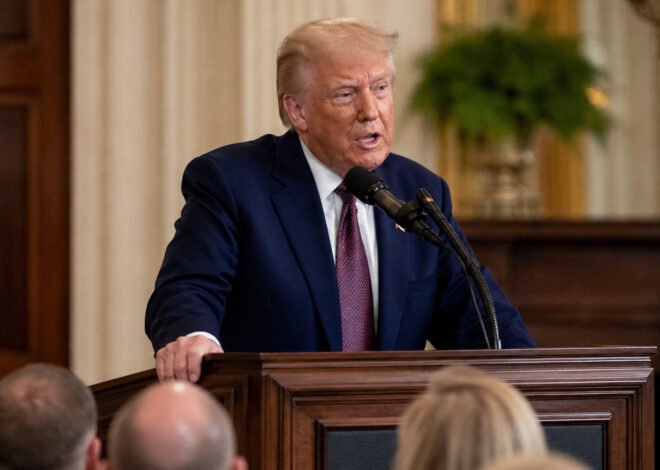
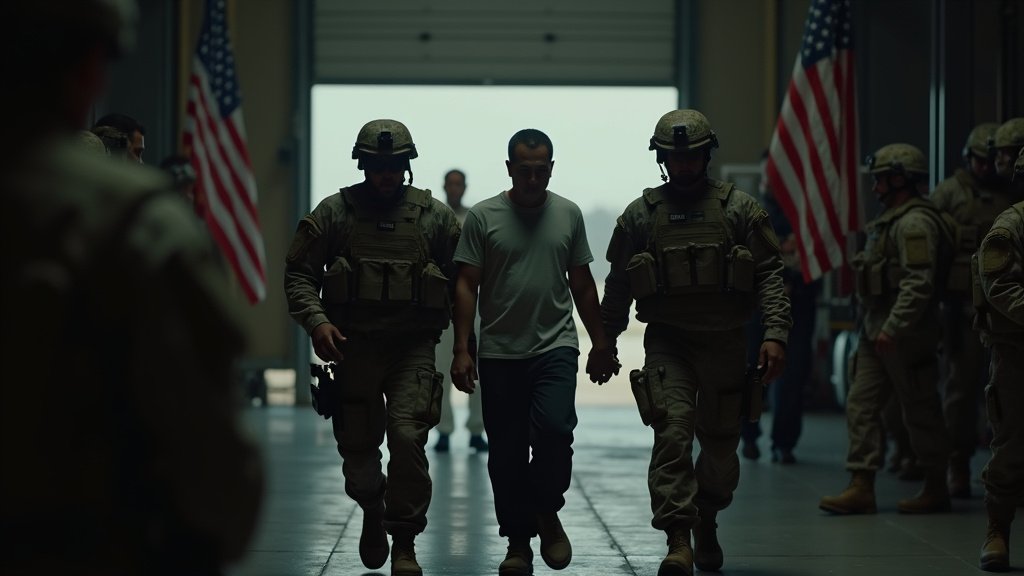
Washington D.C. – In a dramatic and swift military action, the United States has achieved the Maduro capture, apprehending Venezuelan President Nicolás Maduro. President Donald Trump announced the capture on January 3, 2026. He stated the U.S. would temporarily run Venezuela following a large-scale strike against the South American nation, a move that has profoundly impacted US Venezuela relations. Maduro and his wife, Cilia Flores, are now in U.S. custody, facing serious charges in New York. This news has sent shockwaves globally, marking a significant escalation in US Venezuela relations and a pivotal moment in the ongoing debate surrounding the Maduro capture.
Operation Absolute Resolve: The Maduro Capture Unfolds
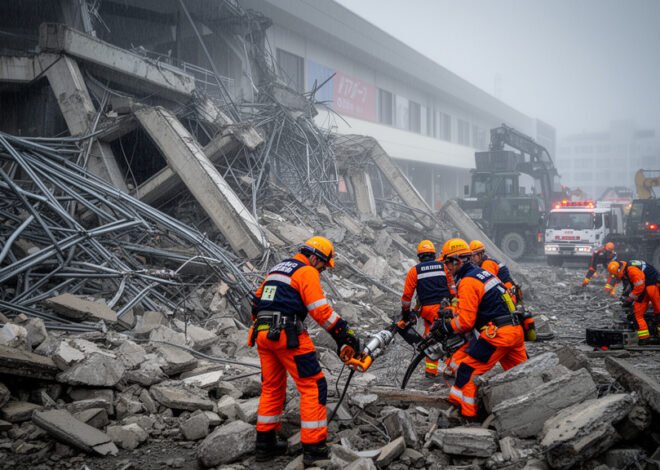
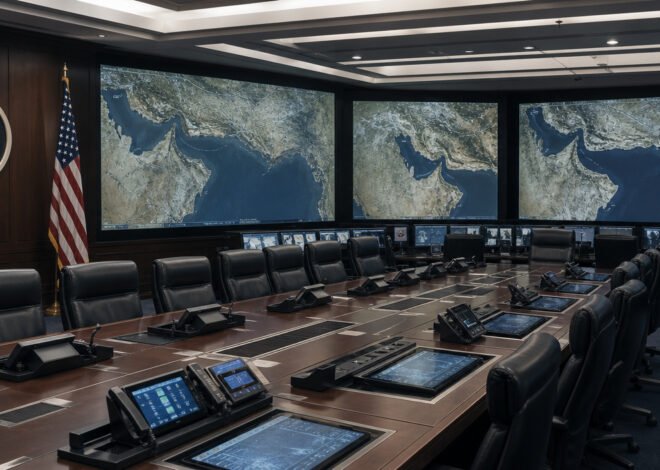
The U.S. military executed a precise operation codenamed “Absolute Resolve.” The strike began early Saturday morning. Explosions were heard across northern Venezuela. More than 150 U.S. aircraft participated. Special Forces landed in the capital, Caracas. They targeted Nicolás Maduro’s compound. President Trump described it as a “highly guarded fortress.” The operation aimed to apprehend Venezuelan President Maduro and his wife, leading to the significant Maduro capture and a new chapter in US Venezuela relations.
Charges and Custody Following the Maduro Capture
Maduro and Flores were flown to New York. They landed at Stewart Air National Guard Base. U.S. Attorney General Pam Bondi announced indictments following the Maduro capture. The charges include narco-terrorism charges. They also face charges for drug trafficking. Additionally, they are accused of conspiring to acquire weapons. Maduro is scheduled to appear in a Manhattan federal court. This follows a previous 2020 indictment on similar charges. U.S. forces captured Maduro in or near one of his safe houses. He was reportedly taken to the Metropolitan Detention Center in Brooklyn. The U.S. government claims to have evidence of his alleged criminal activities. Prosecutors allege he led a vast drug-trafficking network. This network allegedly partnered with dangerous cartels, highlighting the significance of the Maduro capture.
U.S. Claims Control After Maduro Capture
Following the capture, President Trump made bold statements. He declared the U.S. would “run the country.” This US control Venezuela is intended to last until a “safe, proper and judicious transition” occurs. Trump also stated the U.S. would take control of Venezuela’s oil reserves. He believes this will allow for reimbursement for U.S. costs. The administration expressed a desire for peace and justice in Venezuela. Secretary of State Marco Rubio signaled that direct governance was not the plan. However, the U.S. intends to influence policy. This includes enforcing an “oil quarantine.” The success of Operation Absolute Resolve, culminating in the Maduro capture, allows the U.S. to exert this influence over Venezuela and its resources, directly impacting US Venezuela relations.
Global Reactions to Maduro Capture
International responses to the strike have been sharply divided. Allies like China and Russia condemned the U.S. action. They called it a violation of international law. They demanded Maduro’s immediate release. The UN Secretary-General expressed concern over international law. Many European nations called for de-escalation and respect for sovereignty. However, some countries, like Somaliland, supported the intervention. They saw it as a path to a transition. The Venezuelan diaspora in the U.S. held both protests and celebrations. This recent news has created global division, all stemming from the Maduro capture and its implications for US Venezuela relations.
Venezuela’s Response and Interim Leadership Post-Maduro Capture
Venezuela’s vice president, Delcy Rodríguez, denounced the capture. She called it a “kidnapping.” She demanded proof of life for Maduro and Flores. Later, Venezuela’s high court named Vice President Delcy Rodríguez as interim president. This followed a Supreme Court ruling. Rodríguez vowed “unwavering defence” of the nation. She criticized the U.S. military action as “brutal aggression.” However, reports indicate she spoke with Secretary of State Marco Rubio. She expressed willingness to cooperate with Washington. The Venezuelan military also urged citizens to resume normal activities. The country faces deep uncertainty after the pivotal Maduro capture.
A History of Strain Leading to the Maduro Capture
US Venezuela relations have been tense for years. Relations deteriorated significantly under Hugo Chávez. They worsened further under Nicolás Maduro. The U.S. has long accused Maduro of authoritarianism. Sanctions were imposed. Diplomatic pressure mounted. Previous indictments by the U.S. Justice Department targeted Maduro. These accused him of leading a “narco-terrorism” conspiracy. The U.S. ceased recognizing Venezuelan President Maduro as Venezuela’s legitimate president in 2019. Despite this, the U.S. military operation and the subsequent Maduro capture represents an unprecedented step in Donald Trump Venezuela policy.
Uncertain Future Ahead After the Maduro Capture
The capture of Nicolás Maduro is a landmark event. It has ignited significant geopolitical debate. The long-term implications for Venezuela remain unclear. Questions persist about the future of its government and its vast oil resources. The global news continues to unfold rapidly. The world watches how this situation will develop, all following the significant Maduro capture and its impact on US Venezuela relations.


Related Posts