US Escalates: 11th Night of Iran Strikes; Trump Eyes Nuclear Site
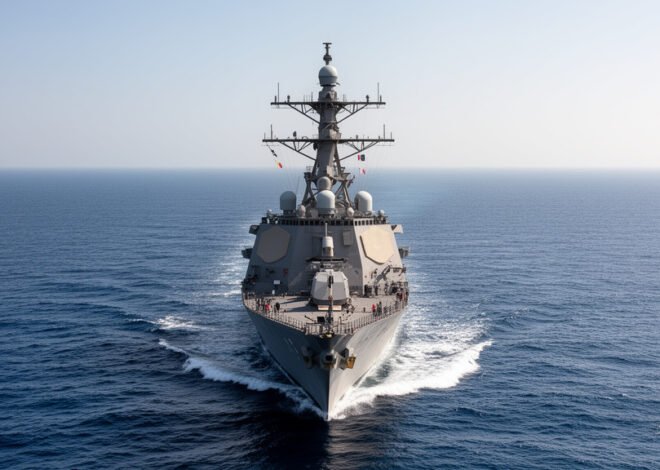
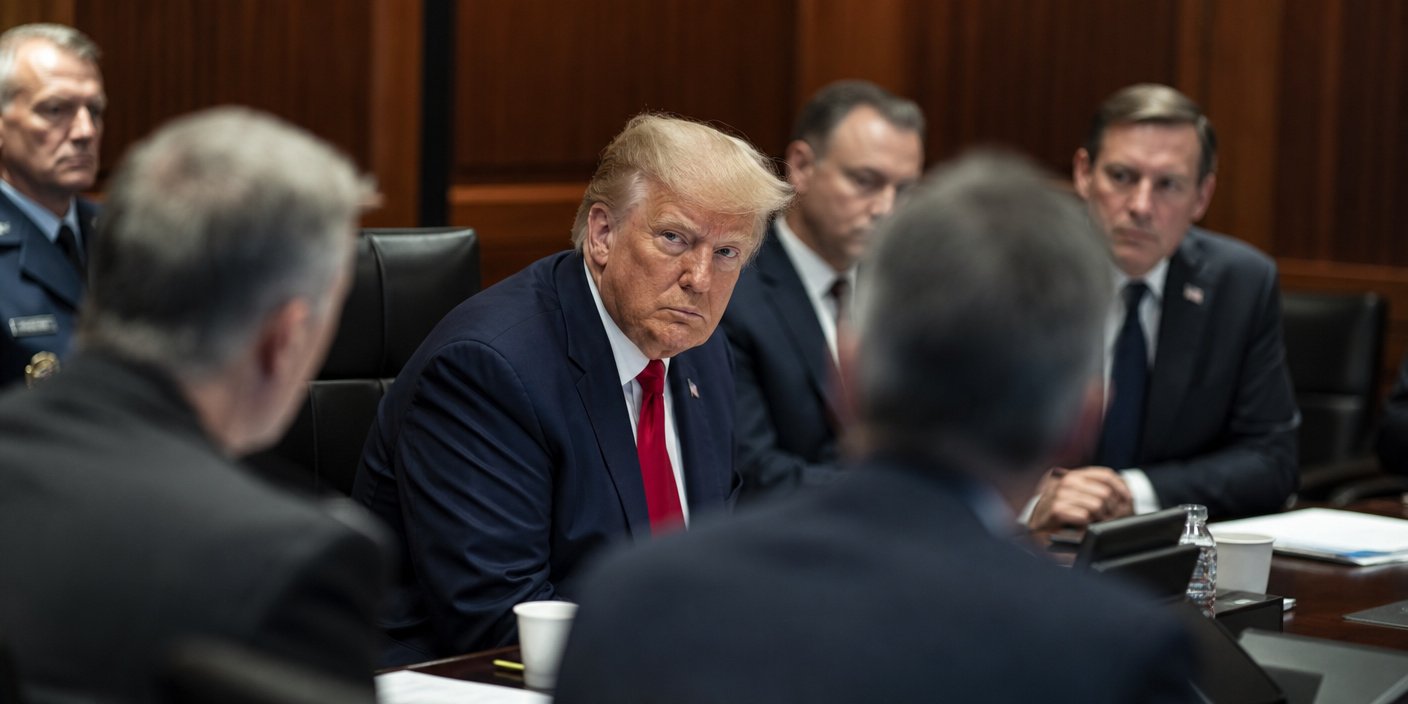
The United States has entered the 11th consecutive night of a sustained air campaign targeting critical Iranian infrastructure, marking one of the most prolonged and intensive military engagements in the region in decades. As the skies over key strategic nodes remain filled with allied sorties, the volatility has reached a fever pitch. President Trump, in a sharply worded directive, has openly threatened to target ‘Pickaxe Mountain,’ a heavily fortified Iranian nuclear facility, signaling a drastic escalation in rhetoric that has left international observers and diplomatic envoys scrambling to assess the reality of the threat. This military operation, now stretching deep into its second week, shows no sign of de-escalation as diplomatic channels remain effectively paralyzed.
Key Highlights
- 11-Night Sustained Campaign: The US military has maintained a persistent air presence for 11 straight nights, systematically degrading Iranian infrastructure assets.
- The ‘Pickaxe Mountain’ Ultimatum: President Trump has explicitly identified the ‘Pickaxe Mountain’ nuclear facility as a viable target for future kinetic operations.
- Diplomatic Paralysis: All back-channel communication and formal diplomatic efforts to secure a ceasefire or a return to the negotiating table have stalled.
- Market Volatility: Global oil markets and regional security indexes are experiencing extreme fluctuations, reacting to the extended timeframe of the conflict.
The Strategic Siege: Assessing the 11th Night
The persistence of the US-led air campaign has fundamentally altered the security architecture of the Middle East. Unlike previous, short-duration punitive strikes, the current operation—extending into its 11th night—indicates a shift toward a campaign of attrition aimed at eroding the defensive capabilities of the Islamic Revolutionary Guard Corps (IRGC). Military analysts suggest that the extended duration is designed to stretch Iranian air defense resources and expose command-and-control vulnerabilities that were previously shielded during single-night sorties.
Targeting the Nuclear Backbone
By explicitly naming ‘Pickaxe Mountain,’ President Trump has effectively removed the ambiguity that usually characterizes the early stages of military escalation. This facility is long suspected by intelligence agencies to be a critical component in Iran’s nuclear enrichment infrastructure. The threat to target the facility is not merely tactical; it is a profound signal that the US strategy has moved beyond containment and toward the active dismantling of high-value nuclear assets. Intelligence briefings emphasize that the mountainous terrain of the site makes a direct strike complex, requiring heavy ordnance and precise, sustained air superiority—conditions that the 11th night of the current campaign appears to be establishing.
The Breakdown of Diplomatic Channels
Despite efforts by international mediators, including key European allies and regional partners, to establish a de-escalation framework, those efforts have hit a wall. Sources within the State Department indicate that the disconnect between the White House and Tehran is wider than at any point in the last several years. The ‘Pickaxe Mountain’ threat has reportedly caused a freezing of all back-channel negotiations, as Iranian leadership has interpreted the public nature of the threat as an ultimatum that precludes constructive dialogue.
Regional Repercussions and Alliances
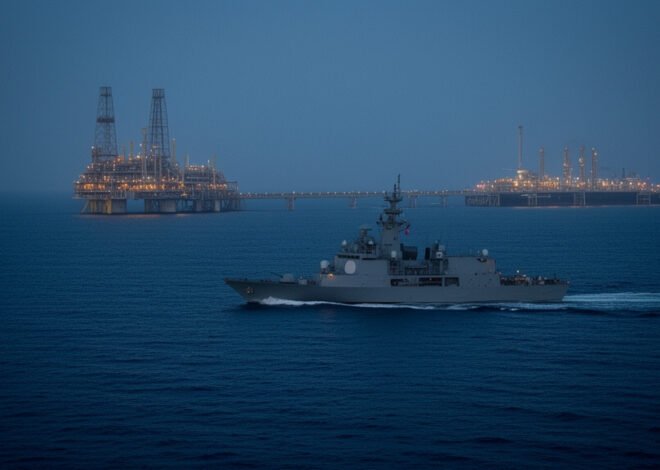
This escalation has put immense pressure on US allies in the region. Israel, Saudi Arabia, and the UAE are currently navigating a precarious situation, balancing their long-standing support for US-led containment of Iranian influence with the immediate, tangible fear that a strike on a major nuclear site could trigger a regional, full-scale war. The intelligence community is currently monitoring shifts in IRGC deployment, specifically looking for signs of retaliatory posture along the Persian Gulf, a traditional flashpoint for maritime volatility.
Economic Implications of Protracted Conflict
The 11th night of strikes has sent shockwaves through global energy markets. With the potential for the conflict to impact maritime transit through the Strait of Hormuz, oil futures have spiked, reflecting the market’s pricing-in of a ‘worst-case scenario.’ While the US administration has expressed confidence in its ability to contain the conflict, investors are increasingly skeptical. Energy analysts suggest that as long as the ‘Pickaxe Mountain’ facility remains a focal point of US rhetoric, risk premiums on global energy will remain elevated, contributing to inflationary pressures across Western economies.
FAQ: People Also Ask
Q: What is ‘Pickaxe Mountain’ and why is it significant?
A: ‘Pickaxe Mountain’ is a designation used in recent intelligence assessments to identify a highly fortified Iranian facility believed to house critical nuclear enrichment infrastructure. Its significance lies in its strategic defensive design, making it a high-value, albeit difficult, target.
Q: How does this 11-night campaign differ from past US strikes?
A: Unlike previous strikes, which were often ‘one-and-done’ or limited to a specific localized event, this campaign is a sustained, long-term operation designed to systematically dismantle infrastructure over an extended period, signaling a major shift in military doctrine.
Q: What happens if the US actually targets the nuclear site?
A: Military experts suggest that a strike on an active nuclear facility could lead to significant radioactive fallout and a massive, unconventional response from Iranian-backed proxies across the region, potentially triggering a wider, non-linear conflict.
Q: Are there any ongoing negotiations?
A: At this moment, diplomacy is effectively stalled. The public nature of the threats and the intensity of the military operations have caused both sides to withdraw from back-channel communications, leaving no clear path to immediate de-escalation.


Related Posts