
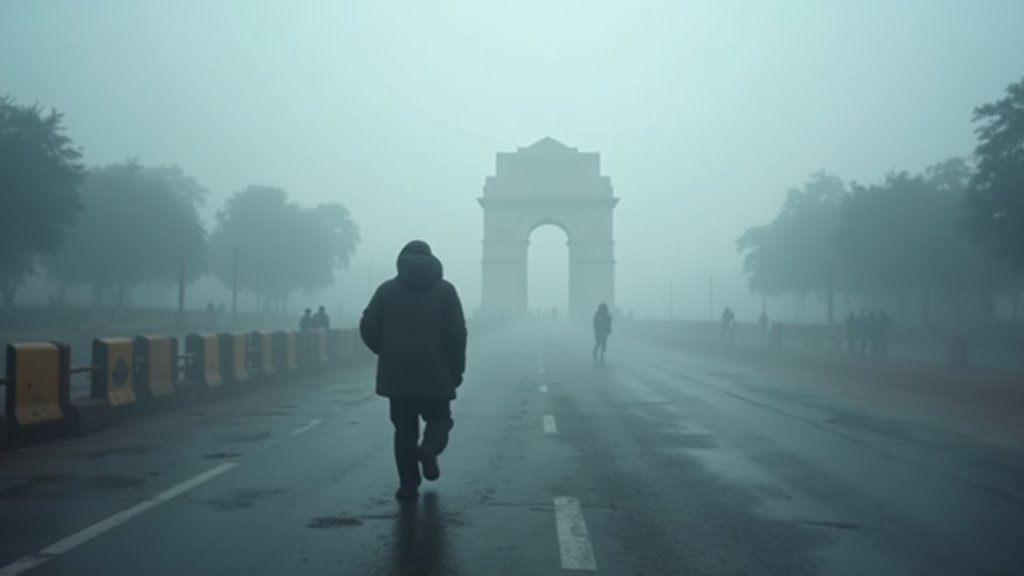
North India Battles Extreme Cold and Fog; Delhi Braces for Republic Day Amidst Security Alert
A severe North India Cold Wave is gripping the region, causing extreme temperatures and impacting daily life across many parts of the country. This intense North India Cold Wave, characterized by dense fog blanketing the plains, has led to significantly reduced visibility. The dangerous travel conditions resulting from this North India Cold Wave have caused major disruptions to roads, railways, and flights. In response to the extreme cold temperatures, many state governments have extended school holiday extension, prioritizing student safety during this harsh winter weather India.
North India Cold Wave and Dense Fog Delhi Conditions
The India Meteorological Department (IMD) has issued critical alerts, warning that cold day conditions are likely to persist in numerous areas due to the ongoing North India Cold Wave. Dense to very dense fog is prevalent, particularly during the morning and night hours, affecting several northern states including Delhi, Uttar Pradesh, Haryana, Punjab, and Rajasthan. Minimum temperatures have plummeted drastically, with some regions experiencing temperatures close to the freezing point, intensifying the harsh winter weather India.
The persistent fog, a hallmark of this North India Cold Wave, creates hazardous travel situations with visibility often reduced to near zero. This directly leads to massive travel disruptions India for transportation networks. Indian Railways is facing severe congestion, with trains running hours behind schedule. Airlines are also experiencing significant delays and cancellations, prompting airports to activate Low Visibility Procedures (LVPs), although not all facilities are equipped for such extreme conditions. The air pollution often mixes with the fog, forming a denser smog that exacerbates visibility issues and prolongs the impact of the North India Cold Wave.
Extended School Holidays Amidst Extreme Cold Temperatures
In response to the relentless North India Cold Wave and its associated extreme cold temperatures, many states have opted to extend school holidays. Delhi, Noida, and Ghaziabad in Uttar Pradesh have kept schools closed for students up to Class 8, with closures extended until at least January 15, 2026. Punjab has also extended its winter breaks, and Jharkhand schools have adjusted timings or closed. These measures are crucial for protecting young students from the biting cold, although parents have voiced concerns about potential academic disruption.
A nationwide road safety awareness campaign is actively underway, aligning with January being observed as National Road Safety Month. This initiative is particularly vital given the hazardous conditions created by the North India Cold Wave and the dense fog Delhi. The campaign emphasizes adherence to traffic rules and aims to reduce road accidents. This national effort is crucial for promoting road safety awareness during periods of extreme winter weather India.
Republic Day Security Amidst National Event Preparations
Simultaneously, New Delhi is intensifying its preparations for Republic Day, with full-dress rehearsals and the practice of marching contingents and cultural tableaux taking place. Amidst these national event preparations, security has been significantly heightened across the capital. Intelligence agencies have issued warnings regarding potential terror threats, adding urgency to the Republic Day security measures. Security agencies are operating on high alert, conducting mock drills in sensitive areas and increasing patrolling and surveillance to ensure smooth national event preparations.
Citizens are urged to remain vigilant as Republic Day security intensifies. Traffic advisories are in effect, causing road closures and diversions in central Delhi during specific hours, further contributing to travel disruptions India. Delhi’s airspace will also experience temporary closures for rehearsals and security measures, impacting numerous flights. These measures are integral to ensuring the safety and success of the national event preparations.
Outlook for the North India Cold Wave
The India Meteorological Department (IMD) forecasts a gradual increase in temperatures, which may offer some respite from the intense North India Cold Wave in the coming days. However, the dense fog is expected to persist, meaning cold nights and foggy mornings are likely to continue. The IMD has issued yellow alerts for several districts, indicating that while the immediate North India Cold Wave might ease, the severe winter conditions are far from over. The nation continues to navigate these challenging winter weather India conditions while preparing for significant national events.

Related Posts