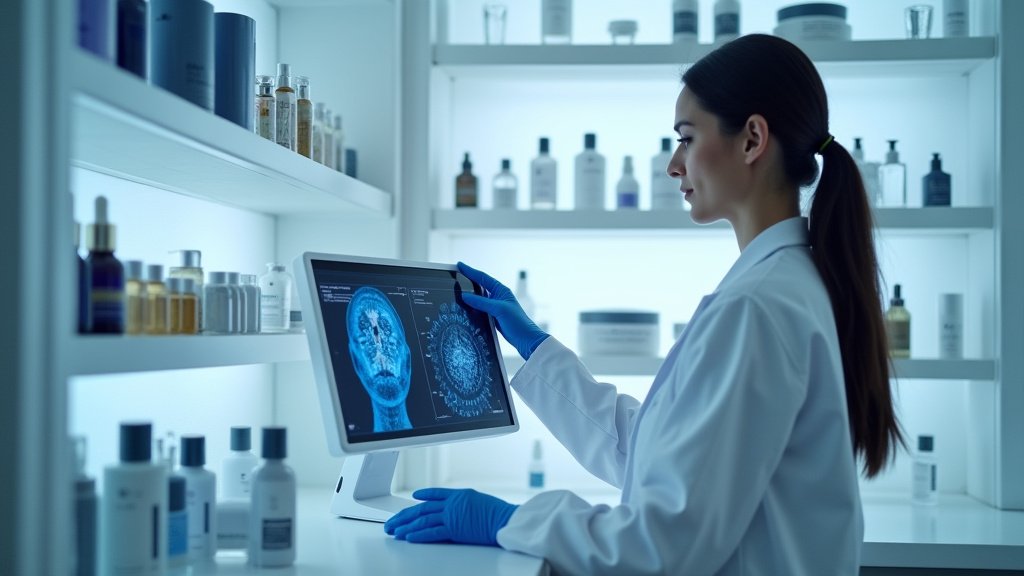
Beyond the Glow: The Science-First Longevity Pivot
The beauty industry is undergoing a seismic shift in July 2026. For decades, the multi-billion dollar sector thrived on the nebulous promise of “anti-aging”—a marketing term that, by current standards, is increasingly viewed as both misleading and scientifically obsolete. In its place, a new paradigm has emerged: cellular health. This transition is not merely cosmetic; it is a fundamental pivot toward evidence-based biology, driven by intense scrutiny from regulatory bodies and a more scientifically literate consumer base that demands measurable, tangible health outcomes rather than subjective aesthetic promises.
The End of the ‘Anti-Aging’ Moniker
For years, the industry relied on the psychological appeal of reversing time. However, as of mid-2026, major multinational beauty conglomerates, including L’Oreal and Estée Lauder, have begun phasing out “anti-aging” terminology from product labeling. This shift follows a series of high-profile FTC inquiries earlier this year, which targeted claims that lacked robust, clinical-grade evidence. The consensus among dermatologists and biotech researchers is clear: aging is a systemic biological process, and the goal of modern topical care is not to reverse time, but to optimize cellular function and resilience.
The Regulatory Tsunami
The pivot is not entirely voluntary. Regulatory bodies worldwide have intensified their focus on the bio-claims made by cosmetic manufacturers. In the United States, the FDA’s 2026 guidelines on “functional cosmetics” now mandate that any product claiming to alter cellular behavior—such as increasing collagen production or promoting autophagy—must provide data comparable to that required for medical-grade topicals. This has caused a massive contraction in the market for “miracle creams,” as brands scramble to either validate their ingredients through clinical trials or rebrand to comply with the new “Cellular Support” labeling requirements.
The Rise of Senolytics in Skincare
The core of the new “cellular health” movement is the application of senolytic science to the skin barrier. Senolytics are agents that induce the death of senescent cells—”zombie cells” that have stopped dividing but continue to release inflammatory signals that damage surrounding tissue. Leading biotech-beauty startups, many of which have secured Series C funding in Q2 2026, are now incorporating synthesized senolytic compounds like quercetin derivatives and fisetin-based formulas into high-end serums. Unlike the superficial moisturizers of the past, these products are marketed based on their ability to improve cellular turnover and reduce inflammation, verified by non-invasive biomarkers like skin-surface cytokine monitoring.
Consumer Literacy and the Biomarker Era
Today’s consumer is far more equipped to vet these claims. With the ubiquity of AI-driven skin diagnostic tools and consumer-grade biomarker tracking apps, customers are no longer accepting “glow” as a proxy for health. Instead, they are measuring transepidermal water loss (TEWL), microbiome diversity, and inflammation markers over 30, 60, and 90-day periods. This data-driven approach has created an economic divide in the beauty sector: companies that invest in heavy R&D and clinical transparency are thriving, while those relying on traditional celebrity-endorsed marketing campaigns are seeing a 15-20% year-over-year decline in market share among Gen Z and Millennial demographics.
The Economic and Clinical Crossroads
The economic impact of this transition is staggering. The global market for longevity-focused topical care is projected to reach $92 billion by 2030, a figure that hinges entirely on the industry’s ability to maintain credibility. Investment firms are now prioritizing biotech-integrated beauty brands, viewing them as long-term assets rather than fleeting trends. This “clinicalization” of beauty is essentially creating a new sector that sits between traditional pharmacy-shelf cosmetics and medical dermatology, forcing a massive reallocation of corporate budgets from marketing to clinical research and development.
Future Outlook: AI and Personalized Biology
Looking beyond 2026, the intersection of longevity and beauty will likely be defined by hyper-personalization. Research published in the Journal of Investigative Dermatology (July 2026) suggests that the next frontier is genomic-based skincare, where products are formulated to address an individual’s specific cellular decline. While this technology is currently in the late-stage pilot phase, its arrival will likely signal the final death knell for mass-market, one-size-fits-all “anti-aging” creams.
FAQ: People Also Ask
Q: What is the main difference between ‘anti-aging’ and ‘cellular health’ marketing?
A: ‘Anti-aging’ is a marketing concept that implies a reversal of time, often without clinical grounding. ‘Cellular health’ focuses on scientifically verifiable processes, such as supporting mitochondrial function, reducing cellular senescence, and strengthening the skin barrier at a structural level.
Q: Are these new cellular health products FDA-approved?
A: Cosmetics are not typically subject to the same pre-market approval as drugs. However, the new 2026 guidelines require companies to hold substantial clinical evidence for any functional claims. If a product claims to alter the structure or function of the skin, it faces much stricter scrutiny and potential reclassification as a drug if it cannot provide the necessary clinical data.
Q: Should I stop using my current skincare products?
A: Not necessarily. Many traditional products function well as moisturizers or protectants. The current trend suggests you should shift your focus toward products that provide transparent data regarding their active ingredients and their specific mechanisms of action, rather than products relying on vague, results-oriented marketing buzzwords.


Related Posts