East Side Wellness: Free Health and School Support Event
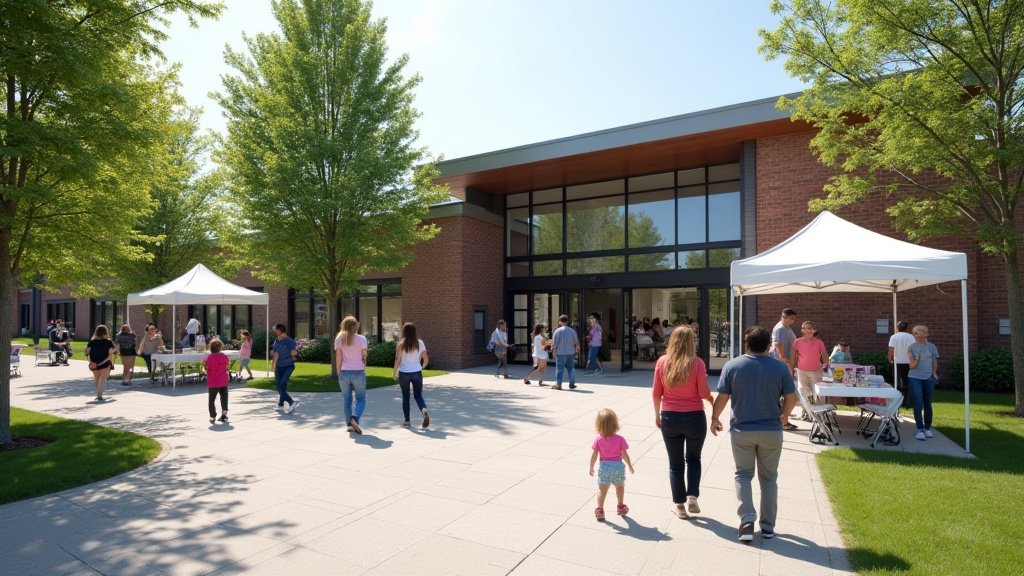
Families from across Saint Paul are converging on the Arlington Hills Community Center this week for the highly anticipated ‘Pathways to Wellness’ event, a comprehensive initiative designed to address the dual needs of family health resources and back-to-school readiness. By centralizing essential services, the event serves as a critical node of support for the East Side, bringing together a robust coalition of over 25 local organizations to ensure that children return to the classroom both physically healthy and academically prepared. The Pathways to Wellness event stands as a testament to the power of localized, community-centric public health strategies in addressing persistent socioeconomic barriers to wellness.
Key Highlights
- Integrated Service Delivery: The event uniquely combines preventative health screenings with tangible back-to-school support, maximizing impact for attendees.
- Community Coalition: A massive collaborative effort involving over 25 local organizations, government entities, and private non-profits.
- Addressing Disparities: Targeted focus on the Saint Paul East Side, a region historically underserved regarding direct access to comprehensive, low-barrier health resources.
- Education and Readiness: Beyond physical health, the event provides supplies and educational resources to ensure students are prepared for the upcoming academic year.
Bridging the Gap: The Intersection of Health and Education
The fundamental premise of the Pathways to Wellness event is that health and education are inextricably linked. For many families in the East Side of Saint Paul, the logistical and financial barriers to obtaining timely immunizations, dental checks, and physicals can often conflict with the immediate financial pressures of preparing children for school. By hosting this event at the Arlington Hills Community Center, organizers are actively removing these barriers.
A Blueprint for Community Resilience
This initiative serves as a model for urban health accessibility. By utilizing a community hub—a space familiar and accessible to local residents—the event reduces the intimidation factor often associated with clinical settings. When families walk into the center, they are not met with the bureaucracy of a traditional health department but rather a curated, supportive environment tailored to their neighborhood’s specific demographic and linguistic needs. This is critical for building trust, particularly among immigrant communities and families who may have historically felt alienated by mainstream healthcare systems.
Beyond the Event: Long-term Impact
While the immediate value lies in the provision of school supplies, vision tests, and health screenings, the long-term impact is structural. Data consistently shows that students who enter the classroom with unaddressed health issues—such as undiagnosed vision problems or poor nutritional health—face significant learning deficits. By facilitating these screenings en masse, the Pathways to Wellness event effectively functions as an early intervention strategy for the Saint Paul school system, setting a foundation for improved academic outcomes throughout the year.
Strategic Partnerships: The Power of 25+ Organizations
The scale of this event is defined by its logistics. Coordinating over 25 organizations requires a complex “web” of entities, ranging from local health clinics and pharmacies to community outreach groups and educational advocacy nonprofits. This collaborative ecosystem is the hallmark of the Pathways to Wellness framework. No single entity could provide the breadth of services offered; it requires the synergy of diverse stakeholders.
Navigating Localized Health Disparities
Local health statistics for the East Side have long indicated a need for greater outreach. The disparities in health outcomes, often driven by a lack of primary care physician density in the immediate neighborhood, are being directly challenged by this mobile-clinic style gathering. The organizations involved are not merely showing up; they are providing on-the-spot services—immunizations, mental health resource pamphlets, insurance navigation help, and physical exams—that would otherwise take weeks for a family to coordinate individually.
Future Trends in Community Wellness
As we look toward the future, the Pathways to Wellness model suggests a shift in public health. The “central hub” strategy is gaining traction across the United States as a viable solution to the “desert effect” in urban healthcare. Future iterations of this event are expected to incorporate more advanced tele-health stations and expanded mental health triage, reflecting the evolving needs of the Saint Paul community. As these partnerships solidify, the expectation is that this event will transition from an annual occurrence to a year-round resource network, utilizing the digital infrastructure established during this initial phase.
FAQ: People Also Ask
What specific health services are offered at the Pathways to Wellness event?
While offerings vary annually, the core services typically include routine physical exams, immunizations, dental screenings, vision and hearing tests, and mental health resource distribution. The event focuses on preventative care that ensures students meet state-mandated health requirements for school enrollment.
Do I need to be a resident of the East Side to attend?
While the event is primarily targeted at East Side families, the Arlington Hills Community Center is a public space. Organizers generally welcome any Saint Paul resident in need of services, though resources such as back-to-school supplies may be prioritized based on local need and supply availability.
Is there a cost associated with these services?
No. The Pathways to Wellness initiative is explicitly designed to be free of charge. The participating organizations secure funding through grants, municipal support, and private donations, ensuring that cost is never a barrier to entry for the families attending.
How can families prepare for the event?
It is recommended that families bring their children’s immunization records and any specific paperwork required by the school district for health documentation. Arriving early is encouraged, as high demand for school supplies and screenings often results in significant attendance.


Related Posts