Kroger Launches Massive 2026 Wellness Tour: A New Era of Retail Health
Kroger is fundamentally repositioning the American grocery experience by launching the 2026 Kroger Wellness Tour, a month-long, nationwide initiative that aims to bridge the gap between traditional retail and preventative healthcare. Beginning in September 2026, the retail giant will deploy a series of in-store activations every Friday and Saturday, complemented by high-profile community mini-festivals in Nashville, Houston, Phoenix, and Salt Lake City. This strategic move signals an aggressive expansion of Kroger’s ‘Food as Medicine’ platform, designed to bring tangible health resources directly into the neighborhoods they serve rather than expecting consumers to visit traditional clinical settings.
Key Highlights
- National Rollout: The 2026 Kroger Wellness Tour kicks off in September 2026, with health-focused activations occurring every Friday and Saturday throughout the month.
- Community Mini-Fests: Four flagship event locations—Nashville, Houston, Phoenix, and Salt Lake City—will host intensive mini-festival experiences providing localized health resources and screenings.
- Health-First Strategy: The initiative emphasizes Kroger Health’s mission to integrate nutrition with medical care, focusing on accessibility, chronic disease prevention, and community wellness education.
The Evolution of Retail Healthcare: The 2026 Wellness Tour
The announcement of the 2026 Kroger Wellness Tour is not merely a marketing campaign; it represents a calculated shift in the ‘Food as Medicine’ movement that Kroger has been pioneering for the better part of the decade. By utilizing their massive retail footprint as a community hub, Kroger is addressing a critical disconnect in the American healthcare system: the lack of accessible nutrition counseling and preventative care for the average shopper.
Integrating Nutrition into Clinical Pathways
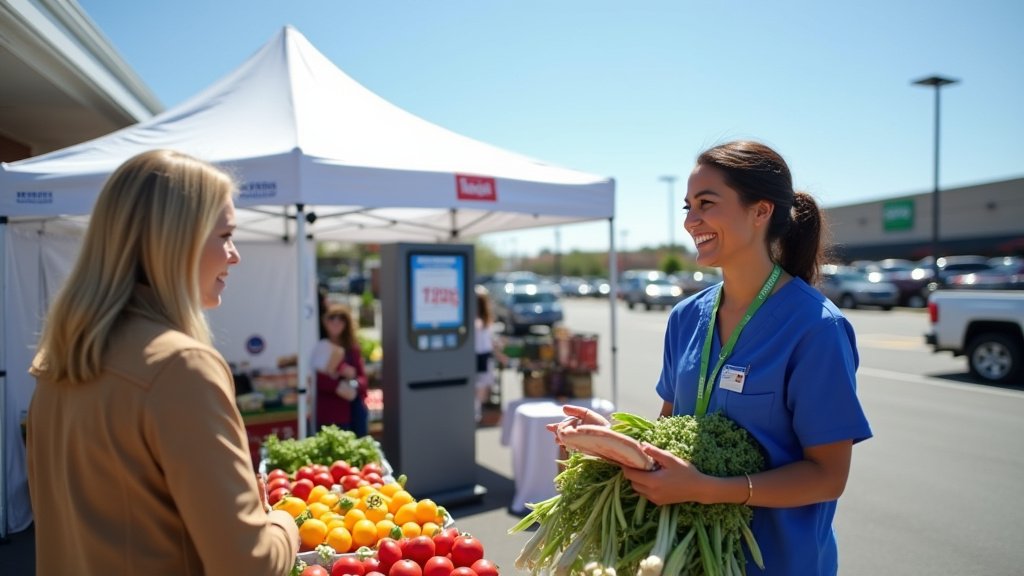
For years, Kroger Health has worked to integrate pharmacy services with grocery aisles, but the 2026 initiative takes this further. By deploying dedicated teams to stores every Friday and Saturday in September, the company is creating predictable access points for consumers. These activations are designed to bypass the traditional barriers of clinical healthcare—appointments, co-pays, and travel time—bringing registered dietitians and health professionals into the aisles where purchase decisions are actually made. The data-driven nature of this tour suggests that Kroger is collecting valuable metrics on regional health priorities, which will likely inform their inventory decisions for the remainder of the decade.
The Four-City Blueprint: Why Nashville, Houston, Phoenix, and Salt Lake City?
The selection of Nashville, Houston, Phoenix, and Salt Lake City as host cities for the flagship mini-fests is a deliberate geographic and demographic decision. Each of these cities represents a high-growth market with unique health challenges. Nashville provides a hub for the Southeast’s health tech sector; Houston offers a diverse, massive population base dealing with significant metabolic health trends; Phoenix serves as a critical desert climate market; and Salt Lake City offers insight into the mountain-west health demographic.
These mini-fests are engineered to be interactive, moving beyond simple static displays. They will incorporate biometric screenings, local health partner collaborations, and, crucially, recipe demonstrations that translate clinical nutritional advice into practical, home-cooked meal solutions. This is the cornerstone of Kroger’s strategy: proving that wellness is sustainable only when it is accessible and culturally relevant to the community.
Scaling the ‘Food as Medicine’ Vision
The broader implications for the grocery industry are profound. As traditional retailers struggle to compete with online delivery services, Kroger is betting that ‘Health as a Service’ is the differentiator that will secure long-term customer loyalty. If the September 2026 pilot proves successful, it is highly likely that this model will be adopted across the company’s entire national chain of banners. The tour acts as a stress test for a decentralized healthcare delivery model, where the local grocery store becomes the first line of defense in managing community health outcomes. By embedding these services into the weekly shopping routine, Kroger is effectively lowering the barrier to entry for preventative health, turning a chore into a consultation.


Related Posts