
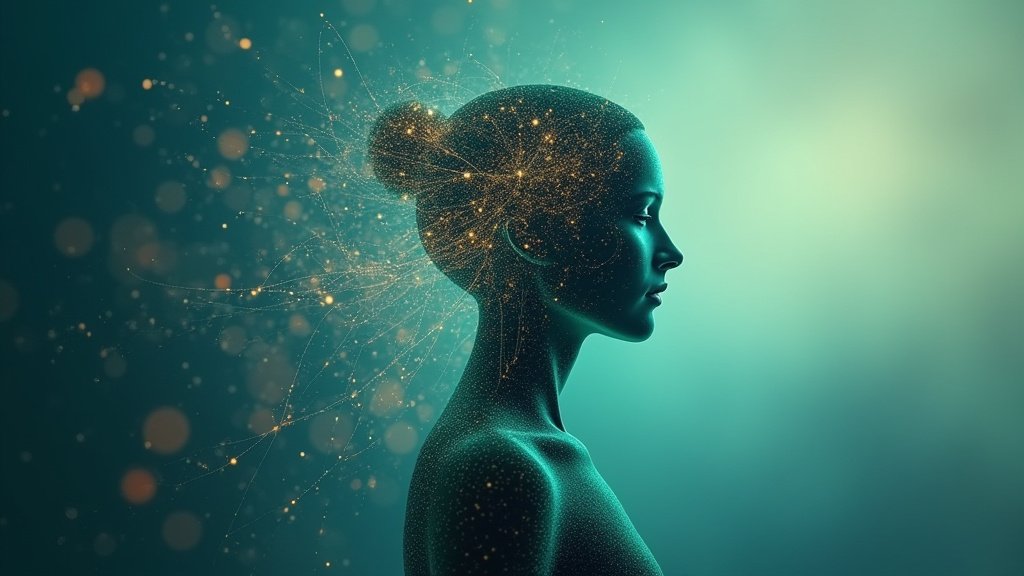
Wellness 2026: Tech, Longevity & Mental Health
The wellness industry is set to undergo a significant transformation by 2026, driven by advancements in technology, a growing focus on longevity, and an intensified emphasis on mental health.
Key Highlights:
- Wearable technology will become more sophisticated, offering deeper insights into personal health metrics.
- Longevity science will move beyond theoretical research into practical applications for everyday consumers.
- Mental wellness tools and services will become more accessible and integrated into daily routines.
- Personalized nutrition and fitness plans, powered by AI, will gain widespread adoption.
The Evolving Landscape of Personal Health
The coming years promise a paradigm shift in how individuals approach their well-being, with “The Future of Wellness 2026” trends pointing towards a more integrated, data-driven, and personalized experience. At the forefront of this evolution is the pervasive influence of technology, which is no longer just a tool for convenience but a fundamental enabler of proactive health management. Wearable devices, poised for significant upgrades, will offer real-time, comprehensive monitoring of vital signs, sleep patterns, stress levels, and even early indicators of illness. This granular data will empower consumers to make more informed decisions about their lifestyle and seek timely medical interventions. Companies like Apple and Fitbit are expected to lead this charge with more advanced biosensors and AI-driven analytical capabilities, transforming our wrists into sophisticated health dashboards.
Longevity: From Science Fiction to Lifestyle Choice
Beyond immediate health tracking, the science of longevity is rapidly maturing, moving from the realm of academic research into tangible consumer applications. Breakthroughs in cellular rejuvenation, gene editing (CRISPR), and understanding the aging process are paving the way for interventions that aim not just to extend lifespan but to enhance healthspan – the period of life spent in good health. Nutraceuticals, tailored supplements, and specialized diets designed to combat age-related decline will become increasingly common. Organizations like the Buck Institute for Research on Aging are at the forefront of this movement, with their research directly influencing product development. The focus will shift from merely treating age-related diseases to preventing them by optimizing cellular function and resilience.
The Mental Health Imperative
Perhaps one of the most significant shifts will be in the accessibility and integration of mental health support. The lingering effects of global events have amplified the need for robust mental wellness solutions. By 2026, expect a surge in AI-powered mental health apps offering personalized therapy, mindfulness exercises, and stress management techniques. Teletherapy platforms will become even more mainstream, breaking down geographical barriers to care. There will also be a greater emphasis on integrating mental wellness into corporate cultures and educational institutions, recognizing its critical role in overall productivity and quality of life. Companies specializing in digital therapeutics, such as Headspace Health and Calm, are already leading the way in making these services scalable and user-friendly.
Personalized Pathways to Health
The one-size-fits-all approach to health and fitness is rapidly becoming obsolete. The future of wellness in 2026 is deeply rooted in personalization, driven by AI and machine learning. By analyzing an individual’s genetic makeup, microbiome, lifestyle data, and real-time biometric feedback, AI algorithms will be able to generate highly customized nutrition plans, exercise regimens, and even sleep schedules. This hyper-personalization extends to preventative care, with AI identifying individual risk factors for various conditions and recommending tailored strategies to mitigate them. This trend is supported by the growing capabilities of platforms like MyFitnessPal and the research being conducted by institutions focusing on personalized medicine.
FAQ: People Also Ask
What are the most significant technological advancements expected in wellness by 2026?
By 2026, significant technological advancements in wellness are expected to include more sophisticated wearable biosensors for comprehensive health monitoring, AI-driven personalized health insights and coaching, and wider adoption of telehealth for both physical and mental health services.
How will the concept of longevity evolve in the wellness industry?
Longevity in the wellness industry will evolve from simply extending lifespan to enhancing healthspan. This will involve practical applications of cellular rejuvenation research, targeted nutraceuticals, and personalized lifestyle interventions aimed at maintaining vitality and function as individuals age.
What role will AI play in mental wellness by 2026?
AI will play a crucial role in mental wellness by powering personalized therapy applications, chatbots for emotional support, predictive analytics for early detection of mental health issues, and customized mindfulness and stress-reduction programs, making mental health support more accessible and tailored.
How will personalization impact fitness and nutrition by 2026?
Personalization will deeply impact fitness and nutrition by leveraging AI to analyze individual genetic data, lifestyle habits, and real-time health metrics. This will lead to highly customized diet plans, exercise routines, and supplement recommendations, moving away from generic advice towards optimized, individual-specific wellness strategies.
Are there specific companies leading the charge in these future wellness trends?
Yes, several companies are at the forefront. In wearables, Apple and Fitbit are key players. For longevity research influencing consumer products, entities like the Buck Institute are foundational. In mental wellness apps, Headspace Health and Calm are prominent. The broader trend of AI-driven personalization is being shaped by tech giants and numerous health-tech startups.


Related Posts