U.S. Intercepts Venezuelan Oil Tankers, Intensifying Global Pressure on Maduro Regime
The U.S. is intensifying its pressure campaign against Venezuela, specifically targeting Venezuelan oil tankers. This involves intercepting these vessels. The U.S. military pursued two oil tankers near Venezuela recently. These actions aim to increase pressure on President Nicolás Maduro and cut off vital revenue streams for the Maduro regime pressure. The operations highlight the complexities surrounding Venezuelan oil tankers and the global trade they facilitate.
Escalation of U.S. Pressure on Venezuelan Oil Tankers
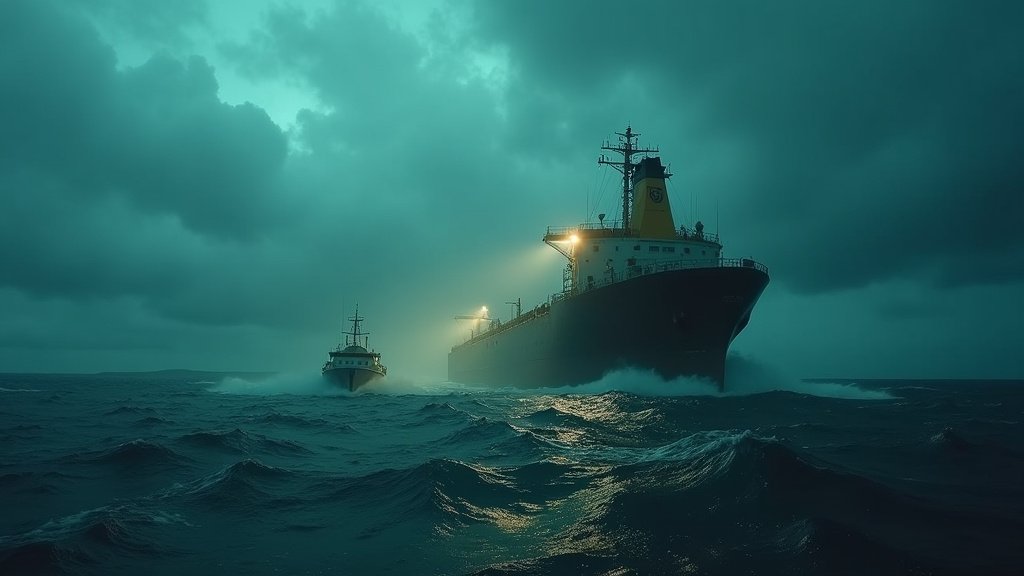
The U.S. Coast Guard intercepted a tanker over the weekend. The vessel was the Centuries, a Chinese-owned and Panamanian-flagged ship. The U.S. also pursued another tanker, the Bella 1, which was heading to Venezuela to pick up oil. This marks an escalation in U.S. efforts to disrupt oil exports, a critical revenue source for the Venezuelan government. The U.S. previously seized the tanker Skipper this month. These actions are part of a broader strategy by the U.S. to enforce sanctions against Venezuela and disrupt its oil trade. President Donald Trump ordered a blockade targeting sanctioned oil tankers entering or leaving Venezuela, further increasing scrutiny on Venezuelan oil tankers.
The “Shadow Fleet” and Sanctions Evasion by Venezuelan Oil Tankers
Many of these tankers are part of Venezuela’s “shadow fleet”, which utilizes older ships with opaque ownership structures and often flies false flags to evade international sanctions. The U.S. Treasury has sanctioned numerous such vessels, some linked to Iran and Hezbollah. The Bella 1 itself is under US sanctions Venezuela, having previously been designated under the name Adisa and linked to Iranian oil trade. The U.S. views these vessels as tools for illicit oil trafficking that funds destabilizing activities. Interdicting these Venezuelan oil tankers is a key tactic to choke off this funding. The use of this shadow fleet is a direct response to PDVSA sanctions.
Background and Context of Sanctions on Venezuelan Oil
The U.S. has maintained sanctions on Venezuela since 2015, citing human rights abuses and the undermining of democratic institutions. These sanctions were expanded over time, with Petróleos de Venezuela, S.A. (PDVSA) being designated in 2019, targeting its central role in the oil sector. Executive Order 13884 blocked all Venezuelan government property, creating a comprehensive framework for revenue denial and fiscal pressure on the regime. Despite Venezuela’s vast oil reserves, output is significantly limited by sanctions, well below its production capacity. The focus on Venezuelan oil tankers is a direct consequence of these long-standing economic measures.
Implications and Reactions to Seizures of Venezuelan Oil Tankers
These interdictions of Venezuelan oil tankers signal a significant shift towards more assertive sanctions enforcement in the maritime domain. This enhanced maritime security Venezuela impacts oil exports, weakening the Maduro government’s financial grip and patronage system. Venezuela’s government condemned the actions, calling them “theft and kidnapping” and “international piracy”, a claim that resonates with concerns about international piracy claim. China also criticized the seizures, labeling them a “serious violation”. The U.S. asserts that the oil funds narco-terrorism and that they are committed to stopping this illicit movement. The intensified focus on Venezuelan oil tankers coincides with a substantial U.S. naval deployment in the Caribbean, the largest since 1962.
Conclusion: The Ongoing Standoff Over Venezuelan Oil Tankers
The U.S. is applying significant pressure, targeting Venezuela’s oil revenue through actions like the recent seizures of Venezuelan oil tankers. These operations involve both sanctioned and unsanctioned vessels, with the overarching goal of isolating the Maduro regime pressure. The “shadow fleet” and the evasion tactics employed by those operating Venezuelan oil tankers are a major focus of these enforcement efforts. These global events underscore the persistent tensions surrounding Venezuela’s oil and the ongoing conflict over its trade. The U.S. plans further enforcement actions, making the situation regarding Venezuelan oil tankers a continually developing story.


Related Posts