US Military Strikes Kill 8 in Eastern Pacific; Scrutiny Mounts
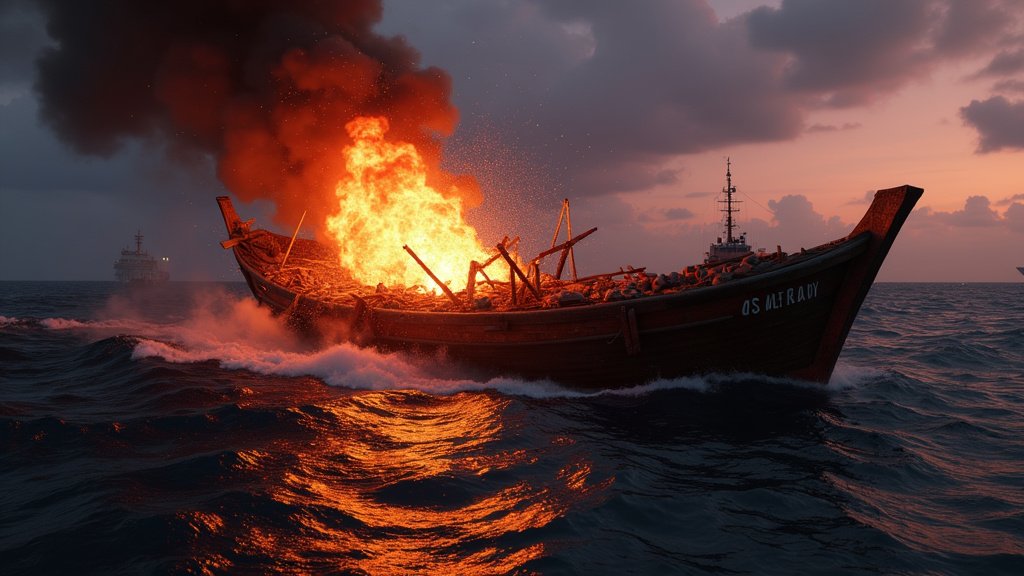
The U.S. military conducted deadly **US Military Strikes**, hitting three boats in the eastern Pacific Ocean and resulting in eight fatalities. This is the latest development in an ongoing military campaign, as announced by U.S. Southern Command on Monday. The military stated that the targeted boats were designated terrorist organizations allegedly engaged in narco-trafficking. These **US Military Strikes** occurred on December 15, 2025, with three individuals perishing on each of the three vessels. While the military did not provide direct proof of drug trafficking at the time, they did release a video depicting one of the boats exploding. This event intensifies scrutiny in Congress, with questions swirling around these recent boat strikes. The U.S. military initiated this campaign in September 2025, specifically targeting suspected drug-smuggling vessels, and it has since expanded its reach to the eastern Pacific and the Caribbean Sea. This military action faces growing controversy, with lawmakers questioning the legal authority and the evidence presented. The Trump administration ordered these strikes, with President Trump viewing the efforts as a form of armed conflict aimed at stemming the flow of drugs into the U.S. Recent news highlights the campaign’s significant toll, with at least 95 people having died across 25 strikes and numerous vessels destroyed. The latest **US Military Strikes** underscore these growing concerns. Defense Secretary Pete Hegseth authorized the action, and briefings are scheduled for lawmakers, including Secretary of State Marco Rubio, to discuss the military campaign. The administration has also exerted pressure on Venezuela, with President Nicolás Maduro facing accusations of narco-terrorism. Last week, U.S. forces seized an oil tanker accused of smuggling crude oil, a move Maduro claims is a ploy to remove him from office. The U.S. military presence in the region has demonstrably increased, marked by multiple deadly strikes targeting alleged drug-smuggling boats, particularly in the eastern Pacific, a critical route for illicit trade. The campaign employs escalating tactics to combat drug cartels, which are labeled as terror groups. Some legal experts, however, question the legality of these strikes, suggesting they may contravene international law. This global news highlights a complex issue in U.S. drug interdiction efforts, where the military approach sparks significant debate and raises critical questions about international law. These recent news events illustrate ongoing tensions, although the administration defends its actions, citing compliance with the law of armed conflict. Nevertheless, persistent concerns remain regarding the campaign’s impact, which represents a departure from past practices. The U.S. continues its efforts to disrupt trafficking routes, an endeavor that consistently draws attention due to its far-reaching consequences. The news cycle shows no indication of slowing, and the debate over these tactics will likely persist.
Understanding US Military Strikes in the Eastern Pacific
The Rationale Behind US Military Strikes
The U.S. military conducted deadly **US Military Strikes**, hitting three boats in the eastern Pacific Ocean and resulting in eight fatalities. This is the latest development in an ongoing military campaign, as announced by U.S. Southern Command on Monday. The military stated that the targeted boats were designated terrorist organizations allegedly engaged in narco-trafficking. These **US Military Strikes** occurred on December 15, 2025, with three individuals perishing on each of the three vessels. While the military did not provide direct proof of drug trafficking at the time, they did release a video depicting one of the boats exploding. This event intensifies scrutiny in Congress, with questions swirling around these recent boat strikes. The U.S. military initiated this campaign in September 2025, specifically targeting suspected drug-smuggling vessels, and it has since expanded its reach to the eastern Pacific and the Caribbean Sea. This military action faces growing controversy, with lawmakers questioning the legal authority and the evidence presented. The Trump administration ordered these strikes, with President Trump viewing the efforts as a form of armed conflict aimed at stemming the flow of drugs into the U.S. Recent news highlights the campaign’s significant toll, with at least 95 people having died across 25 strikes and numerous vessels destroyed. The latest **US Military Strikes** underscore these growing concerns. Defense Secretary Pete Hegseth authorized the action, and briefings are scheduled for lawmakers, including Secretary of State Marco Rubio, to discuss the military campaign. The administration has also exerted pressure on Venezuela, with President Nicolás Maduro facing accusations of narco-terrorism. Last week, U.S. forces seized an oil tanker accused of smuggling crude oil, a move Maduro claims is a ploy to remove him from office. The U.S. military presence in the region has demonstrably increased, marked by multiple deadly strikes targeting alleged drug-smuggling boats, particularly in the eastern Pacific, a critical route for illicit trade. The campaign employs escalating tactics to combat drug cartels, which are labeled as terror groups. Some legal experts, however, question the legality of these strikes, suggesting they may contravene international law. This global news highlights a complex issue in U.S. drug interdiction efforts, where the military approach sparks significant debate and raises critical questions about international law. These recent news events illustrate ongoing tensions, although the administration defends its actions, citing compliance with the law of armed conflict. Nevertheless, persistent concerns remain regarding the campaign’s impact, which represents a departure from past practices. The U.S. continues its efforts to disrupt trafficking routes, an endeavor that consistently draws attention due to its far-reaching consequences. The news cycle shows no indication of slowing, and the debate over these tactics will likely persist.
Congressional Scrutiny and Legal Questions
The U.S. military conducted deadly **US Military Strikes**, hitting three boats in the eastern Pacific Ocean and resulting in eight fatalities. This is the latest development in an ongoing military campaign, as announced by U.S. Southern Command on Monday. The military stated that the targeted boats were designated terrorist organizations allegedly engaged in narco-trafficking. These **US Military Strikes** occurred on December 15, 2025, with three individuals perishing on each of the three vessels. While the military did not provide direct proof of drug trafficking at the time, they did release a video depicting one of the boats exploding. This event intensifies scrutiny in Congress, with questions swirling around these recent boat strikes. The U.S. military initiated this campaign in September 2025, specifically targeting suspected drug-smuggling vessels, and it has since expanded its reach to the eastern Pacific and the Caribbean Sea. This military action faces growing controversy, with lawmakers questioning the legal authority and the evidence presented. The Trump administration ordered these strikes, with President Trump viewing the efforts as a form of armed conflict aimed at stemming the flow of drugs into the U.S. Recent news highlights the campaign’s significant toll, with at least 95 people having died across 25 strikes and numerous vessels destroyed. The latest **US Military Strikes** underscore these growing concerns. Defense Secretary Pete Hegseth authorized the action, and briefings are scheduled for lawmakers, including Secretary of State Marco Rubio, to discuss the military campaign. The administration has also exerted pressure on Venezuela, with President Nicolás Maduro facing accusations of narco-terrorism. Last week, U.S. forces seized an oil tanker accused of smuggling crude oil, a move Maduro claims is a ploy to remove him from office. The U.S. military presence in the region has demonstrably increased, marked by multiple deadly strikes targeting alleged drug-smuggling boats, particularly in the eastern Pacific, a critical route for illicit trade. The campaign employs escalating tactics to combat drug cartels, which are labeled as terror groups. Some legal experts, however, question the legality of these strikes, suggesting they may contravene international law. This global news highlights a complex issue in U.S. drug interdiction efforts, where the military approach sparks significant debate and raises critical questions about international law. These recent news events illustrate ongoing tensions, although the administration defends its actions, citing compliance with the law of armed conflict. Nevertheless, persistent concerns remain regarding the campaign’s impact, which represents a departure from past practices. The U.S. continues its efforts to disrupt trafficking routes, an endeavor that consistently draws attention due to its far-reaching consequences. The news cycle shows no indication of slowing, and the debate over these tactics will likely persist.
The Impact of US Military Strikes on Drug Trafficking
The U.S. military conducted deadly **US Military Strikes**, hitting three boats in the eastern Pacific Ocean and resulting in eight fatalities. This is the latest development in an ongoing military campaign, as announced by U.S. Southern Command on Monday. The military stated that the targeted boats were designated terrorist organizations allegedly engaged in narco-trafficking. These **US Military Strikes** occurred on December 15, 2025, with three individuals perishing on each of the three vessels. While the military did not provide direct proof of drug trafficking at the time, they did release a video depicting one of the boats exploding. This event intensifies scrutiny in Congress, with questions swirling around these recent boat strikes. The U.S. military initiated this campaign in September 2025, specifically targeting suspected drug-smuggling vessels, and it has since expanded its reach to the eastern Pacific and the Caribbean Sea. This military action faces growing controversy, with lawmakers questioning the legal authority and the evidence presented. The Trump administration ordered these strikes, with President Trump viewing the efforts as a form of armed conflict aimed at stemming the flow of drugs into the U.S. Recent news highlights the campaign’s significant toll, with at least 95 people having died across 25 strikes and numerous vessels destroyed. The latest **US Military Strikes** underscore these growing concerns. Defense Secretary Pete Hegseth authorized the action, and briefings are scheduled for lawmakers, including Secretary of State Marco Rubio, to discuss the military campaign. The administration has also exerted pressure on Venezuela, with President Nicolás Maduro facing accusations of narco-terrorism. Last week, U.S. forces seized an oil tanker accused of smuggling crude oil, a move Maduro claims is a ploy to remove him from office. The U.S. military presence in the region has demonstrably increased, marked by multiple deadly strikes targeting alleged drug-smuggling boats, particularly in the eastern Pacific, a critical route for illicit trade. The campaign employs escalating tactics to combat drug cartels, which are labeled as terror groups. Some legal experts, however, question the legality of these strikes, suggesting they may contravene international law. This global news highlights a complex issue in U.S. drug interdiction efforts, where the military approach sparks significant debate and raises critical questions about international law. These recent news events illustrate ongoing tensions, although the administration defends its actions, citing compliance with the law of armed conflict. Nevertheless, persistent concerns remain regarding the campaign’s impact, which represents a departure from past practices. The U.S. continues its efforts to disrupt trafficking routes, an endeavor that consistently draws attention due to its far-reaching consequences. The news cycle shows no indication of slowing, and the debate over these tactics will likely persist.


Related Posts