2025 Climate Fights: States Battle Federal Overreach Amid Policy Battles
States Lead Climate Charge Amid Federal Challenges in 2025: The Rise of State Climate Battles
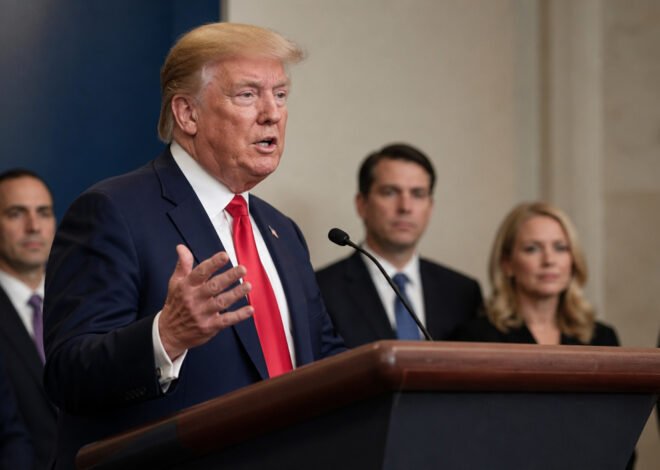
In 2025, state governments became central battlegrounds for climate action, facing unprecedented challenges as the federal administration targeted state-level climate initiatives directly. Democrats saw this period as a path to political power, and the Trump administration focused intensely on state capitals, with California and Massachusetts as key targets. Funding was frozen, and renewable energy projects were canceled, with military resources sometimes deployed in this strategy aimed at pressuring states to force policy changes. Environmental justice was a major focus, and Democratic governors and attorneys general resisted these efforts, acting as significant obstacles and questioning Trump’s agenda, delaying his efforts, and blocking many of his attempts. This struggle reshaped U.S. energy policy and impacted climate policy, raising concerns about power centralization. This shift away from states could have lasting effects on state autonomy.
Federal Assault on State Climate Initiatives and State Climate Battles
The year 2025 marked a significant federal pushback, with President Trump actively targeting state climate laws. An executive order in April, titled “Protecting American Energy from Federal Overreach,” was key. This order challenged state climate programs, including laws on greenhouse gas emissions, and also targeted environmental justice and ESG policies. Trump claimed these state laws exceeded authority, arguing they harmed energy prices and hurt out-of-state producers. The administration directed the Attorney General to identify state laws for challenge, creating a new legal fight pitting federal power against state autonomy. Some states vowed to oppose these efforts in the ongoing state climate battles.
Targeting Renewable Energy Projects and State Climate Action
Offshore wind projects faced severe disruption, with the Trump administration pausing leases and affecting projects under construction. The Department of the Interior cited national security risks. These projects included Vineyard Wind 1 off Massachusetts, Sunrise Wind and Empire Wind in New York, Revolution Wind off Rhode Island, and Coastal Virginia Offshore Wind in Virginia. Previous administrations had approved these projects, and concerns about radar interference were raised. However, federal judges had previously rejected similar halts. These cancellations risked billions in investment and threatened thousands of jobs. Clean energy advocates criticized these moves, noting the nation needed affordable power and robust state climate action.
States Push Back Against Federal Policies in State Climate Battles
Democratic governors and attorneys general stood firm, challenging federal actions and slowing down policies, at times blocking them entirely. Oregon’s Governor Tina Kotek pursued clean energy incentives. California continued its climate leadership, extending its cap-and-invest program for emissions trading through 2045. California also pursued “Polluters Pay” legislation, aiming to make fossil fuel companies fund damages. New York advanced its climate goals, with laws considering pollution burdens on EJ communities. Maryland and Colorado also enacted climate plans. The US Climate Alliance grew to include 24 governors, pledging significant emissions reductions. Many states developed updated climate plans and released GHG emissions inventories. Transmission planning saw state-level advances, with eight states passing related legislation, highlighting the intensity of these state climate battles.
Environmental Justice Under Federal Pressure Amid State Climate Battles
Environmental justice (EJ) was a key battleground. The Trump administration moved to dismantle federal EJ programs, but states reaffirmed their commitment and advanced new EJ programs. California Attorney General Rob Bonta co-led efforts, supporting lawsuits against grant terminations, arguing grant cuts harmed disadvantaged communities. Multistate guidance affirmed EJ initiatives, challenging federal claims of “illegal discrimination.” States sought legal support for their EJ laws, pushing back to counteract federal rollbacks in these crucial state climate battles.
Legal and Regulatory Battles in the State Climate Battles
Legal fights intensified as the DOJ sued states, targeting laws in New York and Vermont that had “Superfund” laws seeking to hold oil companies liable. The federal government argued these laws blocked energy production. Some states also faced challenges to their permitting. The administration sought to centralize climate policy, aiming to protect fossil fuel interests. However, state autonomy provided some protection, and many “blue states” prepared for legal battles, understanding that courts would determine the extent of federal overreach. These were defining moments in the state climate battles.
Implications and Future Concerns for US Energy Policy
The fight had significant implications, raising concerns about power centralization. This shift away from states could endure, leaving the future of U.S. energy policy uncertain. The administration’s actions impacted renewable energy markets, and environmental markets reacted negatively. Some experts warned of economic destabilization and job losses. The battle highlighted a fractured climate governance system. States became crucial in the fight, pushing for climate accountability and driving adaptation efforts. This movement showed resilience. The year 2025 featured intense clashes, and states proved vital in climate action, navigating federal opposition. Their efforts shaped recent news and continue to define the landscape of US energy policy amidst ongoing state climate battles.


Related Posts