Bystander Videos Challenge Official Narratives in Minneapolis: A Trend of Digital Accountability
The recent death of Alex Pretti in Minneapolis has spotlighted a powerful trend. Bystander videos are now central to public understanding. Millions have seen footage of Pretti’s death. Federal immigration agents shot and killed him on January 25, 2026. These videos offer a stark look at events. They shape public perception. Experts see their significance. Videos increase transparency. They help us understand complex situations.
The Power of the Pixel
Bystander videos have a long history. They played key roles in past events. The beating of Rodney King in 1991 was famously recorded. George Holliday used his camcorder. The footage shocked the nation. It spurred major unrest. Later, videos of Oscar Grant’s death in 2009 emerged. Bystanders used phones and cameras. These videos spread online. The era of social media was dawning.
George Floyd and a Movement
A more recent example is the 2020 killing of George Floyd. A bystander captured officer Derek Chauvin’s actions. This video went viral on Facebook. It propelled the Black Lives Matter movement. It brought widespread attention to police brutality. Now, Alex Pretti’s death continues this trend. Videos of his encounter were immediate. They appeared on social media quickly. This allowed multiple angles to be seen.
The Alex Pretti Incident
Alex Pretti was 37 years old. He worked as an ICU nurse. Federal immigration agents encountered him. This happened during Operation Metro Surge. Protests against this operation were happening. Pretti was protesting the agents’ presence. Videos show him filming law enforcement. He was also directing traffic. Witnesses say he stood between an agent and a woman. The agent had pushed the woman. Pretti put his arm around her.
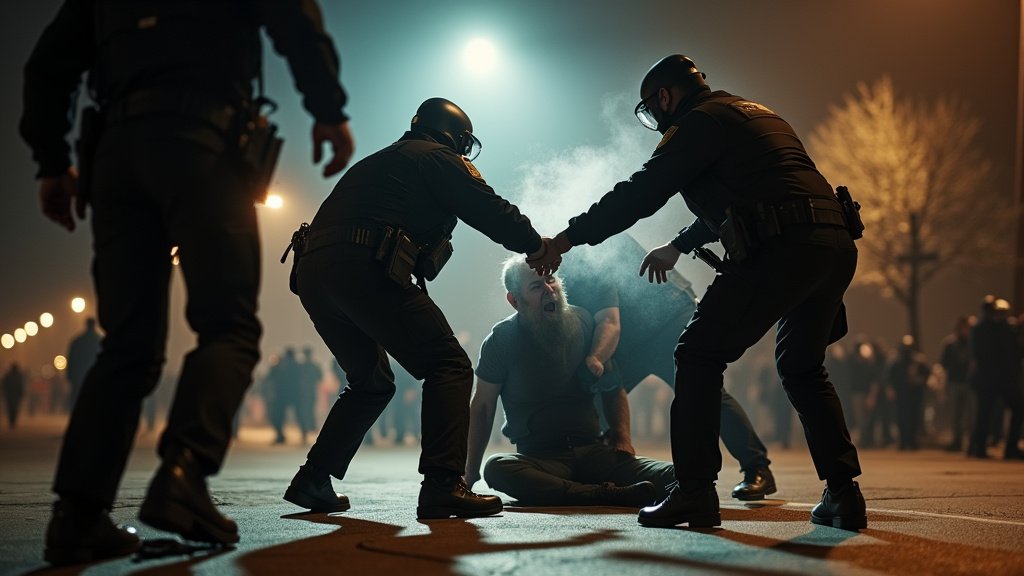
Then, agents pepper-sprayed Pretti. They wrestled him to the ground. Several agents surrounded him. That is when he was shot. The Department of Homeland Security stated Pretti approached officers. He allegedly had a 9mm handgun. They said he resisted arrest violently. However, multiple bystander videos tell a different story. They show Pretti holding a cellphone. He did not appear to brandish a weapon. One video suggests an agent removed a gun. This happened seconds before shots were fired. The official government report to Congress did not mention Pretti reaching for a firearm.
Contradicting Official Narratives
Federal officials initially claimed Pretti intended “maximum damage.” They called him a “would-be assassin.” These statements contradicted the video evidence. This pattern is not new. Officials often shape narratives. Bystander videos challenge these narratives. They provide a raw look at events. Experts note this shift. Darrell M. West, a senior fellow at Brookings, stated videos are powerful. He said a video might be worth “100,000 words.”
The Broader Trend
Bystander videos are changing law enforcement accountability. They offer real-time access. They increase government transparency. However, experts caution they don’t tell the full story. Videos lack full context. They miss background details. They don’t capture prior conversations. Still, they are crucial evidence. They are admissible in court. They can help show circumstances.
The widespread availability of smartphones is key. More people can record events. They can share footage instantly. This creates a powerful record. It challenges official accounts. It forces greater scrutiny.
Implications and Future
The constant recording changes policing. It affects public perception. It demands more transparency. Leaders must manage expectations. They must understand timing and perception. The presence of cameras can influence behavior. Studies show reduced use-of-force incidents. However, cameras are not a perfect solution. Misconduct still occurs.
The trend of bystander videos continues. It highlights a growing demand for truth. It pushes for accountability. Each new video adds to this record. It informs public discourse. This ongoing documentation is essential. It ensures events are not forgotten. This recent news is a powerful example. It shows how citizen recording matters. It shapes how we see justice. This featured incident is a clear case.


Related Posts