Denver Demonstrations Against ICE Gain National Momentum Amidst “National Shutdown”
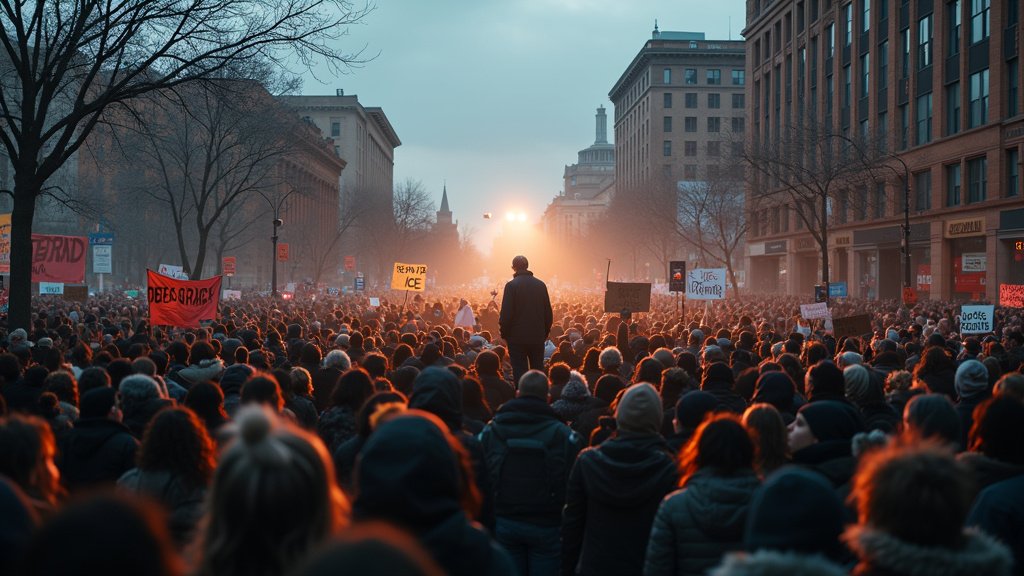
Thousands gathered in Denver on January 30, 2026. They protested U.S. Immigration and Customs Enforcement (ICE). This event was part of a larger “National Shutdown” movement. Many businesses and schools closed across Colorado. The protests aimed to halt ICE operations. This news marks a significant moment of dissent.
Protesters demanded an end to ICE’s actions. They called for “no school, no work and no shopping.” State Sen. Julie Gonzalez highlighted the energy. She spoke of people fighting for democracy. She also mentioned fighting for a just immigration system. Students from Denver East High School were present. They voiced frustration. They cited perceived injustices. They also condemned inhumane government actions.
Teachers noted the students’ understanding. Students grasp constitutional rights well. They expressed worry about violations. These include amendments like the 4th and 1st. One 15-year-old from East High School spoke out. She stated her youth did not mean ignorance. She felt young but not dumb. Another student, Christian, shared his family’s story. His mother no longer felt safe. He worried about families not knowing. He feared loved ones could disappear.
This Denver protest was not isolated. It was one of hundreds nationwide. Minnesota-based organizations initiated the “National Shutdown.” The goal was a strike. It protested federal enforcement operations. Recent ICE activity spurred the movement. Fatal shootings by federal agents occurred. Alex Pretti and Renee Good lost their lives. Both had ties to Colorado. This sparked smaller protests earlier. The national news amplified local outrage.
Several Denver-area school districts took action. Aurora Public Schools closed entirely. They cited staff shortages. Boulder Valley School District also faced issues. Many teachers submitted leave requests. This impacted school operations. Most Denver Public Schools remained open. However, some had delayed starts. Special education programs closed. Early childhood programs also shut down. This response shows protest impact.
Many local businesses supported the strike. Several Denver businesses closed their doors. These included restaurants and shops. Sắp Sửa, a restaurant, announced its closure. They cited helplessness. They felt unable to watch events unfold. Other businesses like Die Die Must Try Beverage Co. also closed. Scavenged Goods and Preston and James joined. This collective action amplified the message. It showed broad community support.
Rage, frustration, and grief fueled the demonstrations. Signs and chants called for accountability. Kasey Childers from the Denver Justice Project spoke. Organizers vowed to continue. More demonstrations were planned. These actions highlight deep-seated issues. They push for systemic change. The energy remained electric. People fought for their constitution. They fought for democracy. They fought for a humane system.
These recent events show strong public sentiment. The calls for ICE abolition persist. State Sen. Julie Gonzalez supports these efforts. She advocates for humane immigration reform. The movement shows a united front. It aims for justice. It demands respect for all people. Further actions are planned. These national protests will continue. They aim to influence policy. This news highlights ongoing struggles.


Related Posts