Trump Unveils “America First” Arms Strategy, Prioritizing High-Spending Allies and Domestic Production
Trump Unveils “America First” Arms Strategy, Prioritizing High-Spending Allies and Domestic Production
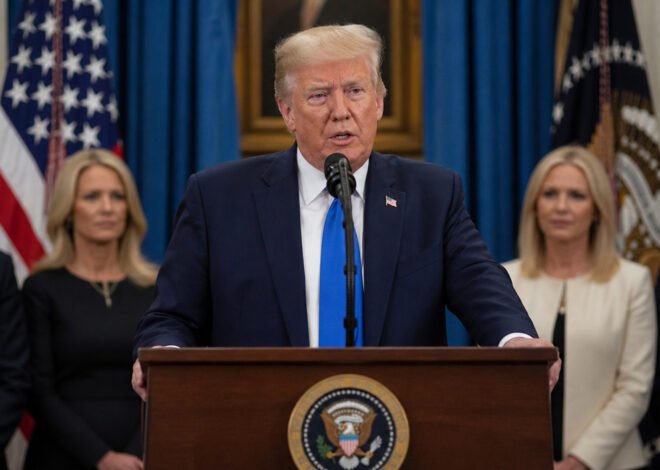
President Donald Trump signed a new executive order. This order establishes an “America First Arms Transfer Strategy.” It focuses on U.S. weapons sales. The policy took effect on February 7, 2026. This new strategy marks a significant policy shift. It prioritizes sales to nations with high defense spending. It also favors countries with strategic regional importance.
Realigning Arms Sales Priorities
The executive order directs federal agencies. They will now prioritize foreign military sales. This applies to partners investing heavily in defense. It also includes nations with critical strategic roles. The White House stated future arms sales will prioritize American interests. Foreign purchases will build U.S. production capacity. The previous approach often matched partner demand to production. This new strategy aligns sales with U.S. industrial capacity. It also considers long-term security needs.
Boosting Domestic Production and Security
A key goal is to accelerate weapon deliveries. This benefits allies essential for regional security. Foreign purchases will help expand U.S. factories. They will strengthen supply chains. This supports innovation for defense companies. The order aims to reinforce acquisition and sustainment activities. It builds supply chain resilience. This helps avoid backlogs affecting U.S. and allied readiness. The strategy supports domestic reindustrialization. It improves the defense industrial base. The industry is an economic powerhouse. It provides jobs and stimulates growth.
Background and Strategy Components
The strategy aligns with the “America First” approach. This national news is part of a broader policy. The U.S. defense industrial base is seen as vital. It must support the military and allies. The order directs the Secretaries of Defense, State, and Commerce. They must create a sales catalog. This catalog will list prioritized platforms and systems. They must also identify sales opportunities. These should align with the strategy’s goals. This is a recent development in U.S. foreign policy.
Strategic Importance and Burden Sharing
The U.S. will prioritize sales. This includes partners investing in their own defense. It also favors nations with critical roles or geography. Countries contributing to U.S. economic security are also prioritized. This aligns with a focus on allied burden-sharing. NATO leaders previously supported higher defense spending targets. The strategy emphasizes allies taking more regional security responsibility. The U.S. wants to deliver equipment reliably and rapidly.
Implications for Global Arms Market
This policy shift moves away from a “partner-first” approach. That older model caused production backlogs. It also led to delivery delays. Sales were often mismatched with U.S. manufacturing capabilities. The new strategy ensures U.S. defense exports support national security. It also drives domestic industrial revitalization. The “America First Arms Transfer Strategy” will leverage significant annual defense sales. It aims to strategically reindustrialize the United States. It seeks to deliver weapons to help partners and allies deter threats.
Future Steps and Vision
The order also addresses process streamlining. It seeks efficiencies in end-use monitoring and transfer processes. It also looks at Congressional notification procedures. A new task force will oversee implementation. The goal is a technologically superior and resilient defense industrial enterprise. This initiative is a foundational step. It aims to make the U.S. the world’s premier arsenal again. It will ensure the U.S. remains the “Arsenal of Freedom”. The strategy ensures future arms sales prioritize American interests. They will build American production and capacity. This is a significant development in recent national news.


Related Posts