U.S.-Iran Talks Begin in Islamabad: Peace or Posturing?
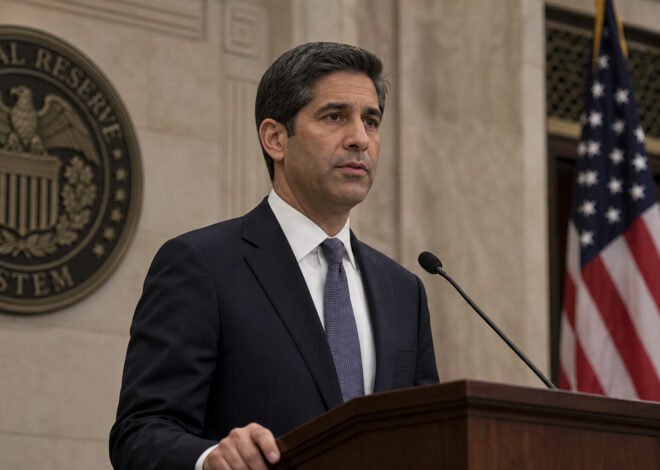
Vice President J.D. Vance has touched down in Islamabad today, April 11, 2026, leading a high-level U.S. delegation to initiate critical negotiations aimed at de-escalating the intensifying West Asia conflict. This diplomatic summit, occurring in a region already grappling with severe supply chain disruptions and volatile energy markets, represents a significant shift in U.S. strategy, moving from purely military posturing toward active, albeit uncertain, engagement. As the global community watches, the outcome of these talks carries profound implications for the world’s economic stability and the future of the NATO alliance, which has shown signs of fracturing under the weight of the last three months of regional hostilities.
Key Highlights
- High-Stakes Venue: The choice of Islamabad, Pakistan, as the neutral ground for talks underscores the delicate nature of the current U.S.-Iran relations.
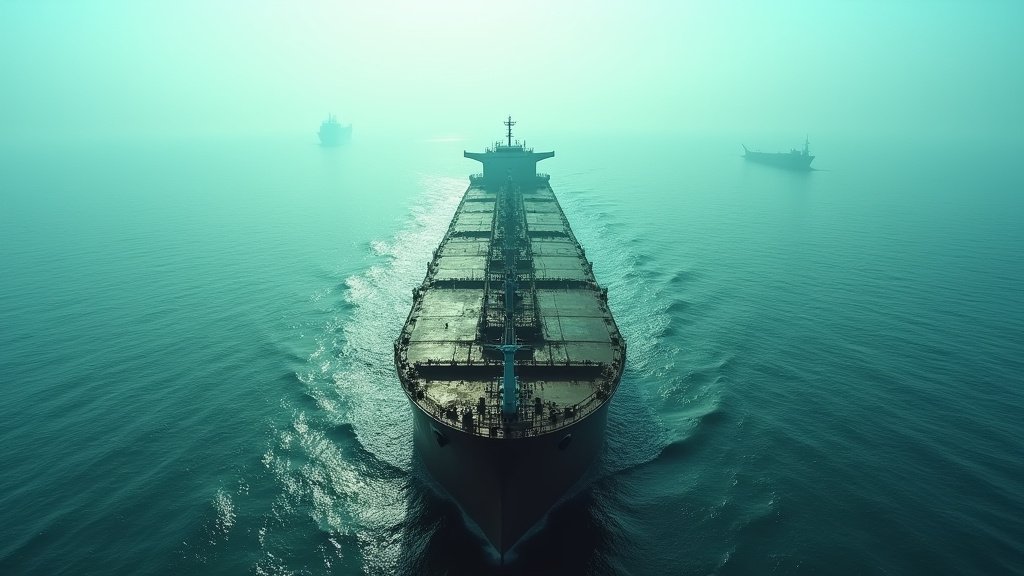
- Economic Whiplash: Global markets remain on edge as Brent crude oil prices hover near $96 per barrel, a direct result of the blockade of the Strait of Hormuz.
- Diplomatic Pressure: VP J.D. Vance has emphasized that while the U.S. is extending an “open hand,” the prerequisite remains Iranian good faith, a term that remains loosely defined amidst the ongoing rhetoric.
- Allied Tensions: The talks come amidst public friction between Washington and European allies, specifically regarding the restriction of airspace for U.S. military operations.
The Geopolitics of a Fragile Peace
The initiation of these talks in Islamabad is not merely a bureaucratic gesture; it is a desperate pivot. The conflict, which effectively halted the flow of energy through the Strait of Hormuz in late February, has forced the global economy into a state of semi-permanent alert. For policymakers in Washington, the objective is twofold: stop the immediate bleeding of energy markets and secure a framework that prevents further escalation that could draw NATO member states into a broader, uncontrollable regional war.
The Strategic Importance of Neutral Ground
Choosing Islamabad as the mediator reflects the exhaustion of traditional diplomatic channels. Neither Tehran nor Washington could feasibly host the other without significant political backlash domestically. By utilizing Pakistan as a buffer zone, both sides can engage in substantive discussion without the immediate optics of domestic betrayal. However, the success of this venue depends entirely on the willingness of Iranian proxies to adhere to whatever terms may—or may not—be established. The challenge here is the lack of a unified command structure on the ground, meaning even if a deal is struck, enforcement remains the primary obstacle.
Energy Security as the Primary Driver
The economic shockwaves of the conflict have been relentless. With approximately one-fifth of the world’s oil supply transiting the Strait of Hormuz, the closure of this chokepoint has created a supply-demand imbalance that no amount of reserve releases can fix. We are seeing a fundamental shift in how nations view energy security. It is no longer just about price; it is about the physical ability to transport resources. This reality has emboldened resource-rich nations in the Gulf to flex new economic muscle, further complicating the negotiation table for the U.S. delegation.
The Internal Dynamics and External Pressures
Behind closed doors, the conversation is likely far more contentious than the public-facing statements suggest. The U.S. delegation, led by Vice President Vance, is operating under a unique set of constraints. With the 2026 elections looming, the current administration cannot afford a prolonged, expensive, and unpopular conflict. Conversely, appearing weak on the international stage is a political liability that could cost them the base.
The NATO Paradox
Perhaps the most fascinating aspect of this crisis is the visible strain on NATO. Historically, a conflict in the Middle East of this magnitude would see a unified Western front. Instead, we are witnessing a divergence in interests. Nations like Spain and France, citing their own domestic energy concerns and humanitarian considerations, have placed restrictions on U.S. military assets. This is a crack in the foundation of the Atlantic alliance that will not be easily repaired, even if these talks in Islamabad prove successful. The U.S. is essentially negotiating for a peace that its own allies are no longer fully committed to enforcing.
Future Predictions: The Long-Term Fallout
Regardless of the outcome in Islamabad, the geopolitical landscape of 2026 has been permanently altered. We are entering an era of “distributed conflict,” where local disputes have immediate, global, and cascading impacts on the cost of living and international security. The era of globalization, where local wars were contained, is being replaced by a model of interconnected fragility. Investors and nations alike must prepare for a future where supply chains are weaponized, and traditional diplomatic tools are often rendered obsolete by the sheer speed of digital and kinetic warfare.
FAQ: People Also Ask
1. Why is J.D. Vance leading the U.S. delegation instead of the Secretary of State?
By sending the Vice President, the administration is signaling that these negotiations are of the highest priority and that the U.S. is prepared to make high-level decisions quickly. It is a show of political strength and direct executive intent.
2. What is the likelihood of a breakthrough in Islamabad?
Market analysts remain skeptical. While the talks represent a positive shift toward communication, the fundamental disagreements regarding sovereignty and regional security proxies are deep-seated and unlikely to be resolved in a single round of meetings.
3. How will these talks impact oil prices in the short term?
Markets are inherently reactive. Any sign of de-escalation will likely cause a momentary dip in crude prices, but sustained recovery depends on the reopening of the Strait of Hormuz and a clear, verifiable reduction in hostilities.
4. Why are U.S. allies restricting airspace?
Many European nations are balancing their treaty obligations with their own domestic energy crises and political pressures to avoid direct involvement in the West Asia conflict, leading to a fragmented NATO response.


Related Posts