US-Iran Strikes Escalate, Hormuz Deal Crumbles
Escalation in the Strait: A Fragile Ceasefire Shattered
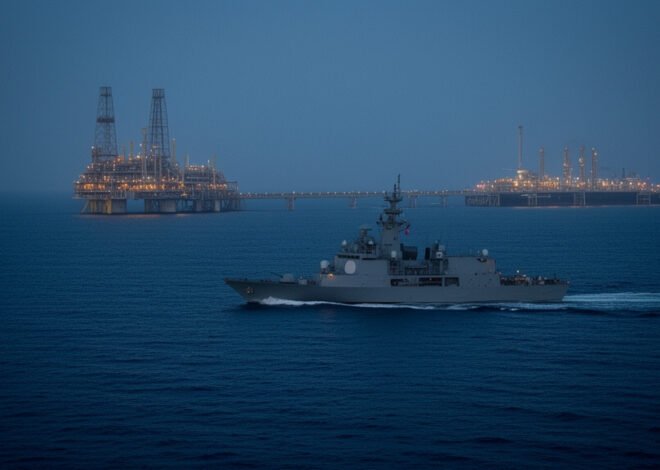
The strategic Strait of Hormuz, a critical chokepoint for global oil and gas transit, has once again become the epicenter of a dangerous escalation between the United States and Iran. For three consecutive days, both nations have engaged in retaliatory strikes, shattering a fragile ceasefire agreement brokered in mid-June. The tit-for-tat exchanges, which began following Iran’s attacks on commercial shipping, have now broadened to include direct strikes on military installations and infrastructure, pushing the region closer to the brink of full-scale war.
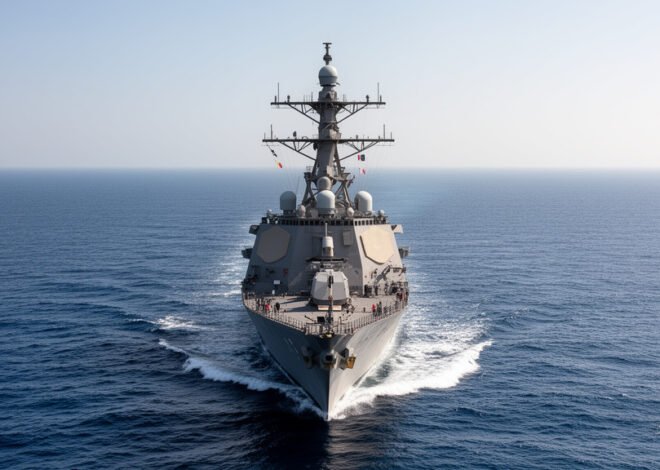
President Donald Trump, speaking at a NATO summit in Turkey on Wednesday, July 8, 2026, declared the ceasefire “over,” signaling a dramatic shift in US policy and abandoning the tentative peace efforts. This declaration came shortly after the US military launched extensive strikes on Iran, targeting military sites and port facilities. US Central Command (CENTCOM) stated that these operations were aimed at degrading Iran’s ability to threaten freedom of navigation in the Strait of Hormuz, citing Iran’s recent aggressions against commercial vessels. The US military reported striking approximately 90 targets across Iran in the latest round, including air defense systems, coastal surveillance assets, missile and drone storage sites, naval capabilities, and military logistics infrastructure. Some reports indicated that US aircraft also bombed two railway bridges in Iran, with explosions heard and reported in locations such as Bandar Abbas, Sirik, and Bushehr. The city of Bushehr, which hosts Iran’s only civilian nuclear power plant, was among the areas reportedly targeted.
Iran’s response was swift and direct. The Islamic Revolutionary Guard Corps (IRGC) claimed to have hit dozens of US military facilities in Bahrain and Kuwait, asserting that these strikes were in retaliation for the US attacks. While Bahrain’s interior ministry and the Kuwaiti army reported their air defense systems were triggered, they offered no immediate details on damage. However, Iranian state media later reported that eight military personnel were killed in US strikes in southern Iran, with casualties in Bandar Abbas and Bushehr. The IRGC also claimed to have used one-way attack drones against sites in Kuwait, Bahrain, and Qatar.
The renewed hostilities have had an immediate impact on global markets, with oil prices surging to their highest level in two weeks. Brent crude oil jumped more than five percent to around $78 a barrel on Wednesday, July 8, 2026, reflecting the heightened instability in a vital energy-producing region. The conflict’s intensification raises serious questions about the efficacy of the interim peace deal and the broader negotiations aimed at permanently ending the war that began on February 28, 2026. The current situation is a stark reminder of the volatility surrounding the Strait of Hormuz, which accounts for roughly one-fifth of the world’s traded oil and natural gas.
The Fraying Ceasefire and Diplomatic Stalemate
The current exchange of fire represents a significant blow to the memorandum of understanding signed in mid-June, which had offered a glimmer of hope for de-escalation. Both sides have repeatedly accused each other of violating the agreement. Iran’s chief negotiator, Mohammad Bagher Ghalibaf, accused the United States of major breaches, including the reinstatement of oil sanctions and violations of Iranian arrangements in the Strait. He asserted that the Strait of Hormuz would only be opened under “Iranian arrangements,” underscoring Tehran’s insistence on control over the vital waterway. The US, on the other hand, views Iran’s actions against commercial shipping as unacceptable and a direct threat to international commerce.
The US had previously revoked sanction waivers on Iranian oil sales, a move that intensified pressure on Tehran as it engaged in negotiations. The cancellation of a license allowing Iran to produce, sell, and deliver crude oil until August 21, 2026, further exacerbated tensions. These diplomatic maneuvers, coupled with the military strikes, have cast a long shadow over the future of peace talks. Efforts to permanently resolve the conflict, halt Iran’s nuclear program, and ensure the free passage through the Strait of Hormuz are now at a standstill, with both nations locked in a cycle of attack and retaliation. Qatar and Pakistan have been active in mediating recent peace negotiations, and Qatari Prime Minister Sheikh Mohammed bin Abdulrahman al-Thani has reportedly urged Iran and the US to commit to a diplomatic solution. However, the current military actions suggest that diplomatic channels are increasingly strained.
Economic Repercussions and Geopolitical Instability
The direct economic impact of these escalating strikes is already palpable. The surge in oil prices is a clear indicator of the market’s reaction to the increased instability in the Persian Gulf. This price volatility could have ripple effects across the global economy, potentially leading to increased inflation and impacting supply chains. Beyond oil prices, the conflict threatens the broader economic stability of the region. The Strait of Hormuz is not just a transit route for oil; it is a critical artery for global trade. Any sustained disruption to its operations could have far-reaching consequences for international commerce.
Geopolitically, the renewed hostilities reignite concerns about a wider regional conflict. The involvement of US-allied Gulf states like Bahrain and Kuwait as targets, even if indirectly, draws them deeper into the confrontation. The pre-existing tensions surrounding Iran’s nuclear program and the proxy conflicts involving Iran-backed groups in neighboring regions, such as Hezbollah in Lebanon, further complicate the geopolitical landscape. The fragility of the ceasefire and the willingness of both sides to resort to military action suggest a deep-seated mistrust and a challenging path ahead for any lasting peace. The timeline of events—with US strikes occurring on July 8 and 9, 2026, and Iran’s retaliatory actions following suit—highlights the rapid deterioration of the de-escalation efforts.
FAQ: People Also Ask
Q1: What triggered the latest US-Iran strikes?
A1: The recent US-Iran strikes were triggered by Iran’s attacks on commercial shipping in the Strait of Hormuz. In retaliation for these attacks, the US launched extensive strikes on Iranian military targets, leading to further retaliatory actions from Iran against US bases in Bahrain and Kuwait.
Q2: Has President Trump declared the ceasefire over?
A2: Yes, President Donald Trump officially declared the ceasefire agreement with Iran to be “over” on Wednesday, July 8, 2026, warning of further actions.
Q3: Which Iranian cities were reportedly hit by US strikes?
A3: Explosions have been reported in several Iranian locations, including Bushehr, Konarak, Bandar Abbas, Sirik, and Qeshm Island. Some reports also mentioned strikes on railway bridges.
Q4: Did Iran strike US bases in other countries?
A4: Yes, Iran’s Islamic Revolutionary Guard Corps (IRGC) claimed to have hit US military facilities in Bahrain and Kuwait in retaliation for US strikes. They also reported using drones against sites in Qatar.
Q5: What is the significance of the Strait of Hormuz in this conflict?
A5: The Strait of Hormuz is a vital, narrow waterway that serves as a critical chokepoint for global oil and gas transit. It is estimated that about one-fifth of the world’s traded oil passes through it. Control over, and freedom of navigation in, this strait is a major point of contention between the US and Iran.


Related Posts