Trump’s Hormuz Toll Plan Shift, SCOTUS Budget Plea, New Senator
President Trump has reportedly moved away from a proposed plan to levy commercial tolls for U.S. security operations in the Strait of Hormuz. This strategic pivot appears to align with alternative proposals put forth by Gulf allies, which may involve substantial investments totaling billions of dollars into the United States. This shift signifies a potential recalibration of maritime security funding and international cooperation in a critical global waterway.
Key Highlights:
- President Trump alters approach to U.S. security funding in the Strait of Hormuz.
- Supreme Court justices testify before Congress requesting enhanced security budgets.
- Darlene Graham Nordone is inaugurated as a new U.S. Senator.
- Federal Reserve Chairman reiterates commitment to fighting inflation without revealing specific tactics.
Shifting Sands in Hormuz Security and Congressional Hearings
The geopolitical landscape surrounding the Strait of Hormuz, a vital chokepoint for global oil trade, is experiencing a significant shift. Initially, the Trump administration explored the concept of charging commercial vessels tolls to fund U.S. naval presence and security operations in the region. However, recent reports indicate a departure from this direct tolling strategy. Instead, the focus appears to be moving towards a collaborative model, potentially involving substantial financial commitments from Gulf nations directed towards U.S. investments. This development could reshape regional security dynamics and international economic partnerships, with billions of dollars potentially flowing into the American economy through these proposed investments. The exact nature of these investments and the finalized framework for security cooperation remain subjects of ongoing diplomatic discussions.
Supreme Court Justices Defend Budgets Amidst Rising Threats
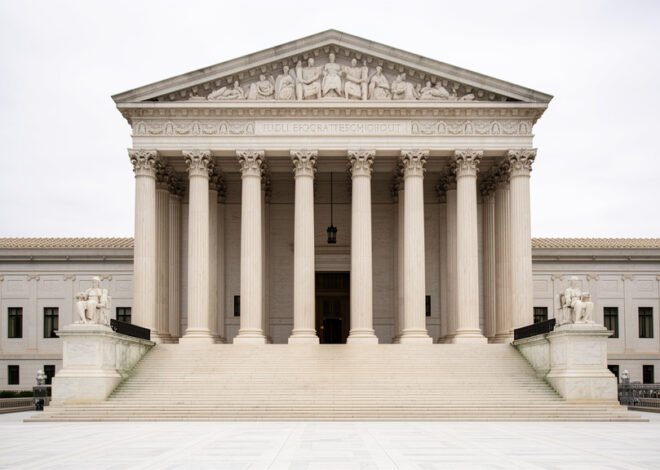
In parallel, the halls of justice have seen prominent figures engaging directly with legislative oversight. Supreme Court Justices Elena Kagan and Amy Coney Barrett recently appeared before a House spending panel to advocate for the court’s budget. Their testimony was not merely a routine financial review; it was a compelling plea for increased funding, directly linked to a concerning rise in threats and security concerns directed at justices. The justices highlighted the escalating risks, emphasizing the necessity of enhanced security measures to ensure the integrity and safety of the judiciary. This congressional appearance underscores the growing challenges faced by public officials and the judiciary in an era of heightened polarization and security concerns, necessitating a proactive response from both the executive and legislative branches.
A New Voice in the Senate and the Fed’s Inflation Battle
The U.S. Senate has welcomed a new member, Darlene Graham Nordone, who was officially sworn in to fill a vacancy. Nordone steps into the role previously held by her late brother, marking a significant moment for her family and her constituents. Her arrival adds a new dynamic to the legislative body as it tackles pressing national issues.
Meanwhile, the nation’s economic outlook remains a central focus, with Federal Reserve Chairman Jerome Powell reiterating a strong commitment to combating inflation. While Powell’s statements project resolve in tackling rising prices, he refrained from disclosing specific details regarding future monetary policy actions or interest rate adjustments. This guarded approach leaves markets and the public anticipating the Fed’s next moves, underscoring the complex balancing act policymakers face in managing economic stability and controlling inflation. The absence of concrete steps raises questions about the Fed’s strategy and its potential impact on the broader economy.
Secondary Angles and Broader Implications
The reported shift in Trump’s Hormuz strategy could be viewed through the lens of evolving U.S. foreign policy objectives and the broader economic interdependence between the United States and Gulf nations. The emphasis on investments rather than direct tolls may signal a desire for more integrated economic ties and a strategic re-alignment that benefits both U.S. industry and regional stability. Furthermore, the Supreme Court justices’ budget requests highlight a critical issue of public safety and the protection of democratic institutions, a theme that resonates beyond the judiciary and touches upon the security of all public servants. The Fed chairman’s communication strategy, while opaque, reflects the immense pressure on central banks globally to navigate post-pandemic economic recovery, supply chain disruptions, and geopolitical uncertainties, all while managing inflation expectations.
FAQ: People Also Ask
Q1: What was President Trump’s original plan regarding the Strait of Hormuz?
President Trump’s administration had previously considered charging commercial tolls to fund U.S. security operations in the Strait of Hormuz.
Q2: Why are Supreme Court justices requesting more funding?
Justices Elena Kagan and Amy Coney Barrett testified that they require increased funding due to a rise in threats against justices, necessitating enhanced security measures.
Q3: Who has been sworn in as a new Senator?
Darlene Graham Nordone has been sworn in as a Senator, replacing her late brother.
Q4: What is the Federal Reserve Chairman’s stance on inflation?
The Fed chairman has vowed to defeat inflation but has not revealed specific next steps or policy actions.
Q5: What is the significance of the Strait of Hormuz?
The Strait of Hormuz is a strategically vital chokepoint for global oil transportation, making security in the region critical for international trade and economies.


Related Posts