
Hegseth: Iran Conflict Costs Surge to $37.5 Billion
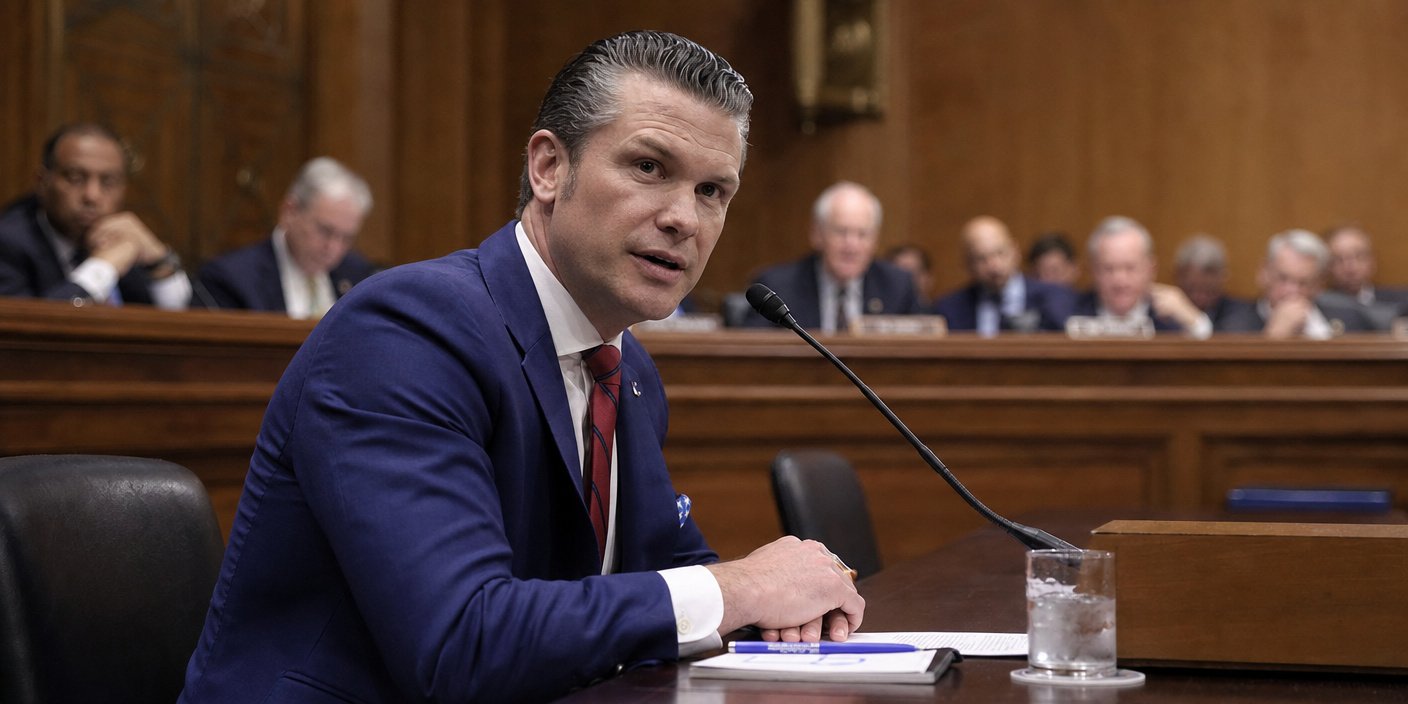
During a tense session of the Senate Appropriations Committee, Defense Secretary Pete Hegseth delivered a sobering update on the ongoing military operations against Iran, revealing that the total expenditure has ballooned to $37.5 billion. This figure represents a $9 billion increase over previous projections, underscoring the escalating financial strain of the conflict. The disclosure has prompted immediate scrutiny from lawmakers, who are now tasked with balancing national security imperatives against the reality of a rapidly tightening federal budget.
Key Highlights
- Fiscal Surge: The conflict with Iran now commands a total of $37.5 billion in funding, marking a significant $9 billion deviation from earlier estimates.
- Senate Scrutiny: The disclosure occurred during a formal Senate Appropriations Committee hearing, placing the Pentagon’s financial management under legislative fire.
- Budgetary Pressure: The increased expenditure raises immediate questions regarding future fiscal appropriations and the impact on other defense readiness programs.
- Strategic Shift: The updated cost figures suggest a divergence from initial planning assumptions, reflecting the evolving intensity of combat developments in the region.
The Rising Price of Regional Security
The revelation of the $37.5 billion price tag is not merely a bureaucratic line item; it is a signal of the operational tempo that has defined the U.S. approach to the conflict in Iran. As Defense Secretary Hegseth outlined to the Senate Appropriations Committee, the $9 billion variance stems from a combination of heightened combat operations, logistical sustainability, and the necessity of maintaining a superior technological edge in a theater of war that has grown increasingly unpredictable. This figure encompasses a broad spectrum of expenditures, ranging from munitions replenishment—critical in high-intensity modern warfare—to the enhanced intelligence, surveillance, and reconnaissance (ISR) capabilities required to monitor Iranian activities across the Persian Gulf and surrounding regions.
Analyzing the $9 Billion Gap
For analysts and fiscal hawks in Washington, the $9 billion gap is a focal point of concern. When budgets are prepared, they are based on a specific set of operational variables. The dramatic increase suggests that the reality of the theater has outpaced the Pentagon’s initial projections. Factors likely contributing to this surge include the maintenance of persistent naval and aerial patrols, the cost of interceptor missiles used against drones and ballistic threats, and the accelerated training and support cycles for allied partners in the region. Hegseth’s testimony acknowledged that the volatility of the theater has necessitated a departure from the ‘business as usual’ approach to procurement and deployment, forcing the Department of Defense to pull funding from other priorities to maintain the current operational posture.
The Legislative Tug-of-War
The Senate Appropriations Committee, which holds the ‘power of the purse,’ has signaled that this disclosure is only the beginning of a larger investigation. Sen. Committee members expressed deep concern over the lack of predictive accuracy, questioning whether the Pentagon’s financial planning is robust enough to handle the long-term commitment. The dialogue in the chamber highlighted a growing rift between the Department of Defense’s immediate tactical needs and the broader economic constraints facing the U.S. government. Hegseth was pressed on how the Department plans to offset these costs, with specific questions regarding whether this shortfall would necessitate a supplemental budget request or an internal reprogramming of existing funds—the latter of which often draws sharp criticism from appropriators who feel bypassed in the decision-making process.
Strategic Readiness and Sustainability
Beyond the immediate budgetary impact, there are profound implications for military readiness. Every dollar spent on operations is a dollar that cannot be directed toward modernization, personnel retention, or the maintenance of the aging force structure. The $37.5 billion figure forces a hard conversation about the ‘sustainability’ of the current mission in Iran. If costs continue to rise at this trajectory, the Pentagon may be forced to make difficult trade-offs. Hegseth’s task is twofold: he must provide the necessary resources to ensure the success and safety of U.S. personnel on the ground, while simultaneously presenting a transparent and sustainable fiscal roadmap to a skeptical Congress. The reliance on legacy systems, coupled with the need for next-generation drone defense, creates a ‘perfect storm’ of expenditure that is increasingly difficult to justify without a clear long-term strategy for conflict resolution.
The Domestic Economic Ripple Effect
While the cost is felt acutely in the halls of the Pentagon, the ripple effects are expected to reach the domestic economy. Defense spending is a major driver of industrial activity, and the rapid consumption of munitions requires an industrial base that is currently straining to meet production demands. The $9 billion increase indicates an accelerated burn rate of critical inventories, which further complicates the supply chain. Manufacturers are being asked to ramp up production at a pace not seen in decades, and the costs associated with these ‘surge’ efforts are rarely static. As the conflict continues, the inflationary pressure on defense goods—driven by increased demand for semiconductors, specialty materials, and skilled labor—will likely continue to push the total cost of the mission even higher, setting up a clash between domestic infrastructure needs and global military obligations.
FAQ: People Also Ask
Q: How does the Department of Defense justify such a high increase in costs?
A: Defense Secretary Hegseth cited the need for operational flexibility, munitions replenishment, and the maintenance of high-tech surveillance capabilities as primary drivers for the $9 billion increase over previous projections.
Q: Will this $37.5 billion cost lead to tax increases or budget cuts elsewhere?
A: While not confirmed, the significant funding shortfall often necessitates internal ‘reprogramming’ of funds from other departments or a supplemental spending bill, both of which are contentious topics in Congress that could impact non-defense programs.
Q: Is the cost figure final, or should we expect it to climb further?
A: The $37.5 billion is the current total based on current projections. Given the dynamic nature of the conflict in Iran, Secretary Hegseth acknowledged that further fluctuations are possible depending on future combat developments and regional security demands.


Related Posts