
Summer Retail Shifts: The Luxury Brands Taking Over
The modern luxury landscape is undergoing a deliberate, seasonal migration. As high-net-worth consumers depart metropolitan hubs for summer vacation destinations, top-tier fashion brands are abandoning the traditional retail calendar in favor of the ‘vacation residency’ model. This July, the strategy is not merely to capture summer foot traffic but to immerse the brand into the specific lifestyle of the elite summer traveler. By establishing temporary outposts in high-traffic corridors like Nantucket and the Hamptons, brands are transforming retail from a transactional necessity into an experiential luxury service. This shift represents a broader pivot in retail strategy: prioritizing scarcity, exclusivity, and location-based convenience over the volume-heavy metrics of traditional flagship stores.
Key Highlights
- Nantucket Expansion: Loeffler Randall has anchored its summer strategy with a new boutique at 15 Easy Street, Nantucket, focusing on a tactile, ‘home-away-from-home’ retail environment.
- Hamptons Exclusivity: Manolo Blahnik has reinforced its presence in East Hampton with a dedicated pop-up at 55 Newtown Lane, leveraging the location to debut capsule collections before they hit global markets.
- Strategic Alliances: Balmain has entered a high-profile partnership with Bergdorf Goodman, creating a controlled, curated ‘debut’ that marries the storied heritage of the retailer with the avant-garde aesthetic of the house of Balmain.
- The ‘Vacation Residency’ Trend: Data suggests that brands adopting seasonal pop-ups in destination locales see a 15-20% increase in regional customer acquisition compared to static stores in neighboring cities.
The New Economics of Seasonal Luxury
The retail sector is currently witnessing a decoupling of geography from sales performance. Historically, luxury brands relied on flagship locations in major global cities to dictate market sentiment. However, the current summer retail environment demonstrates that geography is now fluid. By deploying pop-up retail spaces in, for example, Nantucket or East Hampton, brands like Loeffler Randall and Manolo Blahnik are effectively moving their inventory to where the capital is concentrated during the summer months.
This is not a ‘store’ in the traditional sense; it is a tactical marketing maneuver. By limiting the operational duration of these locations to three or four months, these companies cultivate an immediate sense of urgency. The ‘limited-time’ nature of these pop-ups incentivizes the customer to purchase, as the threat of the store closing at the end of the season acts as a psychological catalyst for impulse spending.
Loeffler Randall’s Coastal Homage
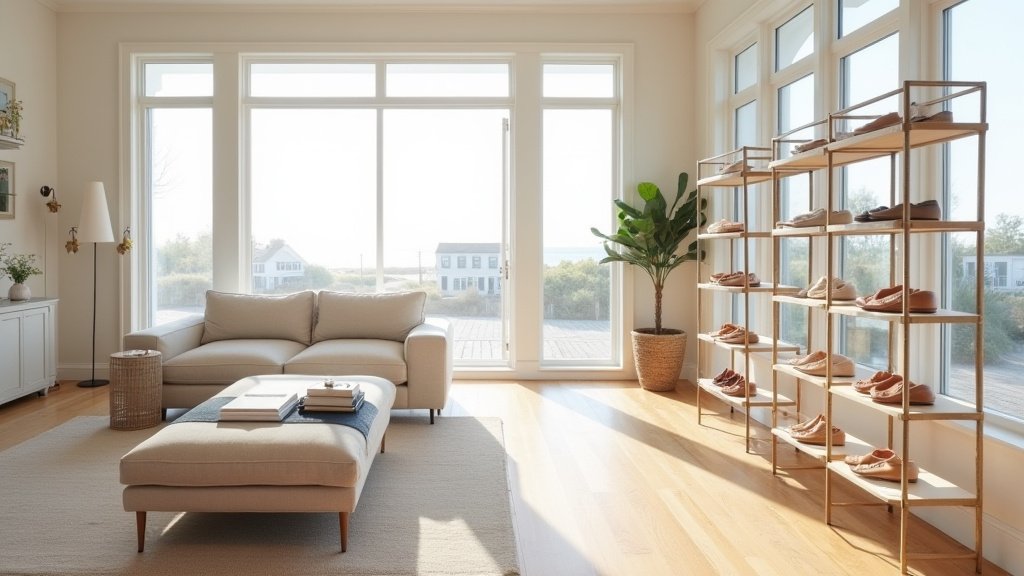
Loeffler Randall’s move to 15 Easy Street in Nantucket is a masterclass in atmospheric retail design. Rather than implementing a generic store layout, the brand has curated an experience that feels like a natural extension of a Nantucket home. This ‘coastal residency’ serves as a physical manifestation of the brand’s identity—approachable luxury, feminine, and practical for a seaside lifestyle. The store serves as an exhibition space where the inventory is curated to solve the specific needs of the vacationing customer: footwear that bridges the gap between beachside leisure and evening cocktail attire.
Manolo Blahnik: Scarcity at 55 Newtown Lane
Manolo Blahnik’s entry into East Hampton at 55 Newtown Lane serves a different economic purpose: legacy maintenance. While the brand is globally recognized, maintaining relevance in the Hamptons—a competitive retail ecosystem—requires a physical footprint. By situating itself in the heart of East Hampton, Manolo Blahnik ensures it remains the default destination for high-end footwear. The exclusivity of the pop-up location allows the brand to test new, experimental colorways and seasonal materials that might underperform in a broader global market but resonate deeply with the local Hamptons demographic.
Balmain at Bergdorf: A Strategic Urban Alliance
In contrast to the standalone destination stores, the Balmain and Bergdorf Goodman collaboration highlights a symbiotic retail philosophy. By integrating a Balmain-focused collection within the architectural gravitas of Bergdorf Goodman, Balmain leverages the retailer’s established credibility and sophisticated customer base. This is a “store-within-a-store” model that minimizes the overhead of independent leasing while maximizing the brand’s visibility to an elite, captive audience. This partnership is particularly significant as it demonstrates how legacy houses are pivoting to ensure their collections are not lost in the noise of digital e-commerce, but are instead curated by trusted retail institutions.
Future Predictions: The Future of Experiential Retail
Looking toward the next 24 months, we expect to see a drastic reduction in the number of permanent, secondary-market flagship stores. The ‘vacation residency’ model is essentially a trial run for a decentralized retail future. If a brand can successfully convert a pop-up store into a profitable, high-engagement channel over just 90 days, the rationale for maintaining a permanent 12-month lease in a struggling urban commercial district becomes increasingly weak. Retailers will likely shift toward a ‘nomadic’ model, where the physical store follows the demographic: skiing in Aspen in winter, beach destinations in the Hamptons or the Mediterranean in summer, and major fashion capitals during the spring and autumn buying seasons.
FAQ: People Also Ask
Q: Why are luxury brands focusing so heavily on vacation destinations this summer?
A: Luxury brands are shifting toward ‘destination retail’ because it allows them to meet the consumer where they are, rather than waiting for the consumer to travel to a major city. This increases conversion rates and deepens brand loyalty by associating the product with the consumer’s leisure time.
Q: How do pop-up stores differ from flagship stores in terms of inventory?
A: Pop-up stores are typically highly curated. While flagship stores carry the full range of a brand’s catalog, pop-ups focus on seasonal capsules, exclusive collaborations, and high-demand items that fit the specific climate and lifestyle of the pop-up’s location.
Q: Is the ‘vacation residency’ model sustainable long-term?
A: For luxury brands, yes. It lowers long-term overhead costs associated with permanent leases while allowing for greater agility. By operating on a seasonal, rotational basis, brands can stay relevant and maintain the ‘scarcity’ marketing narrative, which is essential to the luxury business model.


Related Posts