Kyushu Earthquake: 18 Confirmed Dead as Mall Collapses
The Kyushu region of Japan is currently grappling with a severe humanitarian crisis following a catastrophic 7.1 magnitude earthquake that triggered widespread structural failures and secondary hazards. With the death toll confirmed at 18, emergency responders are working around the clock to navigate the precarious rubble of a major shopping mall collapse and the aftermath of a subsequent, localized gas explosion. As difficult weather conditions hamper ongoing rescue operations, the local authorities and national agencies remain in a state of high alert.
Key Highlights
- A 7.1 magnitude earthquake struck the Kyushu region, causing significant infrastructure damage.
- Official reports confirm 18 fatalities and dozens of injuries resulting from the disaster.
- A major shopping mall collapsed during the seismic event, trapping victims under heavy debris.
- A secondary gas explosion occurred shortly after the quake, complicating search and rescue efforts.
- Rescue teams are facing extreme challenges due to adverse weather conditions in the disaster zone.
The Kyushu Seismic Crisis: A Disaster Unfolds
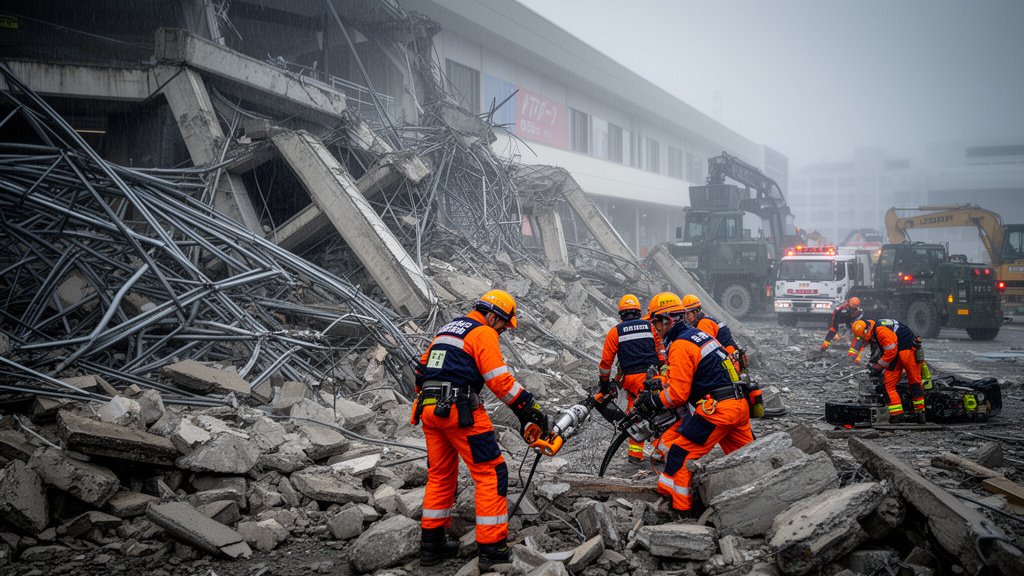
The morning of the disaster was marked by the violent onset of a 7.1 magnitude earthquake, a seismic event that shook the foundations of the Kyushu region. While Japan is no stranger to tectonic activity, the localized intensity of this tremor resulted in unique and tragic outcomes. The most significant structural failure reported involves a large-scale shopping mall, which suffered a near-total collapse, trapping shoppers and staff beneath tons of concrete and steel.
This incident has become the focal point of the current emergency response. The complexity of the collapse—characterized by shifted floor plates and entangled utility lines—has necessitated specialized urban search and rescue (USAR) teams. Adding to the peril was a major gas explosion that erupted shortly after the initial shaking. The rupture of gas mains within the facility triggered an inferno, forcing rescuers to prioritize fire suppression alongside life-saving extraction efforts. This combination of structural instability and fire hazards represents one of the most dangerous environments for first responders in recent Japanese disaster history.
Challenges in the Disaster Zone
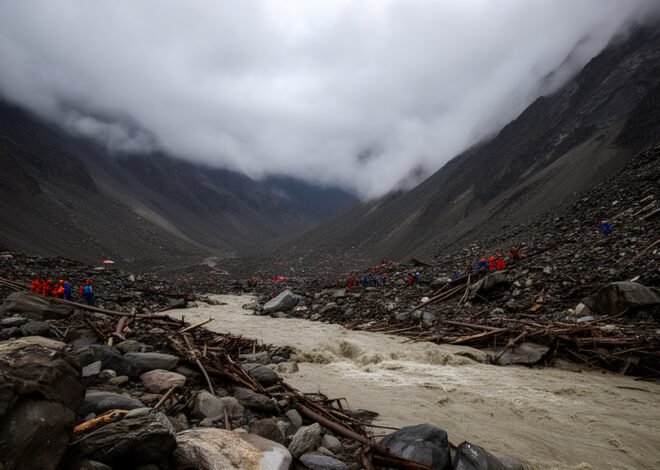
The rescue operations are being conducted under harrowing conditions. Meteorologists have reported difficult weather patterns in the region, including heavy rain and low visibility, which have limited the ability of aerial surveillance and drone-assisted reconnaissance. The mud and shifting terrain have made it difficult to bring in heavy machinery, forcing rescuers to rely heavily on manual labor and handheld hydraulic tools to reach potential survivors. The Japan Self-Defense Forces (JSDF) have been deployed in coordination with local Miyazaki Prefecture authorities to bolster the numbers of personnel on the ground, but progress remains slow and methodical to prevent secondary collapses.
Infrastructural and Economic Implications
Beyond the immediate tragedy, the event has spotlighted the vulnerability of large commercial structures in high-seismic zones. The destruction of a major retail hub creates an immediate economic vacuum, affecting local employment and supply chains. While the Japan Meteorological Agency (JMA) continues to monitor for aftershocks, experts are already discussing the potential need for a comprehensive review of the building codes governing commercial architecture in the Kyushu region.
The economic toll is expected to be significant, particularly for local small businesses that operated within or adjacent to the affected shopping center. As the region pivots from rescue to recovery, the discussion will inevitably shift toward how the local economy can recover from such a sudden, multi-faceted disaster. The incident serves as a grim reminder that seismic resilience is not merely a matter of engineering, but a dynamic, ongoing challenge of urban planning and emergency preparedness.
Future Preparedness and Resilience
The tragedy in Kyushu is forcing a national conversation on disaster management. The rapid escalation from a seismic event to a structural collapse, and then to a chemical hazard (the gas explosion), illustrates the ‘cascading failure’ model that disaster experts often warn against. Moving forward, the integration of real-time gas cutoff systems and more advanced structural health monitoring sensors may become a primary objective for the Ministry of Land, Infrastructure, Transport and Tourism. The focus is to ensure that while earthquakes cannot be prevented, their capacity to trigger catastrophic secondary events is significantly mitigated.
FAQ: People Also Ask
Q: What is the current status of the rescue efforts in Kyushu?
A: Rescue operations are ongoing, with specialized JSDF units and local fire departments working through rubble in difficult weather conditions to locate survivors from the collapsed mall and explosion site.
Q: Why was the gas explosion a significant concern?
A: The gas explosion added a life-threatening variable to an already precarious situation. It not only caused immediate harm but also created a fire hazard that slowed the search and rescue teams’ access to survivors.
Q: How does this event compare to other seismic events in the region?
A: While Kyushu experiences regular seismic activity, the specific combination of a mall collapse and a secondary gas explosion makes this event particularly severe in terms of the complexity and danger posed to first responders.
Q: What are the authorities doing to prevent further casualties?
A: Officials have cordoned off the affected areas, initiated hazardous material containment procedures, and are providing constant updates to the public while managing potential risks from aftershocks.


Related Posts