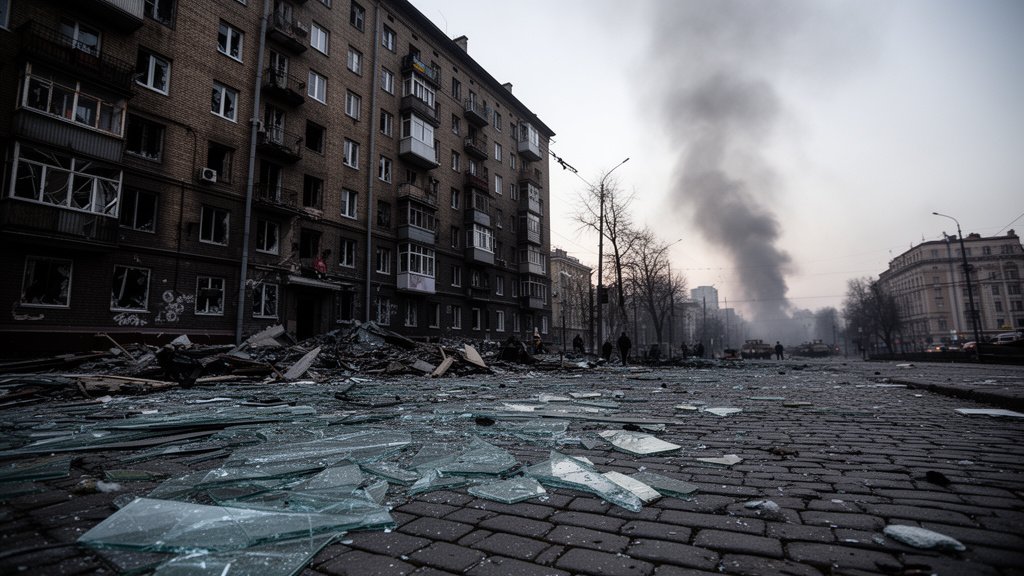
Escalation: 10 Dead in Kyiv Attack; Moscow Blast Claims 3
The ongoing conflict between Russia and Ukraine has entered a volatile new chapter this week, marked by a dual-front intensification that has left casualties in both Kyiv and Moscow. In a coordinated aerial assault, Russian forces utilized a combination of cruise missiles and drone swarms to strike critical infrastructure and civilian areas within Kyiv, resulting in 10 confirmed fatalities. Simultaneously, the Ukrainian government has confirmed a critical development in its defensive capabilities: its stock of Patriot interceptor missiles has been exhausted, a vulnerability that threatens to drastically alter the tactical landscape of the war.
Simultaneously, the theater of conflict appeared to penetrate deeper into Russian territory. An explosion in the heart of Moscow resulted in three deaths and 21 injuries, further complicating the security narrative for the Kremlin. This confluence of events indicates an aggressive escalation, testing the resolve of Ukraine’s defense systems and highlighting the increasing internal security challenges facing Moscow.
Key Highlights
- Kyiv Casualties: A devastating Russian missile and drone barrage has resulted in 10 civilian deaths and widespread infrastructure damage.
- Patriot Depletion: Ukrainian officials have confirmed that their inventory of Patriot interceptor missiles is depleted, leaving Kyiv’s airspace critically vulnerable to high-velocity Russian attacks.
- Moscow Blast: A separate explosion in Moscow has left 3 people dead and 21 injured, fueling concerns regarding internal security and potential asymmetric warfare tactics.
- Strategic Shift: The combination of an exhausted air defense shield and active threats on Russian soil signals a significant, dangerous shift in the trajectory of the ongoing war.
The Strategic Consequences of Defenses Under Strain
The most pressing concern for Ukrainian military leadership is the depletion of the Patriot missile defense systems. These systems have been the backbone of Ukraine’s ability to intercept ballistic missiles and high-end Russian aviation threats. For months, these systems served as a psychological and tactical deterrent, protecting key government institutions and energy infrastructure in Kyiv. With current stock depleted, military analysts warn that the ‘shield’ over the capital has fractured.
The Mechanics of Air Defense Saturation
Russian military doctrine has increasingly relied on ‘saturation tactics’—sending a mix of low-cost, expendable suicide drones alongside expensive, high-speed cruise missiles. The primary goal is to force the defensive grid to use its most sophisticated interceptors on inexpensive targets, or worse, to overwhelm the system’s tracking capacity. By exhausting the Patriot supply, Russia has created a window of opportunity to strike targets that were previously considered ‘out of reach’ or too well-defended. The recent attack on Kyiv was not merely about destruction; it was a demonstration of a shift in air dominance, forcing Ukraine to prioritize which urban centers or strategic assets it can protect.
The Moscow Blast: A New Dimension of Vulnerability
While the events in Kyiv reflect the standard evolution of the frontline, the explosion in Moscow introduces a complex variable. With 21 injuries and 3 fatalities, this was not a minor event. For the Russian public, who have largely remained insulated from the daily realities of the frontlines, such an attack challenges the narrative of safety and control. Whether this blast was an act of sabotage, an asymmetric operation, or an internal security failure, it forces the Russian Ministry of Defense to divert resources and attention toward domestic security, a distraction that the Kremlin has desperately sought to avoid.
The Humanitarian Impact and Future Outlook
Beyond the military statistics, the human cost is mounting. The 10 lives lost in Kyiv are a grim reminder of the civilian toll, as are the victims of the Moscow blast. As we look toward the coming quarter, the primary concern for international observers is the potential for a ‘spiral of retaliation.’ With Ukraine’s primary defensive umbrella failing and internal threats rising within Russia, the threshold for what constitutes a ‘red line’ in this conflict has shifted. Intelligence agencies are now tracking not only troop movements along the Dnieper River but also the stability of supply chains for western-made air defense systems, which are currently being rushed to meet the void left by the depleted Patriot batteries.
FAQ: People Also Ask
Q: How does the depletion of Patriot missiles affect the safety of Kyiv?
A: It significantly reduces the city’s ability to intercept high-speed ballistic and cruise missiles. Without these interceptors, Kyiv faces a much higher risk of direct hits on critical infrastructure and residential areas, as other air defense systems may lack the necessary range and precision.
Q: What is the significance of the Moscow explosion in the context of the war?
A: It suggests an expansion of the conflict’s theater. Attacks within Moscow psychological affect the Russian population and force the government to rethink domestic security, potentially impacting the allocation of resources previously destined for the frontlines.
Q: Is there immediate international support to replenish the Patriot stocks?
A: Western allies are under increased pressure to expedite the shipment of additional interceptors and air defense platforms. However, manufacturing constraints and logistical challenges mean that immediate replenishment is complex and time-consuming.
Q: Could these events lead to a broader escalation?
A: Yes. The combination of Ukraine’s defense gaps and internal insecurity within Russia creates a volatile environment where the risk of miscalculation or desperate, high-stakes military maneuvers by either side has increased significantly.


Related Posts