Fed Defies Trump: Rates Rise in Landmark Policy Pivot
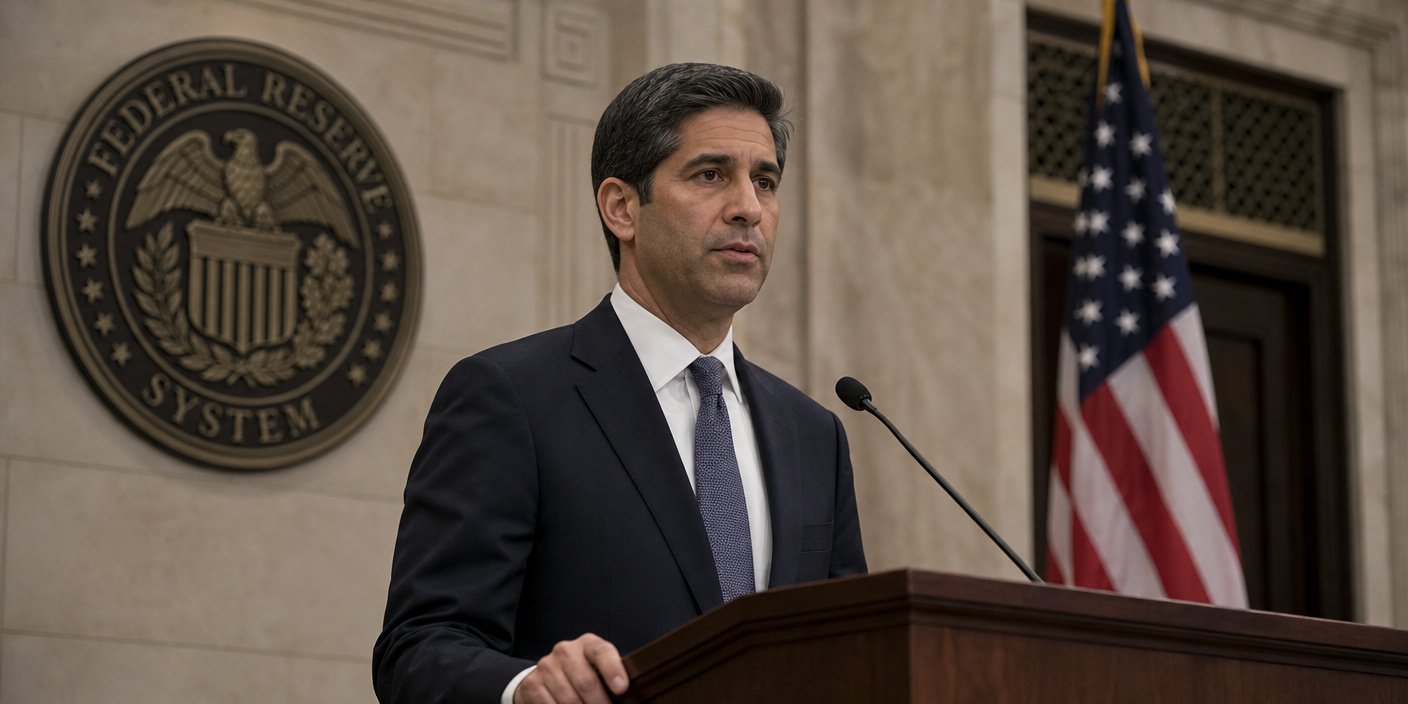
The Federal Reserve has officially raised interest rates for the first time in three years, a landmark monetary policy shift that sets the central bank on a direct collision course with the White House. This move, orchestrated by Chairman Kevin Warsh, signals a resolute commitment to curbing inflationary pressures despite vocal and persistent opposition from President Donald Trump, who has aggressively lobbied for lower borrowing costs to stimulate economic expansion. The decision marks the end of a prolonged period of monetary easing, indicating that the central bank’s board of governors is prioritizing long-term price stability over the immediate executive demands for monetary stimulus.
Key Highlights
- Historic Pivot: This action marks the first federal interest rate increase in a three-year cycle, signaling a definitive end to the previous accommodative era.
- Executive Friction: The decision was finalized despite explicit public condemnation from President Trump, highlighting a profound ideological divide regarding the best path for U.S. economic growth.
- Chairman’s Stance: Under the leadership of Kevin Warsh, the Federal Reserve has reinforced its mandate for institutional independence, prioritizing its own inflation-targeting metrics over political pressure.
- Market Signaling: The policy change is designed to preemptively cool an overheating economy, a move that is expected to tighten capital liquidity across financial markets.
A Collision of Mandates: Warsh’s Pivot and the White House Reaction
The decision to hike rates represents more than just a change in borrowing costs; it is a stress test for the operational independence of the Federal Reserve. For months, President Trump has utilized social media and public briefings to advocate for a loose monetary policy, arguing that low interest rates are essential to maintaining the robust manufacturing and stock market performance that defined his early term. However, the Federal Reserve, under the chairmanship of Kevin Warsh, has arrived at a different conclusion based on recent data indicating rising core inflation and a tightened labor market.
The Inflation Calculus: Why Now?
The move to raise rates is grounded in the Federal Open Market Committee’s (FOMC) assessment that the economy has reached a point of saturation where excessive liquidity may trigger unsustainable inflationary bubbles. Throughout the last 36 months, the Fed maintained a dovish stance, keeping rates at historic lows to facilitate post-recession recovery. However, recent indicators—including a steady climb in the Consumer Price Index (CPI) and increased velocity in private sector capital investment—have necessitated a shift toward a more hawkish, contractionary policy stance. Chairman Warsh has emphasized that the Fed’s primary responsibility is to maintain the purchasing power of the dollar, a mandate that occasionally necessitates unpopular decisions that prioritize fiscal discipline over political expediency.
The Politics of Independence: A Clash at 1600 Pennsylvania
The tension between 1600 Pennsylvania Avenue and the Eccles Building is not unprecedented in American history, yet it has reached a fever pitch. President Trump’s public opposition to the rate hike—which he framed as a “brake on economic growth”—has forced a national conversation regarding the scope of executive influence over central banking. The Federal Reserve, designed to be insulated from political cycles, has historically resisted attempts at executive intervention. By moving forward with the hike, Warsh has sent a clear signal to global markets that the Fed remains a technocratic institution, immune to the pressures of the electoral calendar. This defiance suggests that the Fed is betting on a soft landing for the economy, prioritizing long-term stability even at the risk of near-term friction with the current administration.
Market Reaction and Economic Implications
The immediate market reaction was swift, with bond yields spiking as investors recalibrated their expectations for a higher-rate environment. Equity markets, which have become accustomed to the “Fed put”—the assumption that the central bank would always intervene to support stock prices—faced a sharp reality check. Analysts suggest that this pivot will increase the cost of capital for corporations, likely cooling mergers and acquisitions activity and shifting the focus of corporate boards toward debt service management. For the average consumer, this translates into higher interest rates on mortgages, auto loans, and credit cards. While this may dampen consumer spending in the short term, the Fed asserts that these measures are essential to prevent a more chaotic economic correction in the future.
Historical Context: The Fed’s Balancing Act
Historically, the most effective Fed chairs—from Paul Volcker to Alan Greenspan—have earned their reputations by making difficult, often politically unpopular, decisions. Warsh’s strategy seems to align with the Volcker school of thought: endure the heat of executive dissatisfaction to secure the long-term structural integrity of the financial system. By raising rates, the Fed is essentially betting that the U.S. economy is robust enough to withstand the increase without falling into recession, a high-stakes gamble that will be scrutinized heavily in the upcoming quarterly earnings reports.
FAQ: People Also Ask
1. Why does the Federal Reserve raise interest rates?
The Federal Reserve raises rates to slow down economic activity when it believes that inflation is becoming a risk. By making borrowing more expensive, the Fed discourages excessive spending and investment, which helps to cool an overheating economy and maintain price stability.
2. Can the President fire the Federal Reserve Chair?
No. The Federal Reserve Chair and members of the Board of Governors are appointed by the President and confirmed by the Senate to serve long, staggered terms. This structure is specifically designed to insulate them from political pressure, and they can only be removed for cause, not for policy disagreements.
3. How will this rate hike affect my mortgage?
While the Federal Reserve does not set mortgage rates directly, their benchmark rate hike influences the yields on 10-year Treasury bonds, which are the primary index for fixed-rate mortgages. Consequently, when the Fed hikes rates, mortgage rates typically trend upward, making home loans more expensive for prospective buyers.
4. Is a recession inevitable after a rate hike?
Not necessarily. The goal of a rate hike is to achieve a “soft landing”—a scenario where the economy slows down enough to control inflation without falling into a recession. The Fed’s success in achieving this depends on the speed and magnitude of their adjustments compared to broader economic data.


Related Posts