Alaska’s Vital Pulse: Community Health Center Week 2026
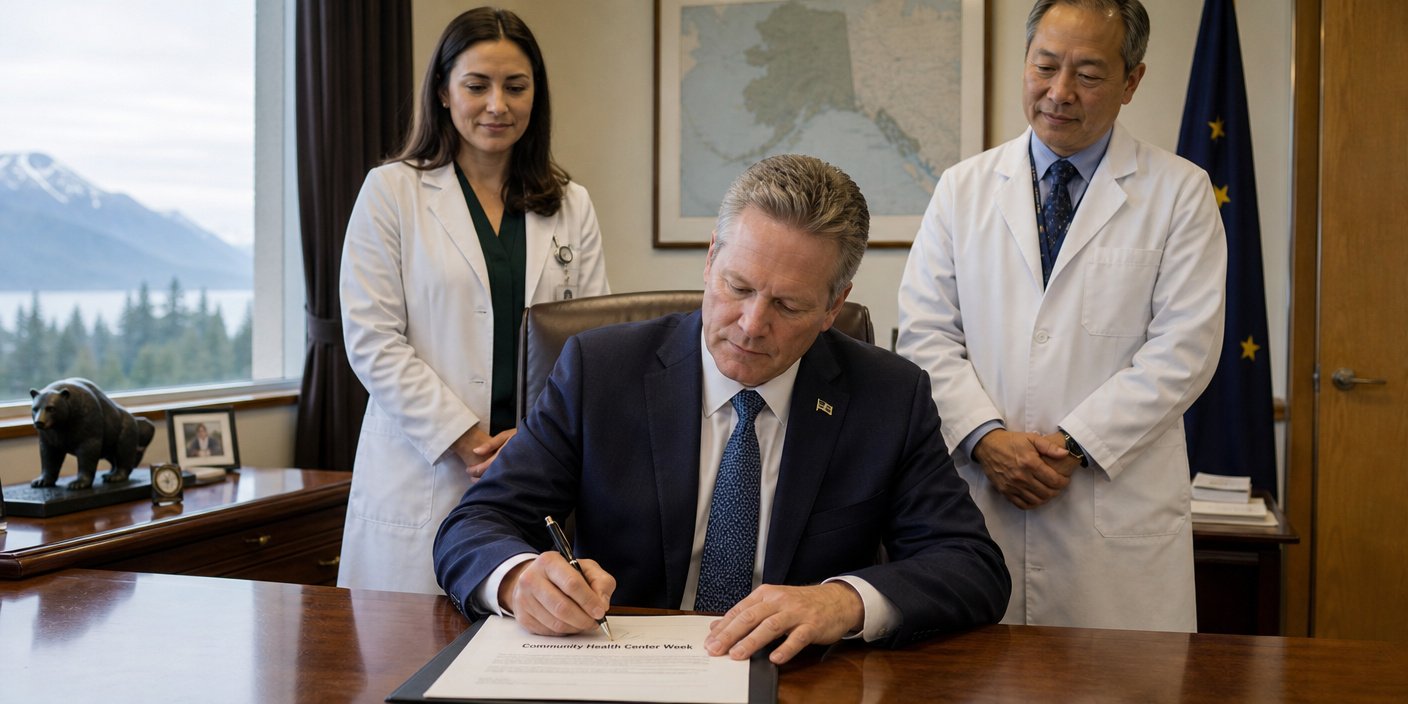
Alaska Governor Mike Dunleavy has officially proclaimed August 2–8, 2026, as Community Health Center Week, drawing statewide attention to the vital role these organizations play in the Last Frontier. This period serves as both a recognition of the hard work performed by healthcare professionals and a critical reminder of the ongoing necessity for accessible, comprehensive health services in both urban hubs and the state’s most isolated rural corridors.
Key Highlights
- Official Proclamation: Alaska Governor Mike Dunleavy designated August 2–8, 2026, as Community Health Center Week.
- Geographic Accessibility: The initiative highlights the unique challenge of providing healthcare across Alaska’s vast, often inaccessible geography.
- Economic Impact: Federally Qualified Health Centers (FQHCs) act as both primary medical providers and significant economic anchors for Alaskan communities.
- Holistic Care: The focus for 2026 centers on the integration of behavioral health, telehealth, and preventative care services to address the ‘whole person’ needs of Alaskans.
The Essential Lifeline: Strengthening Alaska’s Healthcare Infrastructure
In the expansive territory of Alaska, where the distance between communities can span hundreds of miles and depend entirely on air travel, the concept of ‘access’ is not merely a policy goal—it is a matter of survival. Governor Dunleavy’s proclamation of Community Health Center Week, observed from August 2–8, 2026, underscores the reality that health centers serve as the bedrock of the state’s medical infrastructure. These institutions, often operating under the Federally Qualified Health Center (FQHC) designation, are the primary point of contact for thousands of Alaskans who might otherwise face insurmountable barriers to basic medical services.
The Role of Federally Qualified Health Centers (FQHCs)
At the center of this observation is the work done by FQHCs. Supported by federal grant funding from the Health Resources and Services Administration (HRSA), these centers are mandated to provide care regardless of a patient’s ability to pay. In Alaska, the Alaska Primary Care Association (APCA) acts as the collaborative backbone, ensuring that these individual clinics—whether in the dense urban sprawl of Anchorage or in remote, roadless villages—share best practices, leverage collective purchasing power for medical supplies, and maintain high standards of patient outcomes. By highlighting these centers, the 2026 proclamation aims to boost public awareness of how these entities bridge the gap between advanced medical technology and rural, indigenous, and underserved populations.
Geographical Challenges and the Health Center Solution
Alaska presents one of the most complex healthcare delivery environments in the United States. Climate conditions, topography, and extreme seasonality mean that medical providers cannot simply rely on traditional brick-and-mortar models of care. The 2026 Community Health Center Week highlights the innovative pivots these centers have made to survive and thrive. This includes the rapid expansion of telehealth networks that connect village clinics with specialists in larger cities. The proclamation recognizes that health centers are often the only providers within hundreds of miles, serving as triage centers, pharmacies, and wellness education hubs simultaneously. The week serves as a moment to audit the successes of these logistical feats and identify where infrastructure investments must be directed next.
Beyond Primary Care: The Shift Toward Holistic Wellness
One of the secondary angles gaining significant traction in the 2026 discourse is the shift from ‘sick care’ to ‘wellness care.’ Modern health centers in Alaska are increasingly becoming holistic hubs. This involves the intentional integration of behavioral health counseling, dental services, and nutrition counseling within the primary care appointment flow. By addressing social determinants of health—such as food insecurity and housing stability—these centers are reducing the long-term burden on state emergency services. The proclamation encourages community leaders to recognize that health centers are not just venues for treating illness but are active partners in the socio-economic development of the state.
Economic Catalysts in Remote Communities
Beyond the medical necessity, it is crucial to recognize the economic reality of health centers in Alaska. In many rural communities, the health center is the largest employer. The investment made into these centers circulates through the local economy, supporting jobs for nurses, administrative staff, maintenance crews, and local support services. When Governor Dunleavy recognizes these centers, he is acknowledging their role as economic stabilizers. Sustaining these facilities during inflationary periods and fluctuating workforce availability is a priority for the state. The 2026 observation week is expected to feature discussions on workforce development—specifically how to attract and retain medical professionals in remote Alaskan settings, a critical component of long-term sustainability.
Future-Proofing Alaska’s Health Delivery
Looking toward the future, the dialogue during this week will likely focus on ‘future-proofing’ the network. This includes upgrading digital infrastructure to support better data interoperability between isolated clinics and state health systems. As medical technology advances, the state and the APCA are looking at ways to implement diagnostic tools that allow rural centers to conduct lab work on-site, reducing the need for costly and time-consuming medical evacuations. This forward-looking perspective is a key component of the Governor’s proclamation, signaling that the state recognizes the evolving nature of healthcare delivery in the 21st century.
FAQ: People Also Ask
Q: What is the primary purpose of Community Health Center Week?
A: The week serves to raise public awareness about the mission and accomplishments of America’s health centers, specifically highlighting their role in providing accessible, high-quality, and cost-effective healthcare to underserved populations.
Q: How many community health centers operate in Alaska?
A: While the number fluctuates based on funding and merger activity, the Alaska Primary Care Association (APCA) supports a network that encompasses dozens of FQHCs and Look-Alikes, serving over 150,000 Alaskans annually across the state.
Q: How can local residents get involved during August 2–8, 2026?
A: Residents are encouraged to visit their local community health centers for open house events, wellness screenings, and educational workshops regarding preventative care options available in their specific region.
Q: Does the proclamation affect funding for these centers?
A: While the proclamation itself is a ceremonial recognition by the Governor, it is often used as a platform to draw attention to funding needs, legislative support, and public-private partnerships required to sustain these essential services.


Related Posts