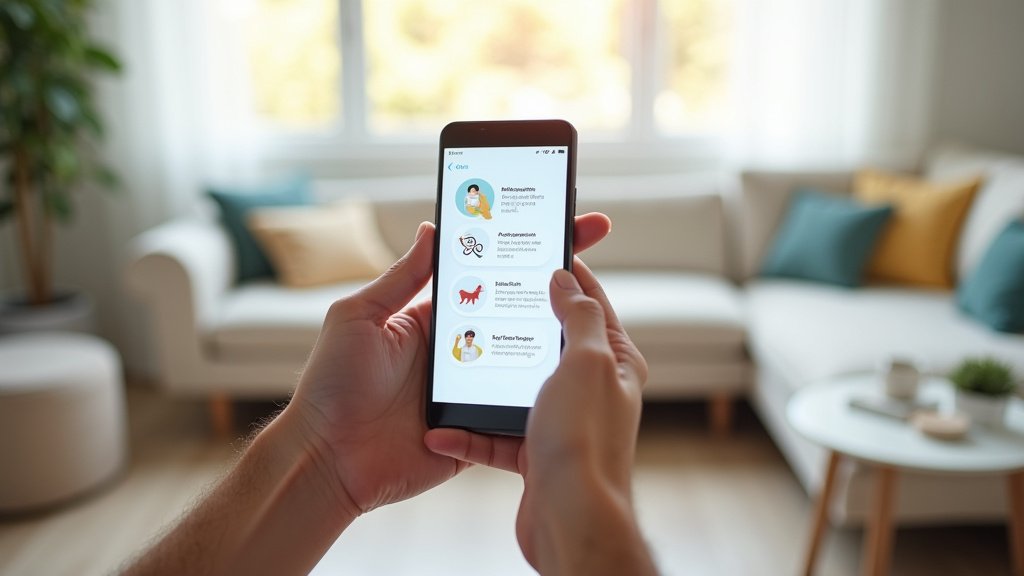
Digital Triage: Why 76% of Gen Z Now Consults AI for Health
The traditional patient journey—symptom, search engine, scheduling, office visit—is undergoing a radical transformation. According to the latest Aflac “Wellness Matters” survey, younger Americans are bypassing standard procedural hurdles, with a staggering 76% of Gen Z and 63% of millennials now turning to artificial intelligence as their first line of primary healthcare support before ever engaging a human professional. This data underscores a seismic shift in how younger demographics manage preventive wellness, prioritizing speed and accessibility over the clinical appointment process.
Key Highlights
- Generational Disparity: 76% of Gen Z and 63% of millennials utilize AI tools as their primary health diagnostic resource.
- Preventive Wellness Shift: Younger consumers are increasingly treating AI as a gatekeeper for professional care, drastically altering the traditional medical funnel.
- The Accessibility Gap: The preference for AI is driven by a desire for immediate, personalized answers rather than navigating the friction of traditional medical insurance and appointment scheduling.
- Institutional Impact: Healthcare providers must now account for patients arriving at appointments having already been ‘pre-diagnosed’ or pre-informed by AI models.
The Age of AI-First Medical Triage
The findings from the Aflac “Wellness Matters” survey illuminate a deeper psychological and practical trend: the commoditization of medical knowledge. For Gen Z, who have grown up with the internet as a default utility, AI chatbots—ranging from consumer-grade LLMs to health-specific diagnostic apps—represent a more efficient version of the search engine. They are not merely looking for articles; they are looking for interactive, symptom-specific assessments that provide immediate actionable advice.
The Speed-Accessibility Nexus
Traditional healthcare is often characterized by high friction. Between insurance verification, lengthy wait times for appointments, and the financial barrier of co-pays, the system is designed to be deliberative. AI, by contrast, is instant. This speed is the primary driver behind the 76% usage rate among Gen Z. In their view, AI acts as a sophisticated triage nurse. If the AI suggests a minor course of action (e.g., “increase hydration” or “monitor for 24 hours”), it saves them time, money, and the inconvenience of a doctor’s visit.
Accuracy vs. Efficiency: The Risk Factor
While the efficiency gains are undeniable, the reliance on AI for primary healthcare introduces a complex set of risks. The fundamental issue is that these algorithms are designed to provide probabilities, not clinical diagnoses. When 76% of Gen Z looks to AI first, they are essentially using a probabilistic engine to make binary health decisions.
There is a notable “diagnostic bias” here. If a user inputs symptoms into an AI, the system’s response is constrained by the quality of the prompt and the limitations of its training data. Unlike a human physician, AI cannot perform a physical examination, smell a patient, or read subtle non-verbal cues that often lead to a correct diagnosis. This creates a reliance on potentially flawed information, leading to what some medical professionals fear will be an increase in both under-diagnosis (due to false reassurance) and over-diagnosis (due to health anxiety generated by AI outcomes).
The Future of the Doctor-Patient Dynamic
Perhaps the most significant takeaway from the Aflac report is the evolution of the doctor-patient relationship. Physicians are no longer the “gatekeepers” of medical information. They are now the “validators” of AI-informed patient hypotheses. When a millennial or Gen Z patient walks into an office, they often come with a list of potential conditions identified by their AI assistant.
This shift forces physicians to adjust their bedside manner. The doctor is no longer just diagnosing; they are managing the patient’s AI-informed expectations. This requires a higher degree of communication and digital literacy from medical providers, who must be prepared to debunk, clarify, or confirm information that the patient has already processed through a non-clinical, algorithmic lens.
Economic Implications for Healthcare
The economic downstream effects of this trend are profound. If consumers successfully utilize AI to manage minor ailments, this could theoretically reduce the burden on urgent care clinics and emergency rooms, lowering costs for routine issues. However, if this trend leads to delayed care for serious conditions because the AI provided a false sense of security, the long-term cost to the healthcare system could be catastrophic. Insurance companies and hospital networks will likely need to integrate their own, verified AI tools to provide a safer alternative to the current unregulated landscape of chatbots.
FAQ: People Also Ask
Q: Why do Gen Z and millennials trust AI over doctors for initial health concerns?
A: It is rarely a matter of trusting the AI more than a doctor, but rather a matter of convenience and friction reduction. The AI is instantaneous, available 24/7, and free, whereas professional care involves scheduling, commuting, and financial costs.
Q: Is using AI for health diagnostics safe?
A: Most medical experts advise caution. While AI can be a helpful tool for understanding symptoms or general health information, it is not a clinical tool. It can hallucinate facts, fail to account for medical history, and provide generic advice that may be inappropriate for specific individuals.
Q: How are doctors responding to “AI-informed” patients?
A: Doctors are increasingly having to adapt to patients who arrive with self-diagnoses provided by AI. The current shift is towards “collaborative care,” where the physician guides the patient through verifying the information they found online.
Q: Will this trend reduce healthcare costs?
A: It could reduce costs associated with minor, non-essential visits to urgent care. However, the risk lies in potential misdiagnoses that could require more expensive, complex care later, should the AI-driven triage fail to identify a serious issue early.


Related Posts