August 4 Primaries: Progressives, AIPAC, and the Trump Filter
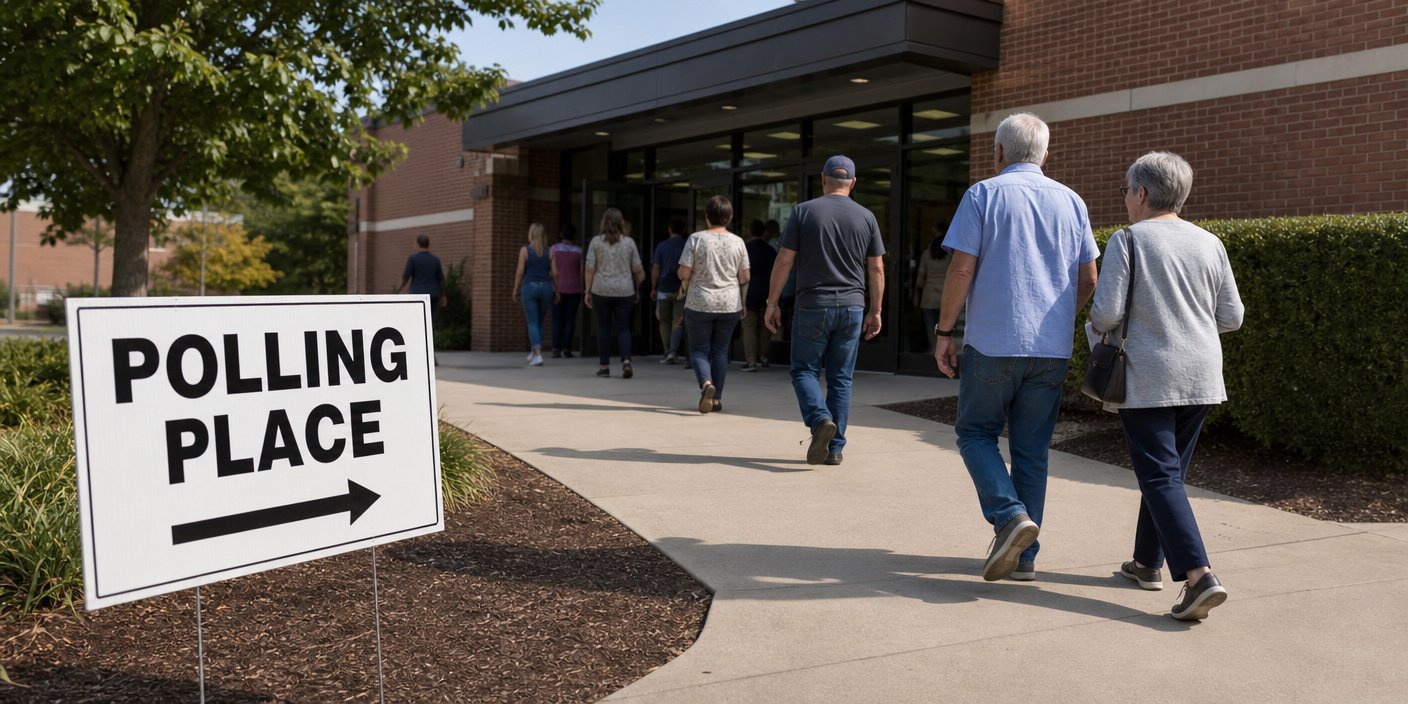
As the mid-summer heat settles over the electorate, the August 4, 2026, primary elections have crystallized the shifting power dynamics defining American politics. Across several key states, voters are navigating a political landscape defined by two distinct, high-stakes conflicts: the ideological tug-of-war within the Democratic Party regarding foreign policy and institutional influence, and the ongoing effort by former President Donald Trump to solidify his control over the Republican Party via loyalty-based endorsements.
The Democratic Schism: Ideology vs. Institutional Backing
For the Democratic Party, the August 4 primaries serve as a decisive arena for the ongoing debate between the party’s progressive wing and its moderate-to-centrist establishment. The central tension revolves around foreign policy and the role of external advocacy groups, most notably the American Israel Public Affairs Committee (AIPAC). In previous cycles, this dynamic was often sidelined, but in 2026, it has moved to the forefront of campaign discourse.
Progressive candidates are framing their platforms around a critique of traditional institutional influence, arguing that independent, grassroots-funded campaigns are the only path to authentic representation. Conversely, AIPAC-backed challengers—often supported by substantial financial resources—are positioning themselves as pragmatic bridge-builders who emphasize the necessity of strong, traditional alliances. This conflict is not merely about specific policy positions; it is a referendum on the future identity of the party. The results emerging tonight are expected to signal whether the progressive coalition can successfully insulate itself from the influx of PAC-driven campaign spending or if the party establishment retains the upper hand in candidate selection.
The MAGA Litmus Test: Trump’s Influence in Republican Primaries
On the Republican side of the ledger, the narrative is markedly different. The primary season has functioned as a “loyalty audit” of the GOP. Donald Trump, even while navigating his post-presidential political trajectory, has utilized his endorsement power to shape the composition of the party’s down-ballot candidates. The August 4 contests feature a series of candidates who have made adherence to Trump’s platform the central pillar of their campaigns.
Analysts are watching these races closely to determine the elasticity of the “Trump endorsement.” In suburban districts where the party is attempting to court moderate swing voters, some Trump-endorsed candidates have attempted to pivot toward more traditional conservative messaging, while in rural strongholds, the focus remains on “America First” ideology. The success or failure of these candidates tonight will either validate the continued potency of Trump’s endorsement as the gold standard in GOP politics or reveal a burgeoning desire among the Republican base for a transition to a new generation of leadership independent of the former president’s direct intervention.
Campaign Finance and the AIPAC Factor
One of the most defining characteristics of this election cycle is the sheer volume of capital flowing into contested Democratic primaries. The involvement of PACs and Super PACs, specifically those affiliated with AIPAC, has introduced a level of fiscal asymmetry rarely seen in primary contests. Critics of this spending argue that it drowns out local discourse and effectively selects candidates before the electorate has a meaningful chance to vet them. Supporters, however, contend that the spending is a necessary counter-balance to the progressive wing’s reliance on grassroots organizing and social media mobilization.
This fiscal “arms race” has fundamentally changed how candidates campaign. With airwaves saturated by both incumbent progressives and well-funded challengers, the role of ground-game canvassing has never been more critical. As the numbers from the August 4 polls are tallied, the effectiveness of these spending strategies will be under intense scrutiny, likely leading to a re-evaluation of how campaign finance regulations interact with the primary process in future cycles.
Looking Ahead: Implications for the November Midterms
The results from this Tuesday are not merely symbolic; they are the preamble to the general election. The composition of the ballot determined tonight will dictate which party enters the November midterms with the strongest momentum. For Democrats, a night of significant progressive losses could lead to a demoralization of the party’s youth and grassroots base, potentially suppressing turnout in the fall. Conversely, a strong showing could energize the wing and force a pivot toward more aggressive domestic policies.
For Republicans, the stakes are equally high. If Trump-endorsed candidates struggle to break through in general-election-leaning districts, the party leadership may face internal pressure to rethink its candidate selection strategy. The results of this primary cycle will serve as a diagnostic tool, providing both parties with the data necessary to adjust their messaging, fundraising strategies, and outreach efforts for the final push toward November.
FAQ: People Also Ask
Q: Why are these primaries occurring on August 4, 2026?
A: Primary dates are set by state legislatures based on election laws. August is a common timeframe for mid-cycle primaries, allowing parties enough time after the nomination phase to consolidate support for the general election in November.
Q: What is the significance of the AIPAC intervention in these races?
A: AIPAC’s involvement typically centers on ensuring that candidates who support the U.S.-Israel alliance win Democratic primaries. It represents a significant financial investment in specific candidates, often aimed at unseating incumbents perceived as hostile to that alliance.
Q: Are Trump endorsements still considered a guarantee for victory?
A: The effectiveness of Donald Trump’s endorsements has proven to be variable. While they remain highly influential in deep-red districts, they face greater scrutiny and mixed results in swing districts where moderate voters represent the deciding bloc.
Q: How does the progressive wing respond to the influence of Super PACs?
A: Progressive candidates typically counter the influx of outside PAC money by emphasizing grassroots organizing, individual donor volume, and door-to-door canvassing, attempting to frame the spending as an attempt by outsiders to influence local voter choice.


Related Posts