Tragedy in Utah: Two Killed in Skycrane Wildfire Crash
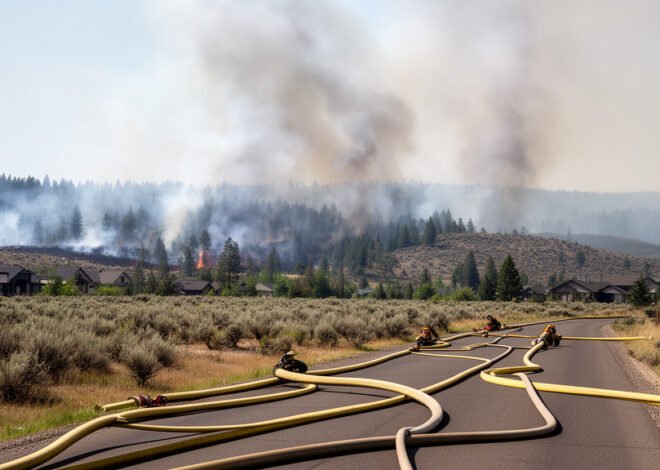
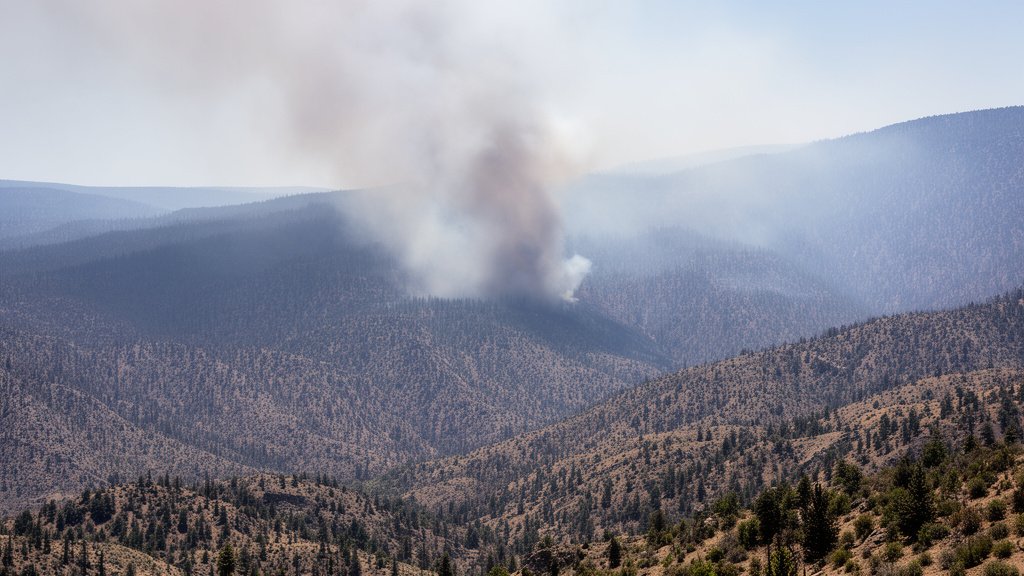
A devastating aviation accident has occurred near Richfield, Utah, where a Sikorsky S-64 ‘Skycrane’ helicopter, actively engaged in suppressing the Widemouth 2 wildfire, crashed, resulting in the tragic deaths of the pilot and one crew member. The incident, which occurred during critical containment operations, has shocked the aerial firefighting community and prompted an immediate federal investigation.
Key Highlights
- Aircraft Involvement: The crashed vessel has been identified as a Sikorsky S-64 Skycrane, a heavy-lift helicopter critical to modern wildland fire suppression.
- Incident Location: The tragedy took place near Richfield, Utah, amidst ongoing efforts to contain the Widemouth 2 wildfire.
- Confirmed Casualties: Both occupants aboard the aircraft—the pilot and one crew member—have been confirmed dead by local authorities.
- Federal Oversight: The National Transportation Safety Board (NTSB) and the Federal Aviation Administration (FAA) have initiated a multi-agency investigation to determine the root cause of the crash.
The Anatomy of a High-Stakes Aerial Response
The Widemouth 2 wildfire presented severe challenges, necessitating the use of heavy-lift assets like the Sikorsky S-64 Skycrane. These aircraft are the ‘heavy hitters’ of the wildfire world, capable of dropping thousands of gallons of water or retardant in a single pass. However, operating such machines in the mountainous, unpredictable terrain of Central Utah involves an immense margin of danger, exacerbated by extreme heat, shifting wind currents, and the high-density altitude that reduces engine performance.
The Sikorsky S-64: A Titan of Suppression
The Skycrane is distinct not just for its capacity, but for its design—a ‘flying crane’ specifically engineered for heavy-lift utility. When deployed to wildfires, these machines act as the primary defense against crown fires, where flames jump from tree top to tree top, often in terrain inaccessible to ground crews. The loss of such an asset is a blow to the operational capability of the fire management teams currently assigned to the Widemouth 2, but the human cost remains the primary focus of the mourning community.
The Operational Hazards in Utah
Firefighting aviation is inherently dangerous, even under optimal conditions. In the region surrounding Richfield, the topography is rugged and the thermal conditions can change in a matter of seconds. Pilots often face ‘downturn’ winds—rapidly sinking air that can force an aircraft toward the terrain. Investigators are likely to look at whether mechanical failure, pilot disorientation, or a localized weather event contributed to the flight path deviation that led to the crash. Data from the aircraft’s avionics, if recovered intact, will be central to reconstructing the final moments of the flight.
Investigative Protocols and Aviation Safety
The National Transportation Safety Board (NTSB) has deployed a ‘Go Team’ to the site in Richfield. Their methodology is rigorous: they will secure the wreckage, map the debris field, and interview eyewitnesses. Unlike commercial aviation crashes, which often occur at high altitudes, aerial firefighting accidents frequently involve complex interactions with terrain and smoke, making the debris patterns significantly more chaotic. The NTSB’s preliminary report is expected to focus on maintenance records, crew duty logs, and environmental factors at the time of the incident.
Why Wildfire Aviation is Unique
Unlike standard air transport, aerial firefighting involves ‘low and slow’ maneuvers in hostile environments. The aircraft is constantly battling the heat of the fire, which alters air density, effectively tricking the aircraft’s sensors and performance capabilities. Furthermore, the smoke often obscures visibility, forcing pilots to rely on intense training and experience rather than visual navigation alone. This crash highlights the inherent risks taken by these contractors every season, often flying in conditions that would ground other types of aviation.
Economic and Strategic Impact
The loss of two crew members and a heavy-lift aircraft creates a double tragedy. Economically, the loss of an S-64 is significant, as these machines are highly specialized and limited in supply. Strategically, the fire management response to the Widemouth 2 wildfire will be temporarily compromised as air traffic control and the incident management team reconfigure the aerial suppression plan. This recalibration is necessary to ensure safety but can inevitably slow the progress of containment, allowing the fire to expand further in the interim.
FAQ: People Also Ask
What is the primary role of the Sikorsky S-64 Skycrane in firefighting?
The S-64 Skycrane is a heavy-lift helicopter used to drop large volumes of water or fire retardant on active wildfires. Its ability to hover and deliver high-precision drops makes it an essential tool for containment in rugged terrain where ground crews cannot reach.
Who is investigating the Utah helicopter crash?
The National Transportation Safety Board (NTSB) is leading the investigation, supported by the Federal Aviation Administration (FAA). They are responsible for determining the probable cause of the accident, ranging from mechanical failure to human error or environmental conditions.
How does terrain affect wildfire aerial operations?
Mountainous terrain, like that near Richfield, creates complex air currents and rapid thermal changes. Pilots must navigate high-density altitudes, which can negatively impact engine performance, while dealing with ‘downturns’ and poor visibility caused by smoke.
What happens to the Widemouth 2 wildfire response now?
Following the accident, air operations were likely paused to ensure safety and allow for the recovery of the victims. The fire management team will need to reorganize the aerial support structure, potentially bringing in replacement aircraft from other regions to maintain containment lines.


Related Posts