August 11 Primaries: Key Senate and House Races Unfold
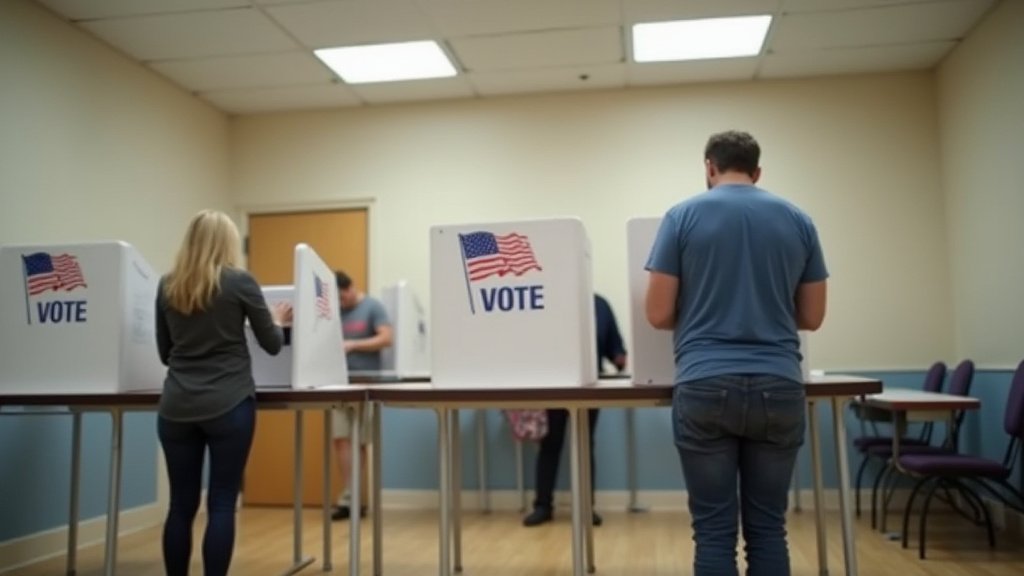
Voters across a diverse swath of the United States, including Connecticut, Minnesota, Vermont, Wisconsin, Alabama, and South Carolina, cast their ballots on August 11, 2026, in a series of critical primary elections. These contests, ranging from quiet local nominations to high-stakes special congressional races, served as a crucial barometer for the political climate ahead of the general election. While the media spotlight remained firmly fixed on the special nomination process to fill the Senate vacancy left by the late Senator Lindsey Graham in South Carolina, the administrative logistics and voter turnout across these six states offered a complex picture of civic engagement and party mobilization.
Key Highlights
- South Carolina Senate Vacancy: The high-profile nomination process to succeed the late Senator Lindsey Graham dominated regional headlines, with party insiders and voters weighing potential successors in a contest of significant national importance.
- Alabama Congressional Specials: Alabama held critical special congressional primaries, drawing intense scrutiny as candidates vied for open seats in a landscape defined by redistricting and local policy debates.
- Multi-State Turnout: Voters in Connecticut, Minnesota, Vermont, and Wisconsin navigated varied ballot measures and primary contests, reflecting the unique localized issues driving turnout in these regions.
- Political Climate: The August 11 results are widely viewed by analysts as a litmus test for party cohesion and the efficacy of grassroots mobilization efforts in the lead-up to the broader legislative showdowns.
The Strategic Importance of the August 11 Primaries
The electoral landscape of August 11, 2026, was not merely a routine calendar event; it represented a strategic chokepoint for both major political parties. Across the six states holding primaries, the focus shifted from broad national narratives to the granular details of candidate selection. The primary system serves as the filter through which party platforms are refined, and in states like South Carolina and Alabama, the stakes were elevated by the specific nature of the vacancies being filled.
The South Carolina Senate Nomination
Perhaps the most watched race of the day was the nomination process in South Carolina. The vacancy created by the passing of Senator Lindsey Graham forced a rapid realignment of political alliances within the state. As voters went to the polls, the central question was not just about policy, but about continuity—whether the party apparatus would coalesce around a figure who mirrors the traditionalist approach of the late Senator or if there was a palpable appetite for a populist insurgent. The mechanics of this primary were rigorous, with local election officials managing an influx of voters eager to shape the future of a seat that has historically held immense sway in Washington D.C. The high stakes meant that voter turnout was projected to be significantly higher than a standard off-year primary, as the electorate recognized that the choice made on August 11 would essentially determine the next occupant of the Senate seat.
Alabama’s Special Congressional Battles
In Alabama, the narrative was driven by special congressional primaries that highlighted the state’s shifting demographic and ideological map. Special elections are notorious for lower turnout, yet the intensity of the campaigning in these districts suggested otherwise. Candidates focused heavily on localized economic issues, infrastructure, and the post-pandemic recovery, attempting to bridge the gap between rural constituents and the state’s urban centers. The complexity of these races lay in the multi-candidate fields, which often require careful coalition building to secure a plurality. These primaries tested the strength of organizational support, with PACs and local committees pouring resources into the districts in a final, frantic push to secure their preferred nominees before the general election cycle officially begins.
Regional Snapshots: The Northern and Midwestern Focus
While the South and the special elections captured the national eye, the primaries in Connecticut, Minnesota, Vermont, and Wisconsin provided essential data on regional sentiment.
- Wisconsin: Often a swing state bellwether, Wisconsin voters focused on local administrative roles and state legislative seats, which function as the bedrock of the party’s grassroots power.
- Minnesota & Vermont: These states saw a focus on internal party platforms, with progressive and moderate factions vying for influence. The outcomes in these states are often indicative of future trends in legislative policy and are closely watched by national strategists.
- Connecticut: The primaries here centered on fiscal responsibility and education policy, reflecting the concerns of the suburban electorate that frequently decides the outcome of local contests.
Secondary Angles: Examining the Political Landscape
To fully understand the significance of the August 11 results, one must look beyond the raw vote counts. First, there is the matter of Institutional Memory vs. Reform. In races like the South Carolina Senate vacancy, voters were essentially deciding whether to double down on the status quo or pivot toward a new political era. Second, the Economic Impact of Campaigning cannot be understated; the sheer amount of capital deployed into these local elections signals the perceived value of these seats. Third, the Administrative Resilience of these states is on trial. Managing a primary across multiple states with varying rules—from mail-in ballot thresholds to early voting windows—is a logistical feat that serves as a stress test for the integrity of the 2026 election cycle as a whole.
These results do not exist in a vacuum. They are ripples in a larger pond, indicating shifting priorities and the evolving power structures within the national parties. By the time the final tallies were confirmed, the landscape of the 2026 legislative race had fundamentally shifted, setting the stage for what promises to be a deeply consequential general election.
FAQ: People Also Ask
1. Why were there special elections on August 11, 2026?
Special elections are typically triggered by vacancies in office, such as the retirement, resignation, or death of a sitting official. In the case of South Carolina, the vacancy was created by the passing of Senator Lindsey Graham, necessitating a special process to fill the seat.
2. How do primary election results on August 11 influence the November general election?
Primaries select the candidates who will appear on the ballot in November. These results determine the ideological leaning and viability of the nominees, which can significantly sway voter enthusiasm and the ultimate outcome of the general election.
3. Is voter turnout typically high during primary elections?
Historically, primary turnout is lower than general election turnout. However, in cycles featuring high-profile seats or competitive special elections—such as the 2026 races in South Carolina and Alabama—turnout tends to increase as voters recognize the importance of their early input.
4. Where can I find official, verified results for the August 11 primary?
Official results are managed by state and county election boards. Voters are encouraged to check the Secretary of State’s website for their specific state to access the final, certified tallies.


Related Posts