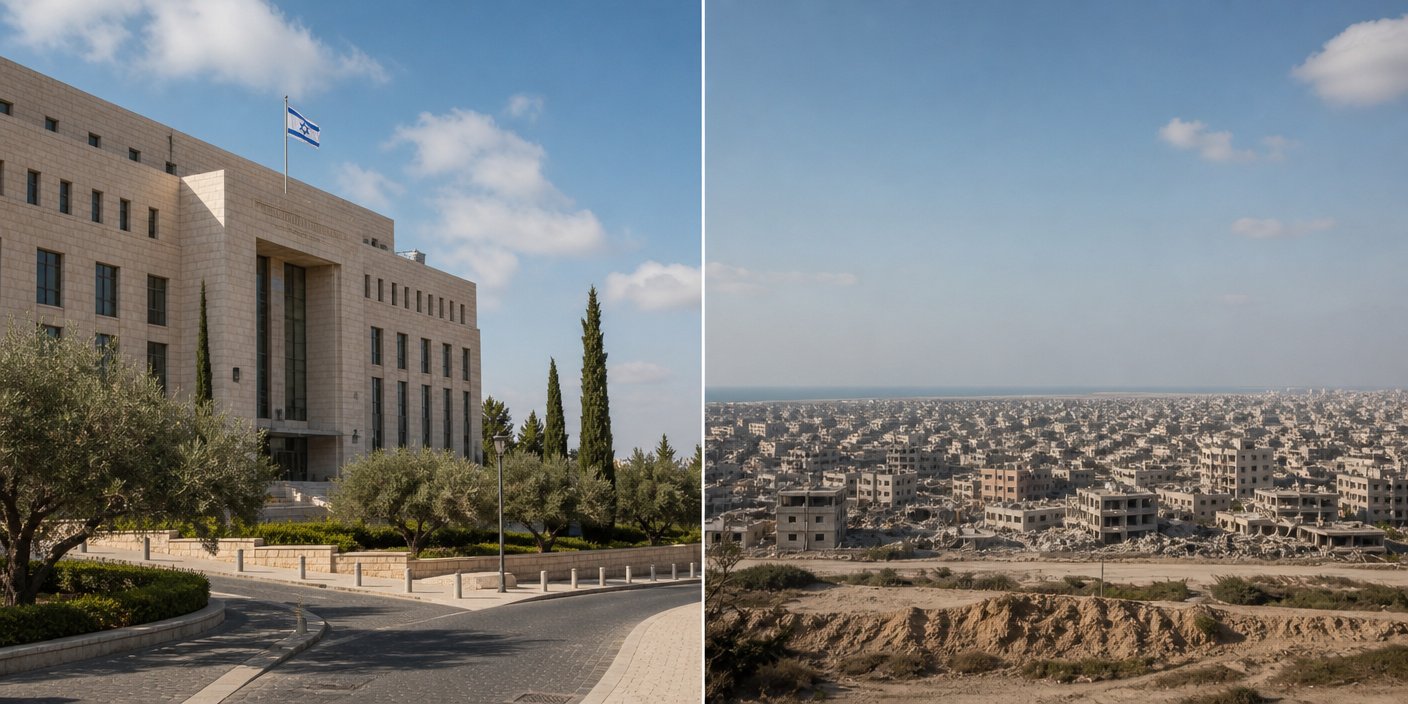
Gaza Strikes Shatter Ceasefire Hopes Following Kushner Talks
At least 10 people were killed in two Israeli airstrikes in Gaza on Wednesday, casting an immediate and severe shadow over US-backed ceasefire efforts. The violence erupted mere days after high-level talks between Jared Kushner and Prime Minister Benjamin Netanyahu, highlighting the profound disconnect between top-tier diplomatic maneuvers and the kinetic reality on the ground. As regional stakeholders and international observers attempt to navigate a path toward stability, the latest bloodshed underscores the extreme fragility of current negotiations and the volatile nature of the ongoing conflict.
Key Highlights:
- At least 10 fatalities confirmed in two separate Israeli airstrikes in Gaza on Wednesday.
- The escalation occurs days after Jared Kushner visited Benjamin Netanyahu, complicating US-brokered ceasefire momentum.
- Israeli forces successfully detained a high-ranking Hamas police colonel in southern Gaza during the operation.
- The dual nature of these events—diplomatic engagement versus intensified military action—exposes the deepening rift in peace-process expectations.
Diplomacy at a Crossroads: The Friction Between Talk and Tactics
The immediate aftermath of the Wednesday strikes has created a palpable sense of stagnation in the diplomatic corridor. While the US-backed ceasefire efforts were ostensibly gaining traction following the high-profile visit of Jared Kushner to Benjamin Netanyahu, the latest airstrikes have forcefully reset the narrative. This dynamic creates a challenging environment for mediators who must balance the necessity of public diplomatic progress with the reality of operational military decisions taken by the Israel Defense Forces (IDF).
The Illusion of Progress Amidst Kinetic Operations
One of the primary friction points identified by regional analysts is the perceived disconnect between the strategic, high-level diplomatic visits and the operational tempo of the conflict. Kushner’s visit, widely framed as an attempt to find a bridge between conflicting regional interests, was intended to provide a window for de-escalation. However, the subsequent airstrikes—resulting in the loss of 10 lives—demonstrate that operational military directives often supersede or operate in parallel to diplomatic initiatives.
For the diplomatic effort to bear fruit, there must be a synchronized cessation of violence. When military operations continue to produce significant casualty counts, the political capital required to maintain ceasefire negotiations evaporates. This creates a cycle where every attempt to find a solution is immediately undermined by the next security event, forcing negotiators back to square one.
Tactical Objectives: The Arrest of the Hamas Police Colonel
In addition to the airstrikes, the detention of a Hamas police colonel in southern Gaza represents a significant tactical maneuver. Intelligence-gathering operations, such as the targeting of key security infrastructure and personnel, are standard procedure for the IDF. However, the timing of such an arrest—conducted concurrently with intense kinetic action—serves as a strong message to Hamas leadership regarding the reach of Israeli intelligence and ground forces.
This arrest is not merely a tactical victory; it is a signal of the current Israeli security strategy: to dismantle Hamas’s operational hierarchy from the ground up, even while diplomatic talks proceed in the background. Analysts note that such actions are often perceived by opposing parties as a deliberate disruption to ceasefire talks, or conversely, as a necessity to ensure that any future agreement is negotiated from a position of overwhelming strategic advantage.
The Geopolitical Ripple Effect
The failure to maintain a pause in hostilities impacts more than just the immediate parties involved. It tests the resolve of international intermediaries, particularly the US State Department and regional allies who are heavily invested in brokering a long-term solution. When ceasefire progress is interrupted so violently, it reduces the trust international partners have in the ability of either side to honor long-term commitments.
Furthermore, the regional volatility creates pressure on other Arab nations to either withdraw their support for US-led initiatives or to double down on their own separate, often competing, mediation efforts. This fragmentation of the diplomatic front makes a cohesive, lasting ceasefire increasingly difficult to architect, as various stakeholders begin to prioritize their own immediate security concerns over the broader, multilateral agreement.
FAQ: People Also Ask
Q: How do the recent strikes impact the ceasefire timeline?
A: The recent strikes introduce significant delays. By causing loss of life and escalating tensions, they force negotiators to pause and reassess the feasibility of current terms, effectively resetting progress made during the recent diplomatic visits.
Q: What is the significance of the Hamas police colonel’s detention?
A: The detention of a high-ranking Hamas official is a major intelligence and operational success for the IDF. It signals that Israel is continuing to aggressively target Hamas’s leadership structure, which complicates the ceasefire environment by demonstrating that military pressure will not stop during diplomatic talks.
Q: Why does the US diplomatic involvement face such scrutiny?
A: The US is a primary mediator. When violence escalates shortly after high-profile visits like Kushner’s, it invites criticism regarding the effectiveness of US leverage and the ability of Washington to influence the ground-level behavior of both the Israeli government and their counterparts.


Related Posts