Diplomatic Freeze: Russia Shuts German Cultural Hubs in Major Escalation
In a severe escalation of the deepening diplomatic rift between Moscow and Berlin, the Russian Foreign Ministry has confirmed the closure of all German cultural centers within its borders. This move marks a definitive end to decades of institutionalized cultural cooperation and comes as a direct retaliatory measure following the German government’s decision to shutter the Russian Consulate and the ‘Russian House’ cultural center in Germany earlier in 2023.
Key Highlights
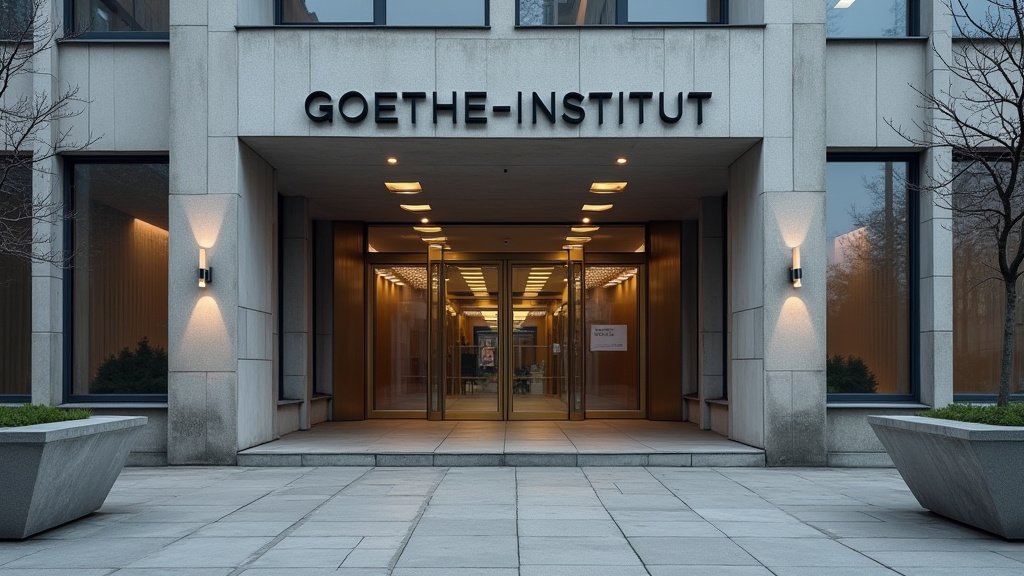
- Retaliation Tactics: The closure of Goethe-Institut branches across Russia is a response to Germany’s forced reduction of Russian diplomatic presence and the closure of Russian cultural hubs in Berlin.
- End of an Era: The move effectively severs the official institutional bridge for cultural and educational exchange that has existed since the post-Cold War era.
- Diplomatic Fallout: Relations between Moscow and the Federal Republic of Germany have reached their lowest point since the dissolution of the Soviet Union.
- Operational Impact: Hundreds of employees and thousands of students, researchers, and artists relying on these centers are now facing an immediate operational vacuum.
The Strategic Rupture of Cultural Diplomacy
The decision to shutter the Goethe-Institut network, which functioned as the primary vehicle for German language education and cultural exchange in Russia, represents more than a bureaucratic closure; it is a calculated severance of soft power. For years, these institutions served as a neutral ground where German-Russian dialogue could persist, even as political tensions fluctuated. By targeting these specific facilities, the Kremlin has signaled that it is no longer interested in maintaining the facade of ‘business as usual’ regarding cultural soft power in the face of European-led sanctions and diplomatic expulsions.
The Tit-for-Tat Timeline
The cycle of escalation began when Germany, as part of a broader European Union initiative to limit Russian intelligence-gathering operations under the guise of diplomatic missions, imposed a strict cap on the number of Russian diplomatic staff allowed to remain in the country. This led to the closure of several Russian consulates and the controversial ‘Russian House’ in Berlin, which had long been scrutinized by German intelligence for its role in promoting pro-Kremlin narratives. Moscow’s immediate response was not limited to words; it was defined by the systematic, nationwide expulsion of German institutions from Russian soil.
Impact on Intellectual and Academic Exchange
Beyond the political headlines, the closure of these centers has immediate, tangible consequences for Russian citizens. The Goethe-Institut was not merely an embassy for culture; it was a primary accreditation body for language testing, research grants, and student exchanges. With these offices now shuttered, thousands of Russian students and professionals seeking to study in Germany or engage in collaborative academic research are facing a significant hurdle. The removal of these institutions effectively creates an ‘intellectual iron curtain,’ limiting the flow of information and cultural exchange that historically helped buffer against total diplomatic collapse. The loss of these centers means that the German state no longer has an official footprint for soft diplomacy, leaving the two nations with almost no channels of communication outside of hardened, formal diplomatic exchanges.
The Geopolitical Reconfiguration
This move by Moscow must be viewed through the lens of a broader, more aggressive geopolitical posture. By forcing out German institutions, Russia is signaling to the European Union that it is prepared to dismantle all vestiges of its pre-war diplomatic framework. Germany, as the largest economy in the EU and a historical bridge-builder with Moscow, has been the primary target of this isolationist strategy. Analysts argue that this is not merely a defensive reaction but part of a sustained campaign to push back against Western influence in Eastern and Central Europe, characterizing the cultural centers as ‘foreign-funded entities’ designed to promote Western ideological interests.
Future Implications for European Relations
The structural removal of these cultural hubs makes any potential path to normalization extremely difficult. Cultural ties typically form the ‘last line of defense’ in international relations; when these are cut, the infrastructure for future reconciliation is destroyed. The closure of these centers likely signals that the Russian government is preparing for a long-term period of isolation from Western European cultural paradigms, reorienting its domestic focus toward inward-looking nationalism and alternative alliances. As Moscow and Europe continue to spar over the conflict in Ukraine, the prospect of reopening these channels remains distant, replaced by an increasingly stark reality of geopolitical containment.
FAQ: People Also Ask
Q: Why exactly did Russia decide to close the German cultural centers?
A: Russia framed the closures as a direct retaliation for Germany’s decision to limit the number of Russian diplomatic staff permitted in Germany and to shut down the ‘Russian House’ cultural centers, which Berlin claimed were being used as hubs for espionage and propaganda.
Q: What is the primary function of the Goethe-Institut in this context?
A: The Goethe-Institut is Germany’s non-profit cultural association operating worldwide to promote the study of the German language and encourage international cultural exchange. Its closure in Russia removes the primary venue for German-Russian intellectual and educational collaboration.
Q: Does this mean the end of all Russian-German relations?
A: While official cultural and diplomatic ties are severely curtailed, private travel and individual commerce still exist. However, the closure of these centers represents the end of state-sponsored diplomatic cooperation, effectively freezing institutional relations between the two nations.
Q: What is the long-term impact on students from Russia?
A: Students and professionals will face significant challenges in language certification and academic support for German universities. This creates an immediate barrier for those seeking to work or study in Germany, effectively reducing the ‘people-to-people’ contact between the two nations.


Related Posts