NYFW 2027: Heritage Revivals and the New Designer Wave
As the global fashion calendar shifts into the Spring/Summer 2027 (SS27) season, New York Fashion Week has emerged as the definitive stage for a significant industry pivot. This cycle is defined less by radical disruption and more by a sophisticated recalibration of brand identity. For insiders and enthusiasts alike, the focus has moved squarely toward the intersection of archival heritage and the new creative guard, signaling a maturation of the American luxury market.
Key Highlights
- The Zankov Era: Henry Zankov’s inaugural collection for Diane von Furstenberg stands as the season’s primary focal point, marking a transition toward structural knitwear.
- Heritage Focus: Major legacy houses are leaning heavily into archival re-interpretations, prioritizing brand equity over experimental volatility.
- Strategic Scheduling: The SS27 calendar features a condensed, high-impact format, emphasizing quality-over-quantity runway presentations.
- Market Alignment: Designers are responding to economic pressures by aligning creative output with demand for longevity and craftsmanship rather than ephemeral trends.
The Resurgence of American Heritage and the New Guard
New York Fashion Week has historically served as the American industry’s pulse, and the SS27 edition is currently functioning as a correction mechanism. According to industry reports, including the definitive guidance provided by Wallpaper Magazine, the narrative this season is heavily skewed toward “re-anchoring” the American aesthetic. We are witnessing a clear departure from the streetwear-dominated cycles of the early 2020s, favoring instead a return to structured, season-less elegance that prioritizes the longevity of the garment.
The Zankov Appointment: A Catalyst for DVF
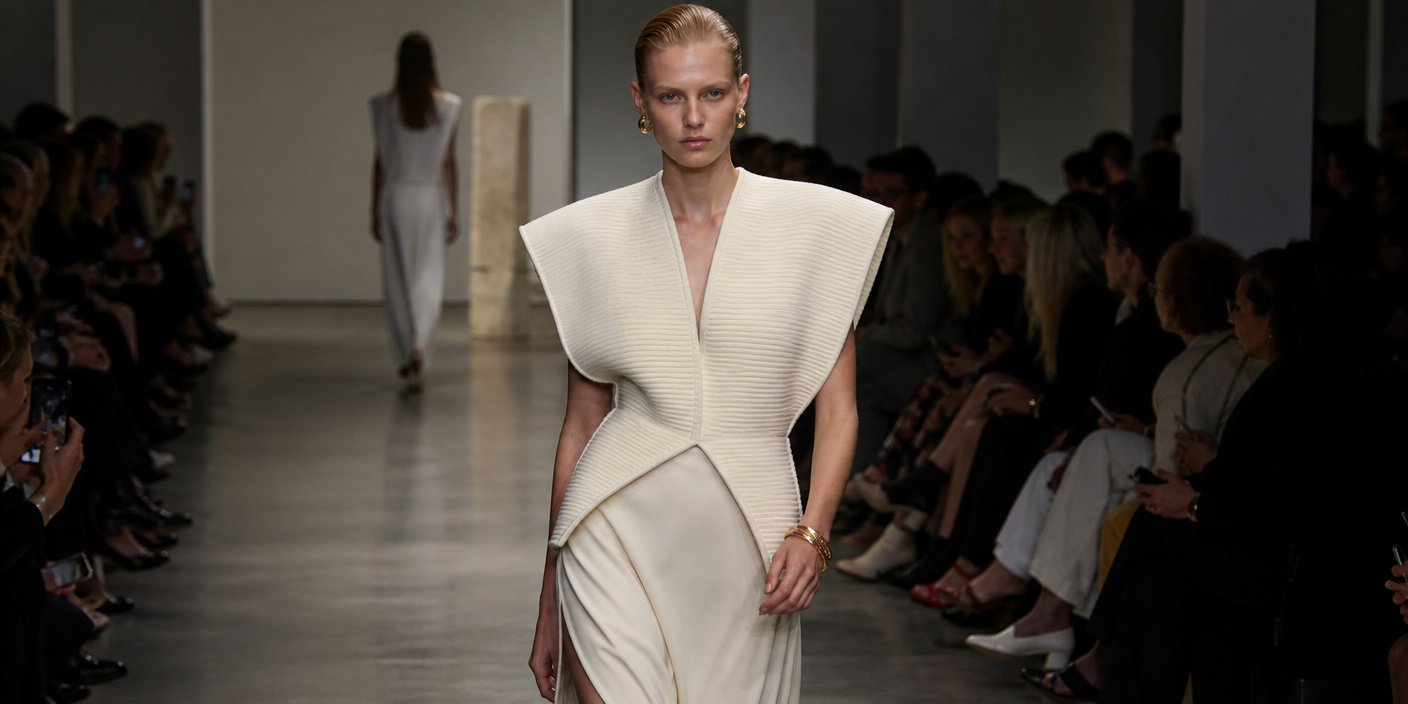
The most anticipated event of the week is undoubtedly Henry Zankov’s debut at the helm of Diane von Furstenberg. Industry analysts view this appointment as a strategic play to bridge DVF’s historic status as a champion of female empowerment with modern, sculptural design language. Zankov, known for his mastery of texture and color, has spent the last six months embedded in the DVF archives. The expectation is that he will evolve the brand’s iconic wrap aesthetic into something more architectural, blending the fluidity of jersey with the rigidity of tailored, urban silhouettes. This debut is seen as a bellwether for how heritage brands can successfully integrate modern creative directors without losing their core DNA.
The Archival Strategy
Beyond Zankov, the SS27 season is dominated by the “archival obsession.” Brands are no longer looking forward into the unknown but are instead mining their own histories to justify current collections. This is a pragmatic business decision. By revisiting silhouettes from the 1970s and 1990s, labels are insulating themselves against the unpredictable nature of viral trends. This archival approach acts as a stabilizer, appealing to both the loyal, legacy customer and the younger demographic currently prioritizing “old money” aesthetics and sustainable investment pieces. The focus is on the construction of the garment, the sourcing of the textile, and the history of the design house itself.
Economic Impacts and Global Positioning
The economic undercurrent of NYFW SS27 cannot be ignored. The Council of Fashion Designers of America (CFDA) has noted a shift in how budgets are allocated for runway presentations. Rather than spending astronomical sums on theatrical production, houses are opting for intimacy. Small, exclusive shows with higher production values and curated guest lists are replacing the cavernous, mass-audience venues of years past. This reflects the current luxury market, where exclusivity is the ultimate currency. Retailers are reporting that buyers are looking for “transitional pieces”—clothing that works as well in a corporate boardroom as it does at a weekend gala. This versatility is the primary metric by which SS27 collections are being judged.
Sustainability as a Structural Reality
Sustainability is no longer a marketing tagline; for the SS27 season, it has become a structural requirement. The supply chain constraints of the last three years have forced designers to adopt localized sourcing strategies. We are seeing a 15-20% increase in the use of deadstock fabrics and regionally manufactured textiles across the major labels. This shift is not just ethical; it is logistical. By shortening the supply chain, designers are able to respond faster to market shifts, a critical advantage in an economy that values agility alongside brand prestige.
The Future of the Runway
The runway itself is evolving. Digital integration—formerly a pandemic-era necessity—has been refined. The SS27 shows are utilizing hybrid formats, where the physical, visceral experience of the runway is being augmented by high-fidelity digital assets for the global buyer. This ensures that the “definitive guide” to fashion isn’t limited to those sitting front-row in Manhattan, but is accessible to the global audience in real-time, maintaining the reach of the event while elevating the prestige of the physical showing.
FAQ: People Also Ask
Q: What is the primary theme of NYFW Spring/Summer 2027?
A: The primary theme is “Heritage Reinvention.” Designers are pivoting back to their brands’ core archives to create timeless, high-quality pieces, with a major focus on the intersection of established luxury and contemporary architectural design.
Q: Why is Henry Zankov’s debut at DVF considered so significant?
A: Henry Zankov is expected to modernize Diane von Furstenberg’s iconic aesthetic. His ability to blend textured knitwear with structured, empowering silhouettes is seen as the perfect evolution for a heritage brand seeking to maintain relevance in a post-streetwear market.
Q: How has the runway show format changed for 2027?
A: The format has shifted away from massive, theater-style shows toward smaller, exclusive, high-production presentations that prioritize luxury, intimacy, and quality over sheer spectacle.
Q: Are heritage brands dominating this year’s schedule?
A: Yes. The SS27 schedule is heavily weighted toward established heritage houses that are leveraging their historical archives to build brand trust and appeal to the growing market demand for long-lasting, investment-grade fashion.


Related Posts