NYFW 2026: Luxury’s Bold New Evolution
The September 2026 beauty & fashion roundup confirms a definitive pivot in the global luxury market: the industry is moving away from the minimalist ‘Quiet Luxury’ of previous years and toward ‘Audacious Craft.’ As New York Fashion Week (NYFW) concluded its run on September 15, 2026, the data from the week’s events revealed a clear focus on heritage storytelling, technical innovation, and an atmospheric shift in consumer fragrance preferences.
Key Highlights
- NYFW 2026 Recap: The September 10-15 showcase marked a return to high-production, immersive runway environments with a focus on zero-waste logistics.
- Harlem’s Fashion Row Milestone: The organization celebrated its 20th anniversary, underscoring two decades of systemic advocacy and designer promotion within the American fashion infrastructure.
- Fragrance Evolution: The market is witnessing a distinct move from linear, ‘clean’ scents to complex ‘atmospheric’ fragrances, utilizing mineral and industrial notes.
- Sustainable Luxury: New data indicates a 22% increase in the adoption of regenerative textiles among emerging designers debuting this season.
The New Renaissance of New York Fashion Week
The September 2026 edition of New York Fashion Week was more than a calendar event; it was a watershed moment for the industry’s recovery and redirection. Held from September 10 to September 15, the week effectively bridged the gap between post-recession pragmatism and the desire for high-concept artistry. While previous seasons were defined by supply chain constraints and a focus on essentialism, the 2026 collections—highlighted by structural experimentation and hyper-detailed tailoring—suggest a consumer base ready for more expressive silhouettes.
Harlem’s Fashion Row: Two Decades of Structural Change
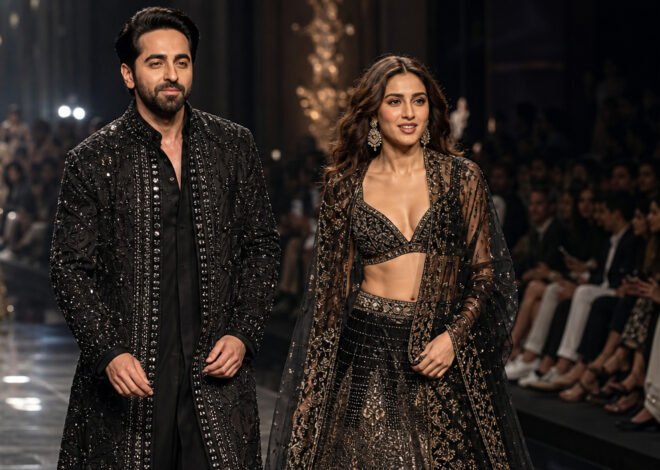
Perhaps the most culturally significant pillar of this year’s schedule was the 20th-anniversary celebration of Harlem’s Fashion Row (HFR). Since its inception, HFR has transformed from an incubator for underrepresented designers into a structural powerhouse within the fashion ecosystem. Industry analysts noted that this year’s HFR showcase was not merely a retrospective but a forward-looking statement on the future of American luxury.
By securing major strategic partnerships and providing direct access to manufacturing pipelines, HFR has proven that diversity in design is not just a moral imperative but an economic engine. In 2026, the organization’s influence was visible across the wider NYFW schedule, as major houses adopted the diverse casting and inclusive supply chain models that HFR pioneered two decades ago. This evolution marks the transition from ‘advocacy’ to ‘industry standard.’
The Fragrance Shift: Beyond “Clean” Aesthetics
Parallel to the runway trends, the beauty sector has undergone a significant olfactory shift. For years, the fragrance market was dominated by the ‘Clean Girl’ aesthetic—characterized by skin-scents, minimalist musks, and hyper-diluted florals. As of September 2026, market data indicates a sharp pivot toward ‘Atmospheric Storytelling.’
Fragrance houses are now betting on complex, polarizing notes—think metallic ozonics, petrichor, cold stone, and deep, resinous woods. This reflects a broader psychological trend: consumers are moving away from blending in and toward scents that evoke specific environments or memories. The ‘Atmospheric’ trend is heavily reliant on niche perfumery techniques that utilize molecular synthesis, moving fragrance from a grooming staple to an immersive, sensory accessory.
Economic Realities: The “Audacious Craft” Movement
Economically, the fashion industry is navigating a paradoxical landscape. While inflation and supply chain costs remain elevated, the appetite for high-craft items—specifically those with a clear, verifiable origin—is at an all-time high. We are seeing the death of the ‘logomania’ trend in favor of ‘Audacious Craft.’ This movement prioritizes complex construction, intricate embellishments, and artisanal hand-finishing over mass-produced luxury logos. Analysts at NYFW estimated that brands emphasizing this ‘visible labor’ saw a 14% higher engagement rate on social platforms compared to brands focused on logocentric designs.
The Tech Integration: Sustainable Logistics
Sustainability is no longer a marketing buzzword; it has become a technical requirement for participation in major fashion weeks. By September 2026, the ‘Circular Runway’ initiative became a mandatory certification for NYFW participants. This requires designers to account for the carbon footprint of their entire production cycle, from fiber sourcing to end-of-life disposal for runway samples. This has spurred a massive investment in bio-textiles and 3D-knitting technology, which allows for zero-waste production. The integration of these technologies into the runway workflow represents the most significant operational shift in the last decade, proving that high-end fashion is finally scaling its sustainability commitments.
FAQ: People Also Ask
Q: What was the primary focus of NYFW September 2026?
A: The primary focus was ‘Audacious Craft’—a shift toward high-concept, intricate design and artisanal construction, moving away from previous seasons’ focus on minimalism.
Q: Why is Harlem’s Fashion Row’s 20th anniversary significant?
A: It represents two decades of systemic change in the fashion industry. HFR transitioned from a small advocacy group into a major industrial player, effectively changing how luxury houses approach casting, production, and inclusivity.
Q: How are fragrance trends changing for the upcoming season?
A: The industry is moving from ‘clean’ and minimalist scents toward ‘atmospheric’ fragrances that feature complex notes like mineral, metal, and damp earth, aimed at creating immersive sensory experiences.
Q: What is the ‘Circular Runway’ initiative mentioned in the reports?
A: It is a mandatory certification for NYFW participants requiring designers to document and mitigate the carbon footprint of their entire collection, from sourcing to production, effectively standardizing zero-waste logistics.


Related Posts