US Approves $24.3B F-35 Saudi Deal: Air Power Shift
The US administration has formally approved a potential $24.3 billion sale of 48 F-35 fighter jets to Saudi Arabia, citing the need to support regional stability and national security objectives. This landmark agreement represents one of the most significant defense contracts in recent years, positioning the F-35 Lightning II as the cornerstone of Saudi air defense modernization efforts and highlighting the deepening strategic partnership between the two nations in the face of evolving regional threats.
Key Highlights
- Deal Valuation: A total projected contract value of $24.3 billion, covering aircraft, systems, and logistical support.
- Asset Count: The agreement authorizes the sale of 48 F-35 Lightning II aircraft.
- Strategic Rationale: Focuses on bolstering regional stability, enhancing interoperability between allied forces, and securing national security objectives.
- Technological Shift: Represents a significant leap in fifth-generation stealth capabilities for the Saudi Royal Air Force.
The Strategic Architecture of the F-35 Sale
The authorization of the $24.3 billion sale of 48 F-35 Lightning II fighter jets to Saudi Arabia is not merely a transactional exchange of hardware; it is a calculated geopolitical move that recalibrates the balance of air power across the Middle East. By integrating the F-35 into the Saudi Royal Air Force, the administration is effectively extending the technological umbrella of fifth-generation stealth capabilities deeper into the region. This decision comes after intense review of the logistical, security, and diplomatic implications, prioritizing the strengthening of a key strategic partner.
Technological Supremacy and Fifth-Gen Integration
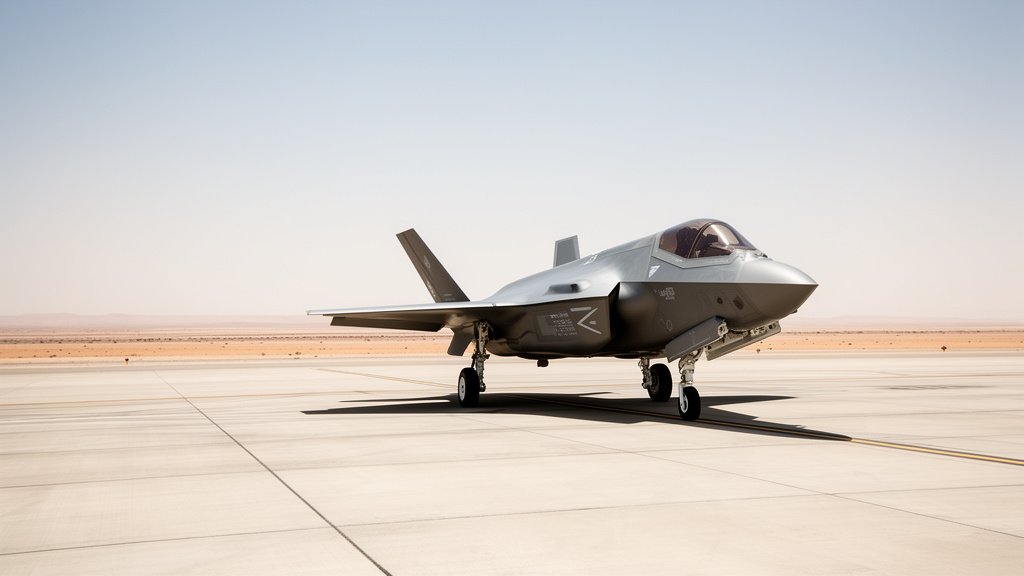
The F-35 Lightning II is widely considered the apex of modern aerial warfare, characterized by its advanced stealth technology, sensor fusion, and C5ISR (Command, Control, Communications, Computers, Cyber, Intelligence, Surveillance, and Reconnaissance) capabilities. Unlike fourth-generation fighters, the F-35 acts as a force multiplier. It does not just engage in combat; it acts as a flying computer network, gathering data from the battlefield and sharing it instantly with ground assets, naval vessels, and other aircraft. For Saudi Arabia, acquiring 48 of these airframes represents a quantum leap in situational awareness. The stealth profile allows for operations in contested environments where traditional radar-detectable aircraft would be vulnerable. This acquisition requires a total overhaul of existing pilot training protocols and maintenance infrastructure, necessitating years of collaboration between the US Department of Defense and Saudi military officials.
Navigating the Regional Security Landscape
From the perspective of the administration, the approval is framed squarely within the context of regional stability. The Middle East remains a complex theater where the proliferation of advanced drone technology and ballistic missiles by non-state actors and rival powers threatens critical infrastructure, including energy sectors and international shipping lanes. The introduction of 48 F-35s provides a powerful deterrent. By aligning the Saudi military hardware with US-standard systems, the deal also fosters greater ‘interoperability’—the ability for allied nations to communicate seamlessly during joint operations. This technical harmony is essential for rapid response scenarios, reducing reaction times and streamlining command structures during periods of heightened tension.
Economic Impact and the Defense Industrial Base
Beyond the geopolitical sphere, the deal is a massive victory for the US defense industrial base. Lockheed Martin, the primary manufacturer of the F-35, along with a vast ecosystem of subcontractors, stands to gain significant momentum. The $24.3 billion price tag is not limited to the jets; it encompasses long-term service contracts, engine manufacturing, specialized pilot helmets, advanced weaponry packages, and simulation training centers. This sustained investment creates high-skilled jobs across the United States. Moreover, the long-term support agreements ensure that the relationship between the US and Saudi Arabia remains anchored by deep technical dependency for decades to come. This ‘lock-in’ effect is a classic feature of major defense exports, as the maintenance of these platforms requires ongoing US oversight, technology updates, and supply chain management.
Logistics and the Path to Deployment
The transition from signature to deployment is a marathon, not a sprint. The sale is categorized under the Foreign Military Sales (FMS) program, which mandates rigorous oversight. Before a single F-35 touches down in Saudi Arabia, thousands of hours must be invested in building the necessary ‘low-observable’ hangars, specialized fuel systems, and secure data-link facilities. There is also the human capital factor: training a generation of pilots to master the unique sensor-fused cockpit of the F-35 is a years-long endeavor. This deal will likely trigger a series of joint exercises, where Saudi pilots train alongside US Air Force counterparts, further embedding US military doctrine and tactics into the Saudi defense framework. This cultural and tactical assimilation is perhaps the most lasting legacy of such a substantial arms transfer, arguably more important than the physical airframes themselves.
FAQ: People Also Ask
1. Why is the F-35 considered a ‘game-changer’ for the Saudi military?
The F-35 is a fifth-generation fighter that combines stealth, speed, and advanced sensors. It can penetrate enemy airspace undetected and share real-time tactical data with other friendly assets, offering capabilities that are currently unavailable in the Saudi inventory.
2. Does this sale impact regional power balances?
Yes. By introducing fifth-generation stealth technology into the region, the deal shifts the aerial superiority dynamics. The administration maintains that this is necessary to ensure regional stability and deter threats from adversaries who are modernizing their own missile and drone capabilities.
3. How long will it take for these 48 jets to become operational?
Significant lead times are expected. The process includes the production of the airframes, the construction of specialized infrastructure (including secure hangars and maintenance facilities), and the extensive, multi-year training of pilots and maintenance crews to handle the sophisticated software and hardware of the F-35 system.
4. Who is the primary manufacturer involved in this deal?
Lockheed Martin is the prime contractor for the F-35 Lightning II program, leading a vast global supply chain that supports the production and sustainment of the aircraft.


Related Posts