Four Western Powers Formally Recognize Palestinian State, Aiming to Revive Peace Prospects
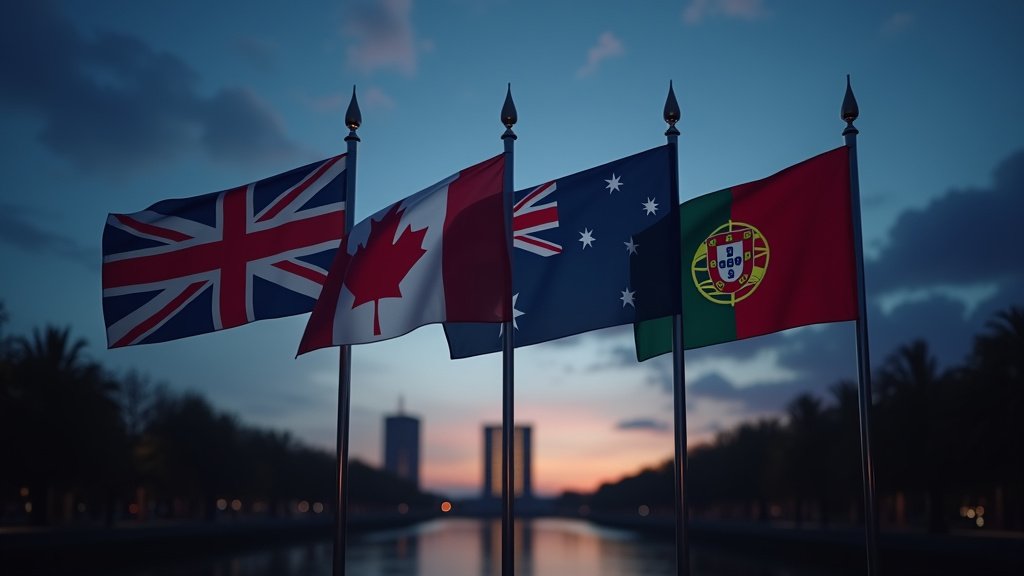
In a significant diplomatic development, Britain, Canada, Australia, and Portugal formally recognized the State of Palestine on Sunday, September 21, 2025. The coordinated announcements, made just ahead of the United Nations General Assembly’s 80th session, signal a pivotal shift in international policy and aim to bolster efforts for a two-state solution to the Israeli-Palestinian conflict.
A Coordinated Diplomatic Push
The declarations from these key Western nations mark a substantial move towards acknowledging Palestinian statehood. British Prime Minister Keir Starmer, in a video statement, declared that the United Kingdom formally recognizes the State of Palestine, stating, “Today, to revive the hope of peace and a two-state solution, I state clearly as the prime minister of this great country that the United Kingdom formally recognises the State of Palestine.” Similarly, Canadian Prime Minister Mark Carney announced his government’s recognition, emphasizing its role in empowering those who seek peaceful coexistence and an end to Hamas. Australia’s Prime Minister Anthony Albanese confirmed his nation’s intent, calling it a “historic shift” and a “lifeline” to the people of Gaza, aligning with coordinated global efforts. Portugal’s Foreign Minister Paulo Rangel echoed these sentiments, announcing the recognition as a step towards a just and lasting peace.
This wave of recognitions puts these countries at odds with the United States and Israel, though it aligns them with the 157 UN member states that already officially recognize Palestine. France, which had announced its intention to recognize Palestine in July 2025, also formally recognized the state, further reinforcing this growing international consensus.
Rationale and International Reactions
The stated rationale behind these recognitions centers on revitalizing the peace process and upholding the principle of a two-state solution. Prime Minister Starmer emphasized that this recognition is “not a reward for Hamas” but rather a commitment to a future where a secure Israel exists alongside a viable Palestinian state. Canada’s recognition, however, was reportedly predicated on commitments from the Palestinian Authority regarding reforms, demilitarization, and the exclusion of Hamas from future governance, with elections tentatively scheduled for 2026.
Unsurprisingly, the move drew sharp criticism from Israeli Prime Minister Benjamin Netanyahu, who declared that recognition “will not happen” and accused the leaders of providing “a huge prize for terrorism.” He asserted that the Palestinians seek a state “instead of Israel,” a sentiment that highlights the deep divisions surrounding the issue.
A Growing Global Momentum
The September 2025 announcements are part of an escalating international trend. In May 2024, Ireland, Norway, and Spain had jointly recognized Palestine, a move that, while significant, was by smaller European nations. The inclusion of G7 nations like the UK and Canada, alongside Australia and Portugal, represents a more substantial shift within the Western bloc. Palestinian Ambassador to the UK, Husam Zomlot, welcomed the UK’s decision as an “inalienable right” and a correction of historical injustices, noting that recognition is a foundational step towards peace.
Implications for Peace and Diplomacy
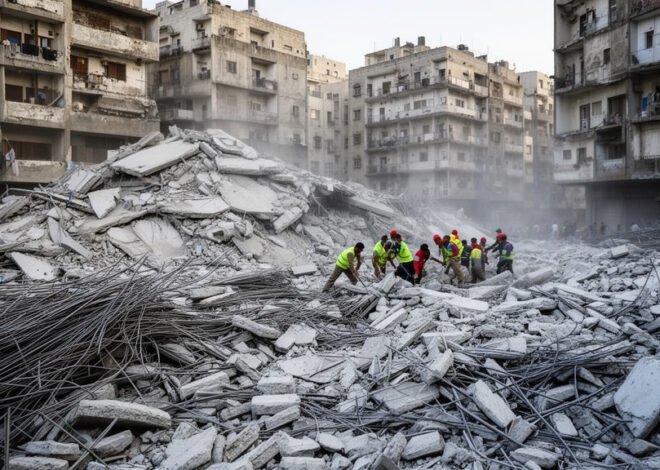
While some critics have labeled these recognitions as mere “symbolism over substance,” proponents argue they are crucial legal and political steps that confer diplomatic status and open avenues for international legal institutions. This recent news is seen by many as an attempt to counter the erosion of the two-state solution, exacerbated by the ongoing conflict in Gaza and expansion of Israeli settlements in the West Bank. The actions are also perceived by some analysts as increasing Israel’s diplomatic isolation on the global stage.
As world leaders convened for the UN General Assembly, the recognition of Palestine by four prominent Western nations represents a significant, albeit complex, development. It underscores a global push for a resolution that acknowledges Palestinian aspirations for statehood while also highlighting the deep-seated challenges that persist in achieving lasting peace in the region. This recent news is a clear indication of a global recalibration of diplomatic priorities, with the hope that such a concerted effort might indeed revive the prospects for a peaceful future.


Related Posts