$41.6M Federal Injection Targets Disaster-Resilient Growth
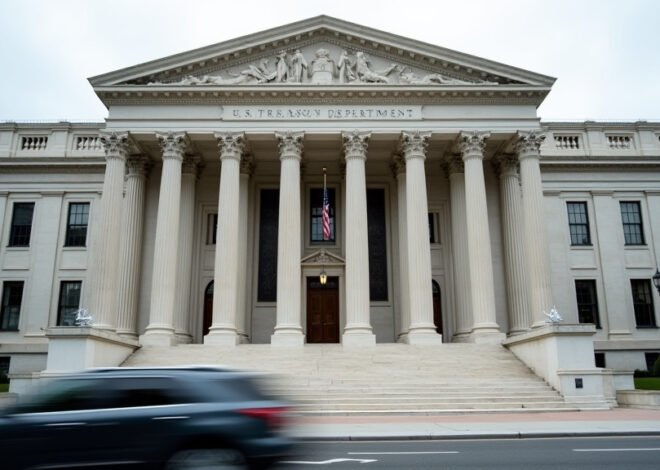
The U.S. Department of Commerce, through its Economic Development Administration (EDA), has officially finalized a $41.6 million investment package designed to shore up regional economic development across five states. This substantial infusion of disaster supplemental funding is earmarked for critical infrastructure improvements that prioritize economic resilience, directly addressing the vulnerabilities exposed by severe weather patterns documented throughout 2023 and 2024. By channeling these resources into localized projects, the EDA aims to transition communities from a cycle of reactive recovery toward a proactive model of sustained economic stability.
Key Highlights
- Total Investment: $41.6 million in disaster supplemental funding distributed to projects across five states.
- Primary Objective: Strengthening critical infrastructure to withstand future severe weather events and minimize economic disruption.
- Focus Areas: Targeted improvements in resilient public works, business continuity, and regional economic competitiveness.
- Strategic Shift: Moving from short-term disaster relief toward long-term economic development and climate-resilient infrastructure planning.
Strengthening the Foundation: The Economics of Resilience
The allocation of $41.6 million in federal funding serves as a vital bridge for communities struggling to maintain economic momentum in the wake of climate-related disruptions. When extreme weather strikes, the immediate damage—such as compromised roadways, disrupted utility grids, and fractured supply chains—often leads to a stagnation of local commerce. This new round of EDA funding is strategically designed to bypass the traditional pitfalls of disaster recovery, where funds are often spent to merely “restore” what existed before, rather than “improving” it for future volatility.
The Multiplier Effect of Targeted Infrastructure
Economists have long argued that federal investments in hard infrastructure—such as water treatment plants, flood-hardened road networks, and energy-efficient logistics hubs—carry a significant multiplier effect. For every dollar invested in resilient infrastructure, local economies stand to save multiple dollars in future mitigation and emergency response costs. By focusing on “resilience,” the U.S. Department of Commerce is essentially subsidizing long-term private sector confidence. When businesses in these five states can operate with the assurance that their primary logistics routes or power grids are protected against the next major storm, capital investment increases, and regional labor markets stabilize.
Prioritizing Economic Development Administration (EDA) Mandates
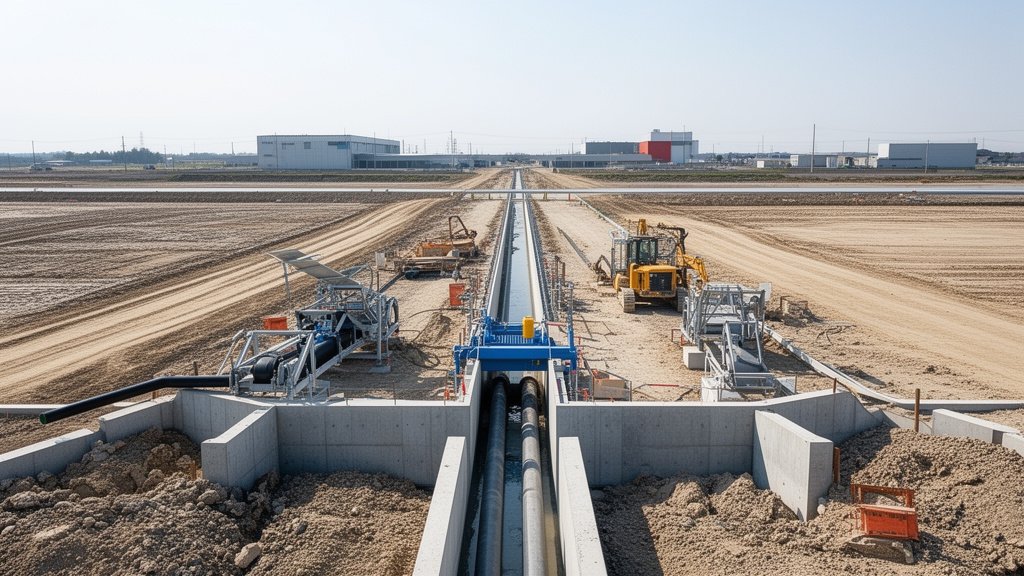
The EDA’s mandate requires that these investments do more than just fix potholes; they must catalyze economic growth. Consequently, the funded projects are selected based on their potential to act as “economic anchors.” These are projects that enable new business park development, facilitate safer transport of goods, or provide the essential utilities required for new industrial facilities. This approach ensures that the federal spending functions not merely as a safety net, but as a scaffold upon which local governments can build more durable, future-ready economies. The alignment of these projects with local Comprehensive Economic Development Strategies (CEDS) is a critical component of ensuring that the $41.6 million investment meets specific regional needs rather than imposing a top-down, one-size-fits-all solution.
From Reactive Recovery to Strategic Adaptation
A secondary angle of this investment is the shift in how federal agencies view the intersection of disaster response and climate adaptation. Historically, disaster supplemental funding was often viewed as a stopgap measure—a financial band-aid for broken systems. However, with the rising frequency of severe weather events in 2023 and 2024, the strategy has evolved. This new influx of capital signals a departure from purely reactive measures.
Incorporating Climate-Smart Engineering
The funded initiatives are expected to integrate modern, climate-smart engineering standards. This includes the implementation of permeable pavement, modernized flood retention systems, and digitized utility grids that can autonomously reroute power during surges. By demanding these standards, the U.S. Department of Commerce is inadvertently setting a new baseline for local infrastructure projects. The ripple effect of this requirement means that future locally funded projects in these regions will likely adopt similar standards, creating a compounding benefit that extends far beyond the life of the $41.6 million grant.
Addressing Supply Chain Vulnerabilities
One of the most overlooked aspects of disaster recovery is the impact on supply chains. A single bridge collapse or substation failure can halt the transport of goods across an entire region, causing inflationary pressure and productivity losses. By prioritizing infrastructure that serves as a vital artery for regional trade, the EDA is effectively insulating these five states against the localized “black swan” events that often disrupt national supply chains. This ensures that even when severe weather hits, the baseline of economic productivity remains intact, reducing the shock to the national economy.
Future Outlook: Sustaining Momentum
As these projects break ground, the long-term monitoring of their success will provide a roadmap for future disaster funding allocations. The success of this investment will not be measured by the speed of completion, but by the economic resilience exhibited during the next severe weather event. If these infrastructure improvements can successfully mitigate the damage of future storms, it provides empirical evidence that the shift toward proactive, resilience-focused spending is a superior fiscal strategy for the federal government.
Looking ahead, stakeholders in these five states must leverage these initial investments to attract private sector partners who are increasingly looking for locations that offer low environmental risk and high infrastructure reliability. The $41.6 million is effectively a down payment on a more secure and competitive regional economic future.
FAQ: People Also Ask
Q: What is the primary role of the Economic Development Administration (EDA) in this funding?
A: The EDA leads the federal economic development agenda by promoting innovation and competitiveness, preparing American regions for growth and success in the worldwide economy. In this context, they are managing the investment to ensure it stabilizes local economies and creates sustainable infrastructure.
Q: How were the five states selected for this funding?
A: While specific project selection criteria vary, the EDA typically selects locations that have faced significant economic hardship due to federally declared natural disasters, ensuring that the funding supports communities with the most acute need for economic recovery.
Q: Does this funding cover residential housing repair?
A: No. The EDA’s mission is focused on economic development. This funding is strictly for public infrastructure, business continuity, and economic resilience projects, rather than individual household or private residential repairs, which are typically handled by agencies like FEMA.
Q: How does this funding impact local businesses?
A: By improving core infrastructure such as roads, broadband access, and utility reliability, this investment creates a more stable operating environment, which reduces risk for local businesses and helps attract new industrial growth to the area.


Related Posts